The Role of Remembrance: Celebrating Our Deliverance
“And Mordecai wrote these things, and sent letters unto all the Jews that were in all the provinces of the king Ahasuerus, both nigh and far,” — Esther 9:20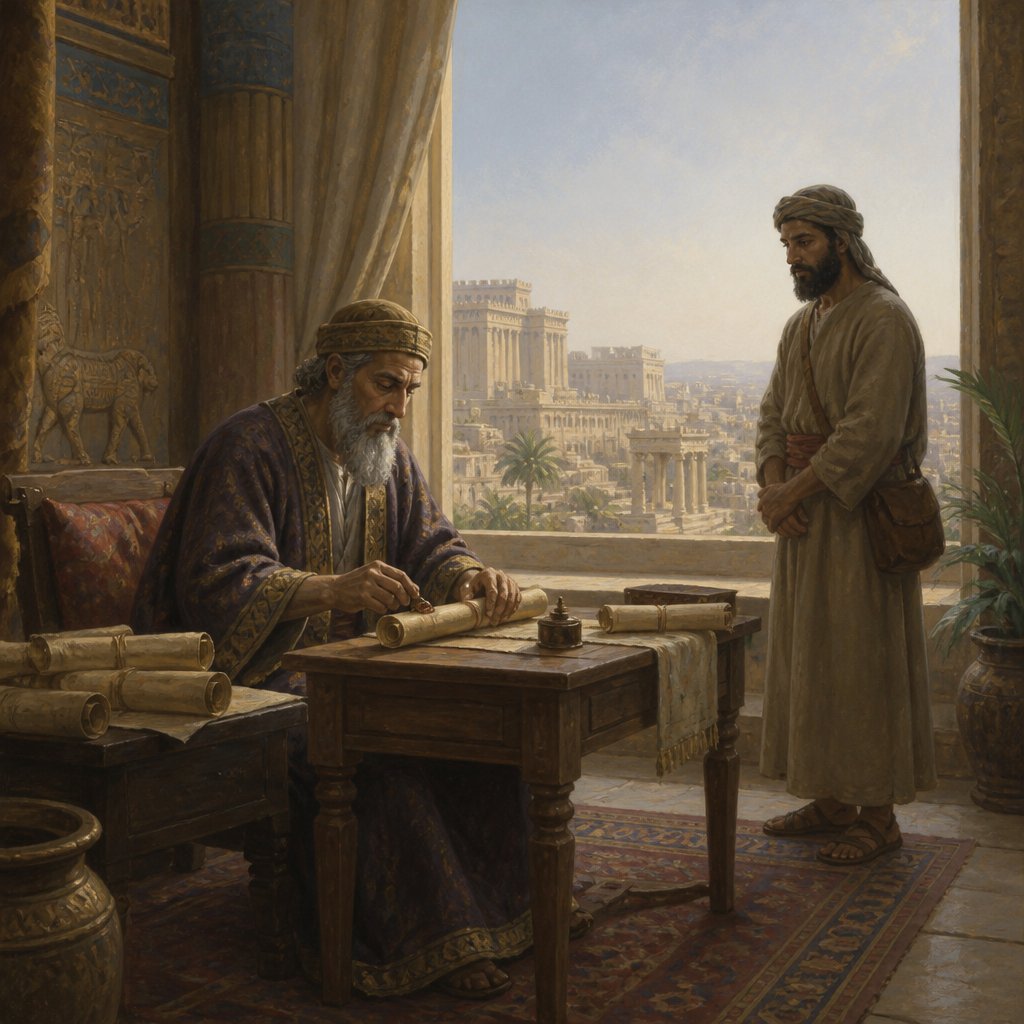
Esther 9:20 (KJV) - "And Mordecai wrote these things, and sent letters unto all the Jews that were in all the provinces of the king Ahasuerus, both nigh and far.
In the book of Esther, we witness a grand narrative of providence, courage, and ultimately, the triumph of good over evil. The specific moment captured in Esther 9:20 is a significant turning point; it is both an act of remembrance and proclamation. Mordecai, having been elevated in honor and status after the defeat of Haman, takes a pivotal step to ensure that the Jewish people remember their deliverance from impending doom.
In this verse, the act of writing letters may seem simple at first glance, yet it reveals a profound truth about communal memory and the importance of acknowledging what God has done in our lives. Just as Mordecai reached out to the Jews in all the provinces of Ahasuerus, we too have the calling to share the stories of God’s faithfulness and deliverance with those around us. Remembrance is a powerful tool; it strengthens our faith and solidifies our identity as God’s people.
Mordecai’s letters were not merely announcements; they were calls to the Jewish community to remember the gravity of their situation and the greatness of their God. The urgency in Mordecai's communication is evident. He sent letters “both nigh and far,” symbolizing that the message of hope and redemption is for all, regardless of distance or circumstance.
In our lives, it is vital to convey stories of God’s goodness and mercy, especially as we face trials. Each letter Mordecai sent could be likened to a testimony. A testimony carries the weight of personal experiences and invites others to see how God's hand has moved. When we share our stories, we invite others into our journeys and encourage them to reflect upon their own lives, recognizing the threads of divine intervention and miraculous growth.
Furthermore, in the context of a season of celebrations, we see in Esther 9 that the Jewish people were instructed to observe days of feasting and joy as a direct response to their deliverance. This act of celebration underscores the joy that comes from reflecting on what God has done. They were not to forget their past pain and suffering, but they were encouraged to remember it through the lens of God's redemptive power. Mordecai understood that they must look back on their deliverance to cultivate gratitude and foster a spirit of joy among the people.
In our own lives, what are the milestones we need to remember? What has been written in the pages of our lives that prompts us to share a testimony? Just as Mordecai's letters united the Jews in remembrance and celebration, we can create pathways of communication among ourselves to remind one another of the victories we've experienced through Christ. Group gatherings, worship nights, and personal conversations can become fertile ground for sharing and reflecting on testimonies of deliverance, healing, provision, and protection.
As you reflect on Esther 9:20, consider writing your own letters of remembrance. It may be a note to a friend, a letter to God, or even a personal journal entry. Whatever format it may take, engage actively in the practice of reflection. Don’t let the victories God has achieved in your life fade into the background of everyday chaos. Instead, hold onto them, celebrate them, and share them. The act of remembrance is not just for ourselves; it is also a way to embolden the faith of others.
In conclusion, as believers, let us learn from Mordecai’s commitment to remembrance and celebration. Let’s actively ensure that our history of deliverance becomes part of our narrative and the narratives of those around us. Write letters, share stories, and gather in joy, proclaiming God’s faithfulness in our lives much like Mordecai did for the Jewish people. Remember, as we celebrate the goodness of God, we not only honor Him but also inspire faith in each other.
Get our apps


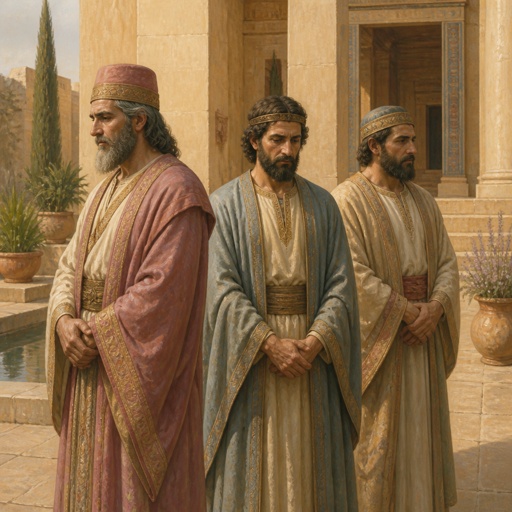
Artwork for Esther 9:20

Esther 9:20 - "¶ And Mordecai wrote these things, and sent letters unto all the Jews that were in all the provinces of the king Ahasuerus, both nigh and far,"
"¶ And Mordecai wrote these things, and sent letters unto all the Jews that were in all the provinces of the king Ahasuerus, both nigh and far," - Esther 9:20

Esther 4:9 - "And Hatach came and told Esther the words of Mordecai."

Esther 9:32 - "And the decree of Esther confirmed these matters of Purim; and it was written in the book."

Esther 9:9 - "And Parmashta, and Arisai, and Aridai, and Vajezatha,"

Esther 2:20 - "Esther had not yet shewed her kindred nor her people; as Mordecai had charged her: for Esther did the commandment of Mordecai, like as when she was brought up with him."

Esther 9:29 - "Then Esther the queen, the daughter of Abihail, and Mordecai the Jew, wrote with all authority, to confirm this second letter of Purim."

"And Hatach came and told Esther the words of Mordecai." - Esther 4:9

Esther 9:8 - "And Poratha, and Adalia, and Aridatha,"

Esther 9:7 - "And Parshandatha, and Dalphon, and Aspatha,"

"And the decree of Esther confirmed these matters of Purim; and it was written in the book." - Esther 9:32
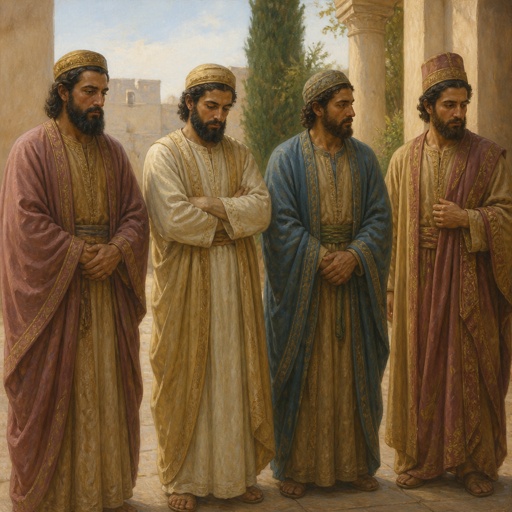
"And Parmashta, and Arisai, and Aridai, and Vajezatha," - Esther 9:9

Esther 9:31 - "To confirm these days of Purim in their times appointed, according as Mordecai the Jew and Esther the queen had enjoined them, and as they had decreed for themselves and for their seed, the matters of the fastings and their cry."

Esther 9:13 - "Then said Esther, If it please the king, let it be granted to the Jews which are in Shushan to do to morrow also according unto this day's decree, and let Haman's ten sons be hanged upon the gallows."
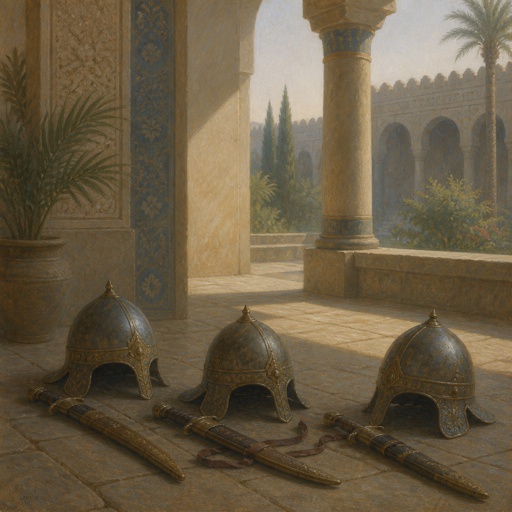
"And Parshandatha, and Dalphon, and Aspatha," - Esther 9:7
"And Poratha, and Adalia, and Aridatha," - Esther 9:8

Esther 9:6 - "And in Shushan the palace the Jews slew and destroyed five hundred men."

Esther 9:25 - "But when Esther came before the king, he commanded by letters that his wicked device, which he devised against the Jews, should return upon his own head, and that he and his sons should be hanged on the gallows."

Esther 9:10 - "The ten sons of Haman the son of Hammedatha, the enemy of the Jews, slew they; but on the spoil laid they not their hand."

Esther 9:11 - "On that day the number of those that were slain in Shushan the palace was brought before the king."

Esther 9:23 - "And the Jews undertook to do as they had begun, and as Mordecai had written unto them;"

"Then Esther the queen, the daughter of Abihail, and Mordecai the Jew, wrote with all authority, to confirm this second letter of Purim." - Esther 9:29

Esther 9:17 - "On the thirteenth day of the month Adar; and on the fourteenth day of the same rested they, and made it a day of feasting and gladness."

Esther 1:9 - "Also Vashti the queen made a feast for the women in the royal house which belonged to king Ahasuerus."

Esther 9:14 - "And the king commanded it so to be done: and the decree was given at Shushan; and they hanged Haman's ten sons."

"Esther had not yet shewed her kindred nor her people; as Mordecai had charged her: for Esther did the commandment of Mordecai, like as when she was brought up with him." - Esther 2:20

Esther 9:21 - "To stablish this among them, that they should keep the fourteenth day of the month Adar, and the fifteenth day of the same, yearly,"

Esther 9:3 - "And all the rulers of the provinces, and the lieutenants, and the deputies, and officers of the king, helped the Jews; because the fear of Mordecai fell upon them."

Esther 9:30 - "And he sent the letters unto all the Jews, to the hundred twenty and seven provinces of the kingdom of Ahasuerus, with words of peace and truth,"

Esther 9:12 - "¶ And the king said unto Esther the queen, The Jews have slain and destroyed five hundred men in Shushan the palace, and the ten sons of Haman; what have they done in the rest of the king's provinces? now what is thy petition? and it shall be granted thee: or what is thy request further? and it shall be done."