What does Esther 9:20 mean?
“And Mordecai wrote these things, and sent letters unto all the Jews that were in all the provinces of the king Ahasuerus, both nigh and far,” — Esther 9:20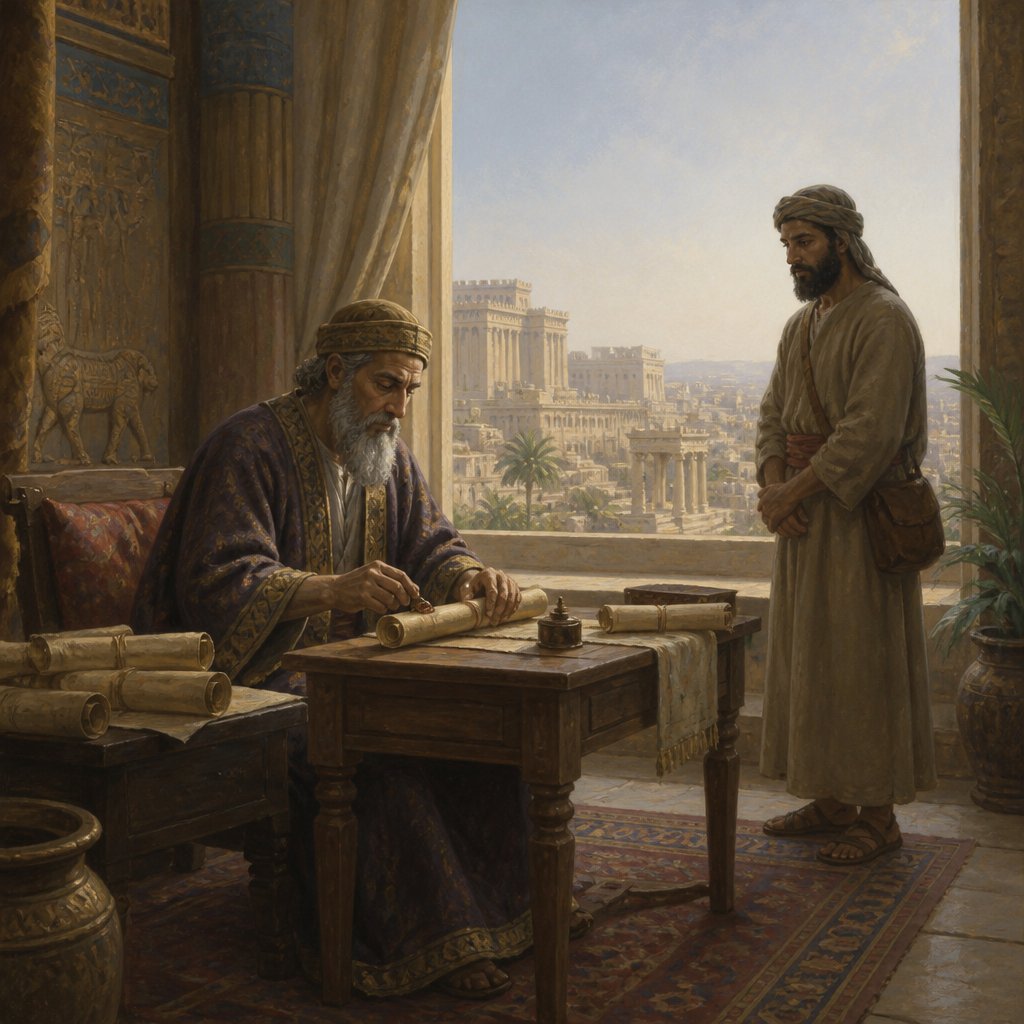
The book of Esther is a well-known story in the Old Testament, recounting the dramatic events that took place in the Persian Empire during the reign of King Xerxes I. The verse Esther 9:20 from the King James Version (KJV) reads: "And Mordecai wrote these things, and sent letters unto all the Jews that were in all the provinces of the king Ahasuerus, both nigh and far."
To fully understand the profundity of this verse, it is important to first provide some context. The story of Esther is one of bravery, heroism, and divine providence. It centers around the Jewish girl Esther, who becomes the queen of Persia and must ultimately risk her life to save her people from a genocidal plot orchestrated by the king's advisor, Haman. Mordecai, Esther's cousin and guardian, plays a significant role in the narrative as he provides support and guidance to Esther throughout the perilous events.
In Esther 9:20, Mordecai is shown taking decisive action to commemorate the miraculous deliverance of the Jewish people from the hands of their enemies. He writes letters to all the Jews in the Persian Empire, informing them of the establishment of the festival of Purim to celebrate their salvation. This verse encapsulates an important theme woven throughout the book of Esther - the preservation of a people and the triumph of good over evil.
One of the key themes of Esther 9:20 is the solidarity and unity of the Jewish people. Mordecai's initiative to send letters to all the Jews, "both nigh and far," underscores the importance of collective remembrance and shared celebration. This gesture demonstrates a sense of community and kinship among the Jewish diaspora, emphasizing the strength found in standing together in times of adversity.
Furthermore, Esther 9:20 also conveys the concept of remembrance and the preservation of historical events. Mordecai's act of writing and sending letters serves as a means to ensure that the deliverance of the Jews from their enemies is not forgotten. The establishment of the festival of Purim, which is commemorated to this day, signifies the importance of acknowledging and honoring the past, recognizing how divine intervention and human agency intersect in shaping the course of history.
Symbolism permeates Esther 9:20, as the letters sent by Mordecai symbolize the power of communication and the dissemination of important information. The written word carries weight and significance, serving as a means to unify a scattered people and to reinforce their shared identity. Additionally, the act of sending letters represents a form of documentation and archival, signifying the value of recording and preserving significant events for posterity.
The context of Esther 9:20 is rooted in the broader narrative of the book of Esther, which highlights the complex interplay between human agency and divine intervention. Mordecai's actions exemplify the proactive role individuals can play in shaping their own destiny, as he takes deliberate steps to ensure that the salvation of the Jewish people is remembered and celebrated.
In conclusion, Esther 9:20 captures the essence of the book of Esther, encapsulating themes of unity, remembrance, and the triumph of good over evil. Mordecai's actions underscore the significance of communal solidarity, historical preservation, and the power of individual agency. The verse serves as a poignant reminder of the enduring relevance of the biblical narrative, offering timeless lessons about resilience, courage, and the providential care of a faithful God.
Get our apps


Artwork for Esther 9:20

Esther 9:20 - "¶ And Mordecai wrote these things, and sent letters unto all the Jews that were in all the provinces of the king Ahasuerus, both nigh and far,"
"¶ And Mordecai wrote these things, and sent letters unto all the Jews that were in all the provinces of the king Ahasuerus, both nigh and far," - Esther 9:20

Esther 4:9 - "And Hatach came and told Esther the words of Mordecai."

Esther 9:32 - "And the decree of Esther confirmed these matters of Purim; and it was written in the book."

Esther 9:9 - "And Parmashta, and Arisai, and Aridai, and Vajezatha,"

Esther 2:20 - "Esther had not yet shewed her kindred nor her people; as Mordecai had charged her: for Esther did the commandment of Mordecai, like as when she was brought up with him."

Esther 9:29 - "Then Esther the queen, the daughter of Abihail, and Mordecai the Jew, wrote with all authority, to confirm this second letter of Purim."

"And Hatach came and told Esther the words of Mordecai." - Esther 4:9

Esther 9:8 - "And Poratha, and Adalia, and Aridatha,"

Esther 9:7 - "And Parshandatha, and Dalphon, and Aspatha,"

"And the decree of Esther confirmed these matters of Purim; and it was written in the book." - Esther 9:32
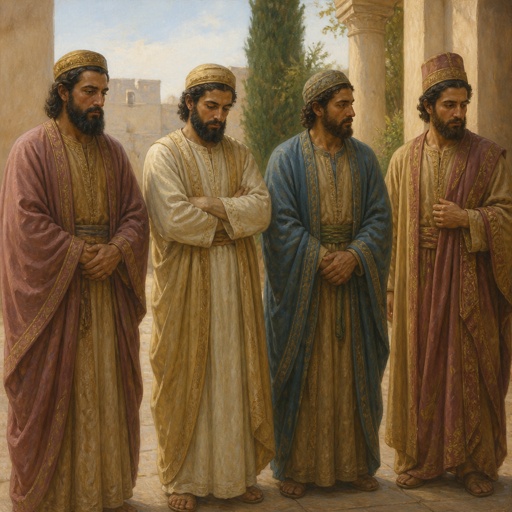
"And Parmashta, and Arisai, and Aridai, and Vajezatha," - Esther 9:9

Esther 9:31 - "To confirm these days of Purim in their times appointed, according as Mordecai the Jew and Esther the queen had enjoined them, and as they had decreed for themselves and for their seed, the matters of the fastings and their cry."

Esther 9:13 - "Then said Esther, If it please the king, let it be granted to the Jews which are in Shushan to do to morrow also according unto this day's decree, and let Haman's ten sons be hanged upon the gallows."
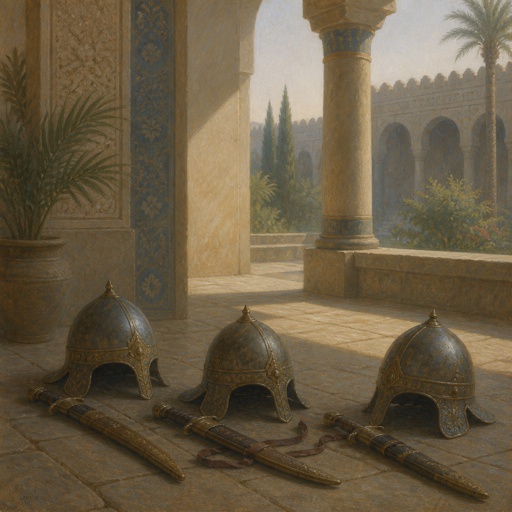
"And Parshandatha, and Dalphon, and Aspatha," - Esther 9:7
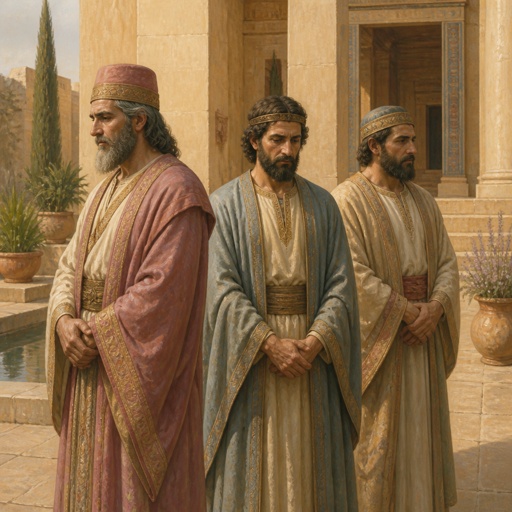
"And Poratha, and Adalia, and Aridatha," - Esther 9:8

Esther 9:6 - "And in Shushan the palace the Jews slew and destroyed five hundred men."

Esther 9:25 - "But when Esther came before the king, he commanded by letters that his wicked device, which he devised against the Jews, should return upon his own head, and that he and his sons should be hanged on the gallows."

Esther 9:10 - "The ten sons of Haman the son of Hammedatha, the enemy of the Jews, slew they; but on the spoil laid they not their hand."

Esther 9:11 - "On that day the number of those that were slain in Shushan the palace was brought before the king."

Esther 9:23 - "And the Jews undertook to do as they had begun, and as Mordecai had written unto them;"
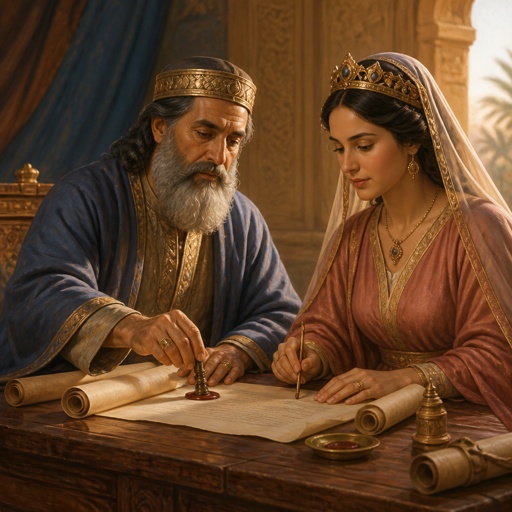
"Then Esther the queen, the daughter of Abihail, and Mordecai the Jew, wrote with all authority, to confirm this second letter of Purim." - Esther 9:29

Esther 9:17 - "On the thirteenth day of the month Adar; and on the fourteenth day of the same rested they, and made it a day of feasting and gladness."

Esther 1:9 - "Also Vashti the queen made a feast for the women in the royal house which belonged to king Ahasuerus."

Esther 9:14 - "And the king commanded it so to be done: and the decree was given at Shushan; and they hanged Haman's ten sons."
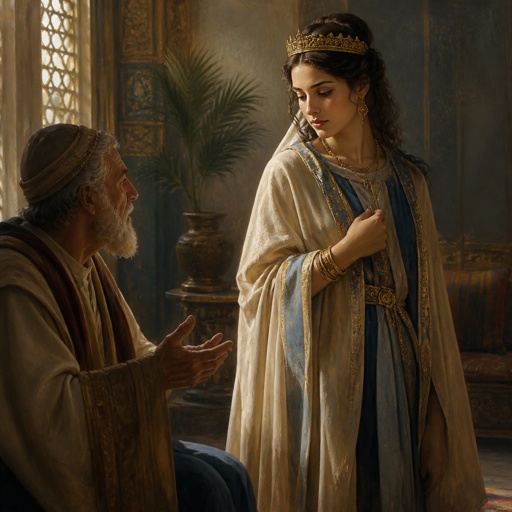
"Esther had not yet shewed her kindred nor her people; as Mordecai had charged her: for Esther did the commandment of Mordecai, like as when she was brought up with him." - Esther 2:20

Esther 9:21 - "To stablish this among them, that they should keep the fourteenth day of the month Adar, and the fifteenth day of the same, yearly,"

Esther 9:3 - "And all the rulers of the provinces, and the lieutenants, and the deputies, and officers of the king, helped the Jews; because the fear of Mordecai fell upon them."

Esther 9:30 - "And he sent the letters unto all the Jews, to the hundred twenty and seven provinces of the kingdom of Ahasuerus, with words of peace and truth,"

Esther 9:12 - "¶ And the king said unto Esther the queen, The Jews have slain and destroyed five hundred men in Shushan the palace, and the ten sons of Haman; what have they done in the rest of the king's provinces? now what is thy petition? and it shall be granted thee: or what is thy request further? and it shall be done."