The Fear of God: A Pathway to Divine Favor
“And it came to pass, because the midwives feared God, that he made them houses.” — Exodus 1:21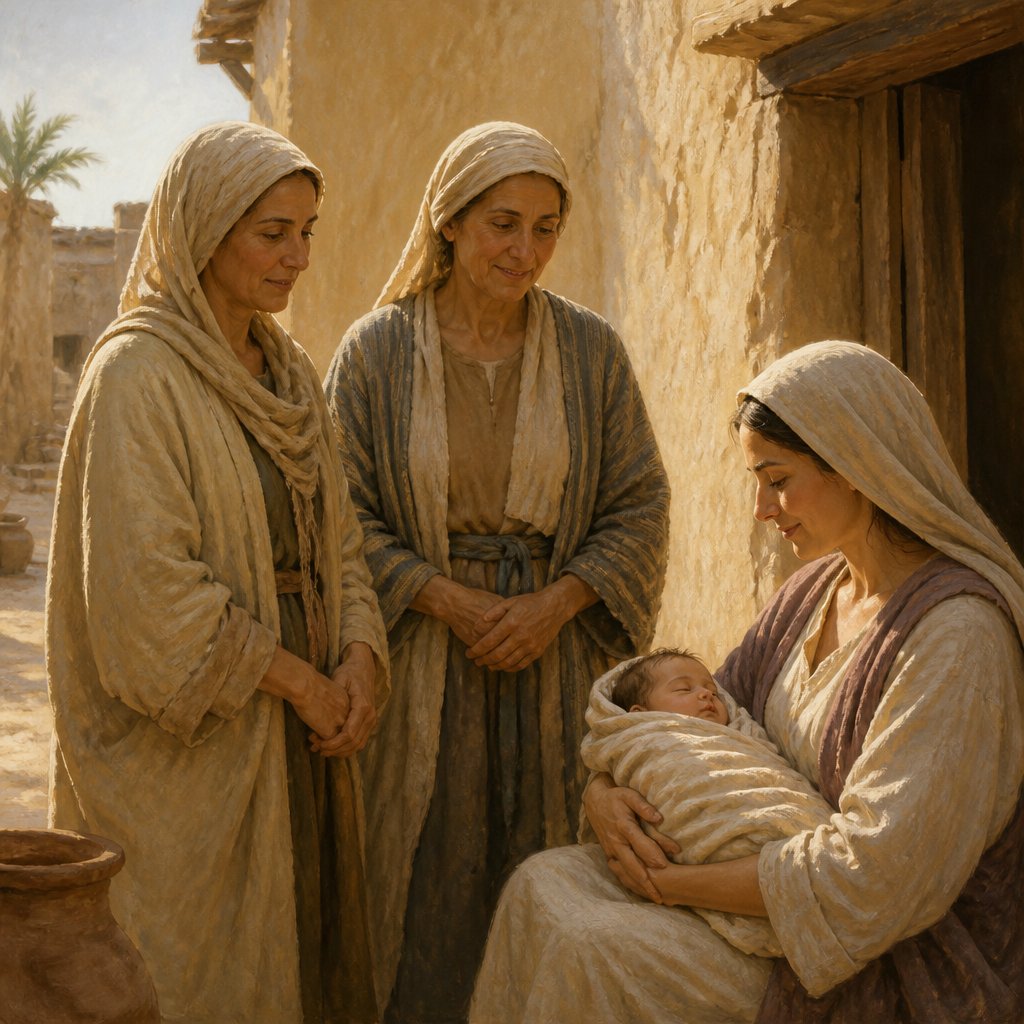
In the rich tapestry of the Biblical narrative, few stories stand out as profoundly as that of the Hebrew midwives in Exodus 1:21. The scripture states, "And it came to pass, because the midwives feared God, that he made them houses." (Exodus 1:21, KJV). This short verse encapsulates a dramatic moment that is steeped in faith, courage, and the providence of God. It invites us into a deeper understanding of what it truly means to honor God and live in reverence of His sovereign will.
Amidst the backdrop of oppression, where the Pharaoh of Egypt sought to stifle the growth of the Israelite population, the midwives, Shiphrah and Puah, found themselves at a crossroads. They faced the grim command of Pharaoh to kill every male Hebrew child at birth. The weight of this edict was heavy; it was not merely a call to obedience, but a direct assault on their conscience and faith.
In their response to this decree, insight significantly dwells within the phrase, "feared God." Fear here is multifaceted—it is a profound reverence that underlies their sense of moral responsibility. Shiphrah and Puah understood that their fear of God stood in stark contrast to their fear of Pharaoh. They displayed moral fortitude at the risk of their lives, choosing to obey God’s command over that of an earthly ruler.
To fear God is to recognize His ultimate authority over all creation. It is to hold in esteem His holiness, justice, and power. This righteous fear empowered the midwives to act courageously. They understood that while Pharaoh ruled over Egypt, God ruled over their hearts. When faced with the dire consequences of their civil disobedience, they chose the path that honored God, demonstrating extraordinary faith amid insurmountable pressure.
As a result of their courageous stand, the scripture notes, "that he made them houses." This declaration carries profound implications. The term "houses" can be interpreted literally, suggesting that God blessed them with families, perhaps children of their own in an era where such blessings were precious and often withheld. More poignantly, it embodies the protective presence of God in their lives, a divine establishment of security and legacy as a result of their faith and actions.
This notion invites reflection for us today. In a world where we are constantly pressed to conform to societal pressures and secular ideologies, do we demonstrate a reverent fear of God? Are we willing to stand firm when God's principles clash with the standards of our culture? The midwives’ actions challenge us not just to believe, but to embody our beliefs through our choices.
Consider how often we are faced with moral dilemmas in our daily lives—choices at work, in relationships, or within our community. The story of the midwives reminds us that God’s views should dictate our actions. When we fear God and choose to honor Him, we open the door for His favor in our lives, just as He did by making "houses" for these brave women.
Through their unwavering fear of God, the midwives became instruments of His righteousness, embedding themselves into the narrative of salvation that culminated with the liberation of the Israelites from slavery. By choosing to stand firm, they ensured the continuation of God’s covenant people. Their legacies serve as powerful reminders that when we align our lives with reverence for God, we become partakers in His divine plan.
As we meditate on Exodus 1:21, let us consider our response to fear. May we seek to fear God above all else, trusting that He is our protector and favor as we walk in obedience to His will. Let us earnestly desire to hear His affirmation—that He will make us houses, secure us in His embrace, and use us as vessels of His love and righteousness in a world that desperately needs it.
Get our apps


Artwork for Exodus 1:21

Exodus 1:21 - "And it came to pass, because the midwives feared God, that he made them houses."
"And it came to pass, because the midwives feared God, that he made them houses." - Exodus 1:21

Exodus 27:19-21

Exodus 21:1 - "Now these are the judgments which thou shalt set before them."
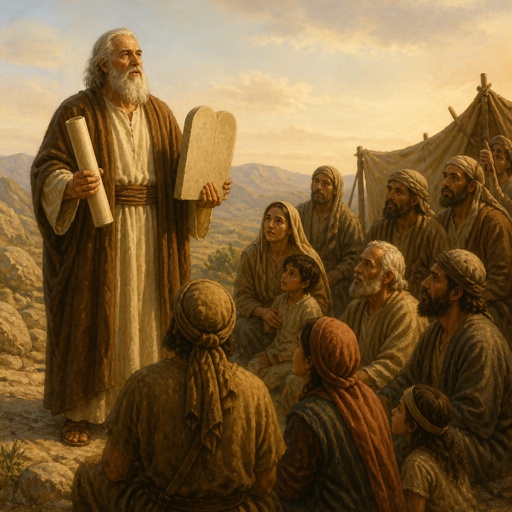
"Now these are the judgments which thou shalt set before them." - Exodus 21:1

Exodus 14: 21

Exodus 14: 21

Exodus 15:21

Exodus 21:21 - "Notwithstanding, if he continue a day or two, he shall not be punished: for he is his money."
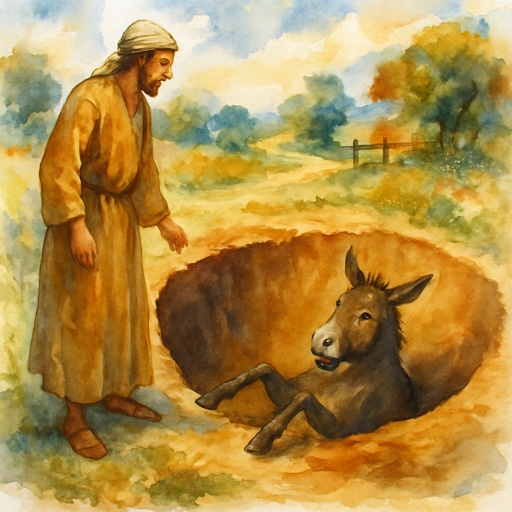
Exodus 21:33 And if a man shall open a pit, or if a man shall dig a pit, and not cover it, and an ox or an ass fall therein;

Exodus 6:21 - "¶ And the sons of Izhar; Korah, and Nepheg, and Zichri."

Exodus 21:25 - "Burning for burning, wound for wound, stripe for stripe."

The Plague of Darkness - Exodus 10:21-29

The Plague of Darkness - Exodus 10:21-29

The Plague of Darkness - Exodus 10:21-29

The Plague of Darkness - Exodus 10:21-29

The Plague of Darkness - Exodus 10:21-29

The Plague of Darkness - Exodus 10:21-29

The Plague of Darkness - Exodus 10:21-29

Exodus 21:24 - "Eye for eye, tooth for tooth, hand for hand, foot for foot,"

The Plague of Darkness - Exodus 10:21-29

The Plague of Darkness - Exodus 10:21-29

The Plague of Darkness - Exodus 10:21-29

Exodus 21:23 - "And if any mischief follow, then thou shalt give life for life,"

Exodus 36:21 - "The length of a board was ten cubits, and the breadth of a board one cubit and a half."
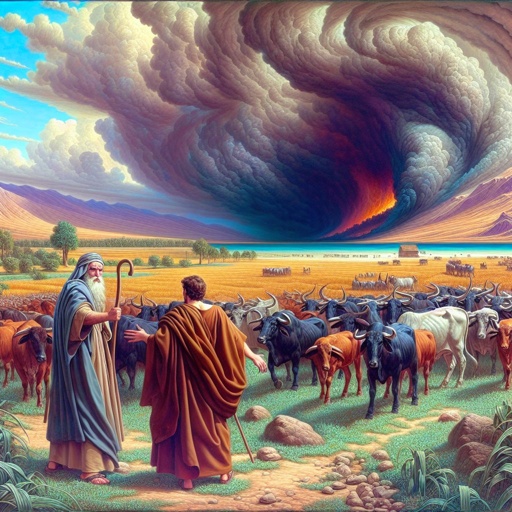
Exodus 9:21 - "And he that regarded not the word of the LORD left his servants and his cattle in the field."

Exodus 2:21 - "And Moses was content to dwell with the man: and he gave Moses Zipporah his daughter."

Exodus 21:17 - "¶ And he that curseth his father, or his mother, shall surely be put to death."

Exodus 21:15 - "¶ And he that smiteth his father, or his mother, shall be surely put to death."

Exodus 33:21 - "And the LORD said, Behold, there is a place by me, and thou shalt stand upon a rock:"