The Power of Obedience: Lessons from Exodus 10:13
“And Moses stretched forth his rod over the land of Egypt, and the LORD brought an east wind upon the land all that day, and all that night; and when it was morning, the east wind brought the locusts.” — Exodus 10:13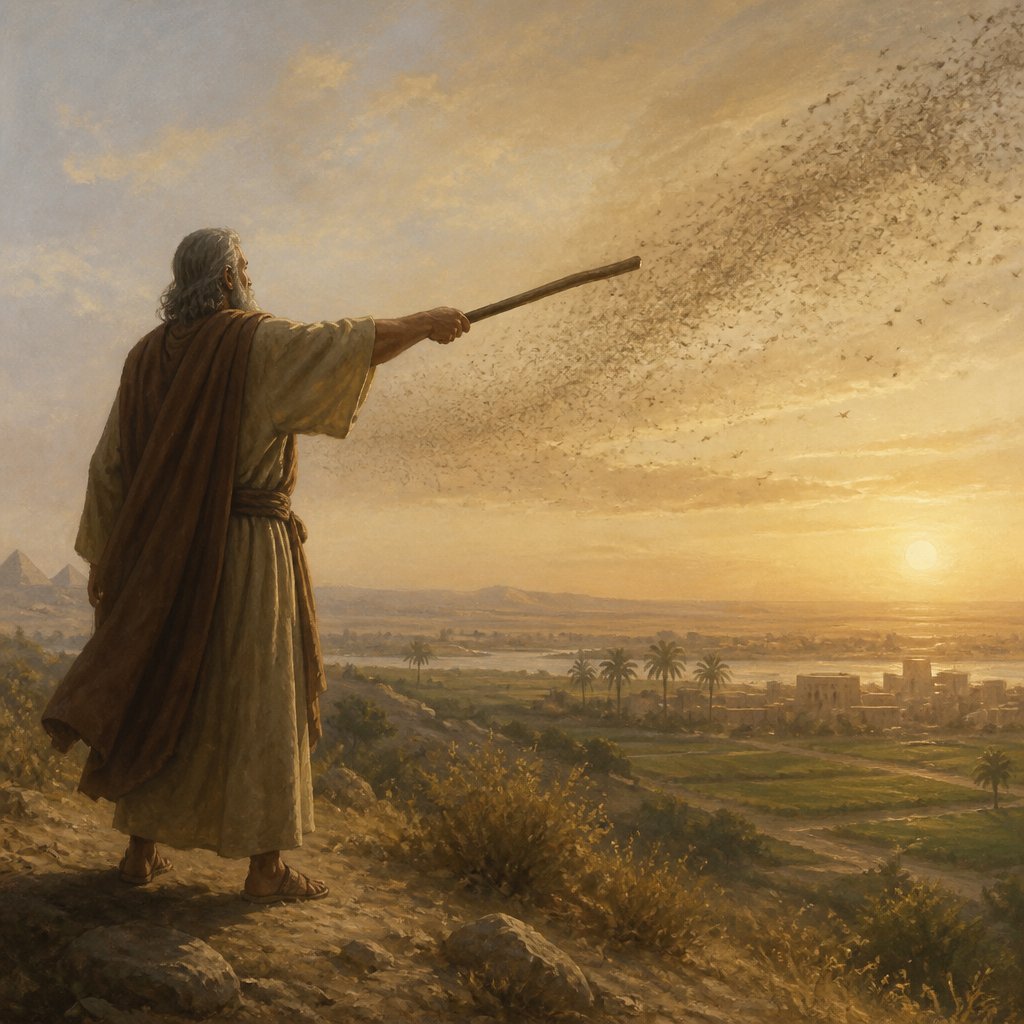
The story of Exodus is one of profound significance in the history of salvation, filled with lessons that resonate through the ages. In Exodus 10:13, we find a striking image of divine power and human obedience: "And Moses stretched forth his rod over the land of Egypt, and the LORD brought an east wind upon the land all that day, and all that night; and when it was morning, the east wind brought the locusts." This verse encapsulates not only the immediate judgment upon Egypt but also the deeper truths about the nature of our relationship with God.
To understand this verse fully, we must first delve into the context. Moses, chosen by God to lead the Israelites out of bondage, faced formidable obstacles. The ten plagues of Egypt served as both judgment against Pharaoh’s stubbornness and a demonstration of God’s supreme authority. The plague of locusts, brought forth by an obedient act of Moses, was the eighth plague, a powerful reminder of the consequences of disobedience to God’s command. In this moment, Moses' action—stretching forth his rod—was not merely a signal; it was an act of worship and submission to God's will.
Moses' rod symbolizes God's authority being enacted through human agency. The stretching of the rod over Egypt signified an act of faith, one that required courage in the face of opposition. No doubt, the Israelites were watching - their hope for liberation hinging on Moses' actions. There are moments in our lives when we too are called to exercise our faith and stretch forth what God has placed in our hands. Perhaps it is an act of service, a gesture of kindness, or even a step of courage in a daunting situation. Moses teaches us that obedience may lead to overwhelming challenges, but it is also the pathway for God's miraculous intervention.
The east wind, described in this passage, carried the locusts that would devastate the land of Egypt. It came not just as a natural event but as a sign of God's wrath upon an unrepentant Pharaoh who repeatedly hardened his heart against the pleas of Moses. The locusts consumed what little remained after the previous plagues, illustrating how disobedience to God leads to destruction—not just spiritually, but also materially.
In our lives, we too experience the "east winds" that bring challenges and trials. Often we face seasons where it feels as if locusts are devouring our joy, peace, or purpose. When we experience such desolation, we must ask ourselves whether we have wandered from the path of obedience. Are there areas where God’s commandments have been compromised in our lives? Just like Pharaoh, we must be cautious not to harden our hearts.
Furthermore, Moses’ role reminds us that we are called to uphold the rod of authority in our spiritual lives. Every day we are tasked to represent God’s Kingdom and to speak forth God’s word in a world that is captivated by confusion and chaos. Are we effectively wielding the spiritual authority we have been given? Are we praying and acting in faith, trusting that God will move mightily in response?
As we meditate on Exodus 10:13, let us be motivated by the understanding that our obedience, like that of Moses, can lead to powerful outcomes. When we stretch forth our hand in faith, God’s winds can bring transformation, restoration, and breakthrough. Just as He delivered the Israelites from oppression, He is fully able to bring us through the trials we face today.
In conclusion, let us commit to obeying the voice of the Lord and to acting decisively, no matter how daunting the task may appear. May we trust in His sovereignty, recognizing that when we yield to Him, we align ourselves with the unfolding of His redemptive plan.
Get our apps


Artwork for Exodus 10:13
Exodus 10:13 - "And Moses stretched forth his rod over the land of Egypt, and the LORD brought an east wind upon the land all that day, and all that night; and when it was morning, the east wind brought the locusts."
"And Moses stretched forth his rod over the land of Egypt, and the LORD brought an east wind upon the land all that day, and all that night; and when it was morning, the east wind brought the locusts." - Exodus 10:13

Exodus 13:10 - "Thou shalt therefore keep this ordinance in his season from year to year."
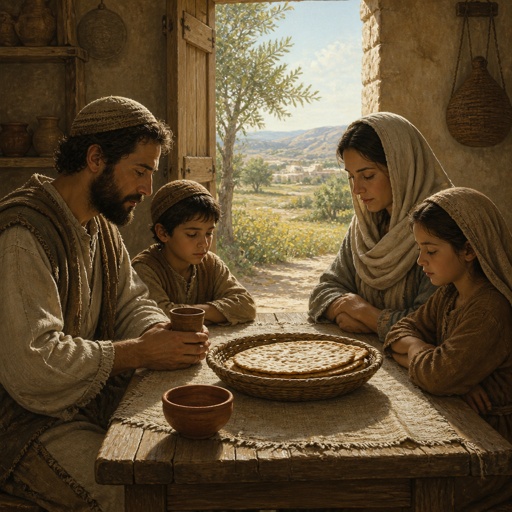
"Thou shalt therefore keep this ordinance in his season from year to year." - Exodus 13:10

Exodus 14:13

Exodus 14:13

Exodus 14:13

Exodus 14:13

Exodus 14:13

Exodus 14:13

Exodus 14:13
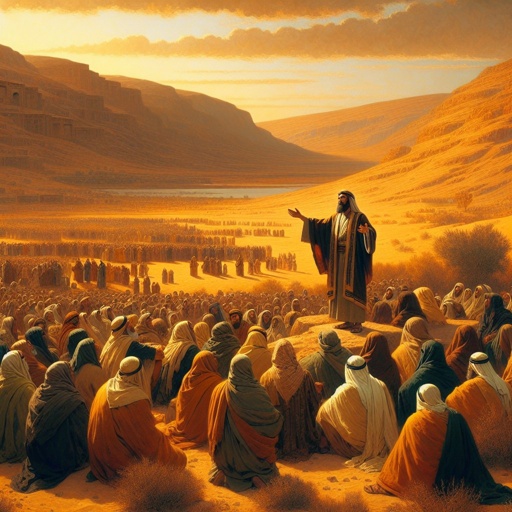
Exodus 14:13

Exodus 14:13

Exodus 14:13
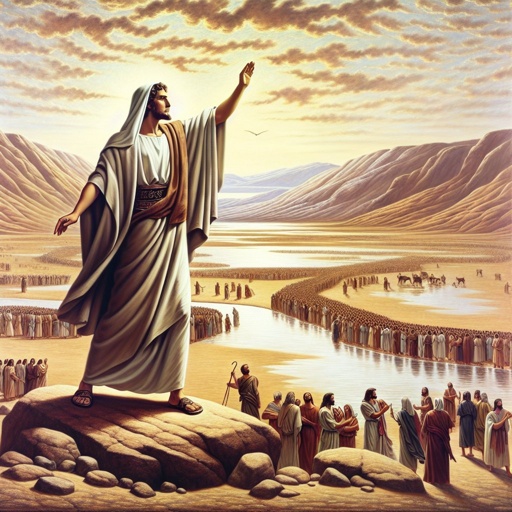
Exodus 14:13
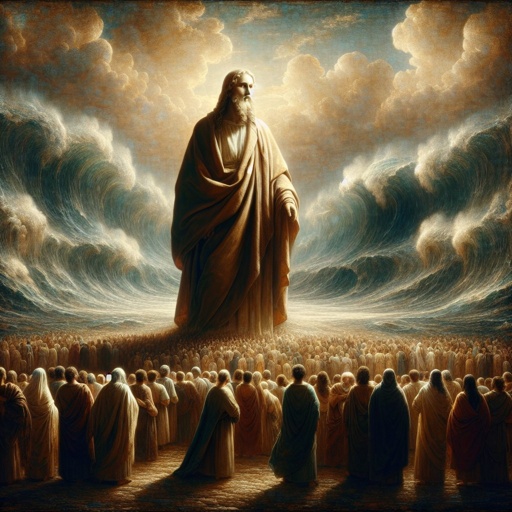
Exodus 14:13
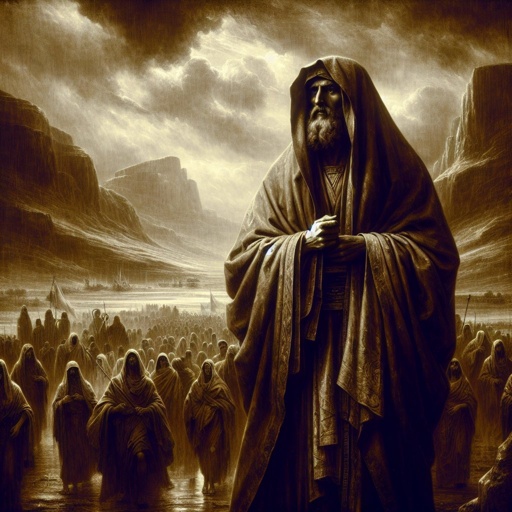
Exodus 14:13
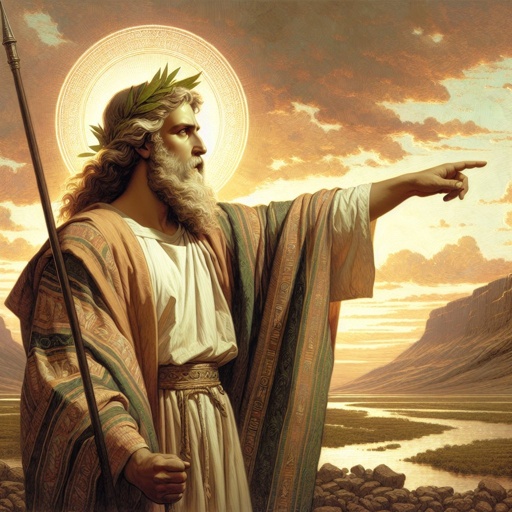
Exodus 14:13

Exodus 14:13

Exodus 14:13

Exodus 14:13

Exodus 14:13

Exodus 14:13
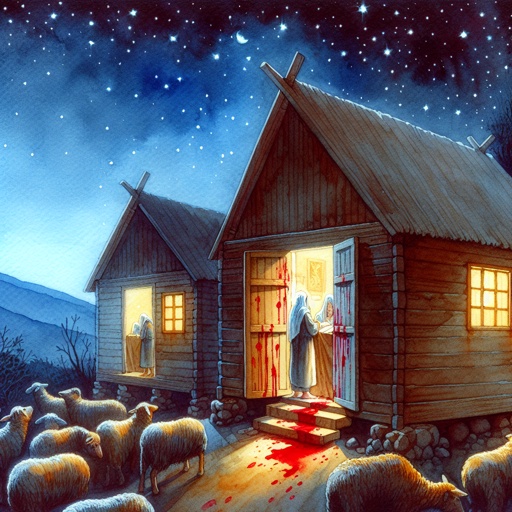
Exodus 12:13

Exodus 14:13
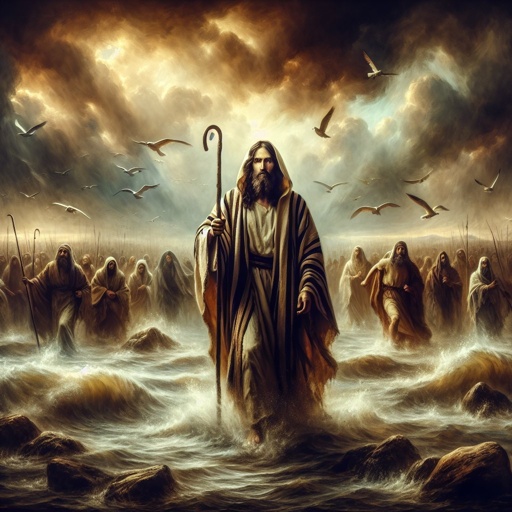
Exodus 14:13
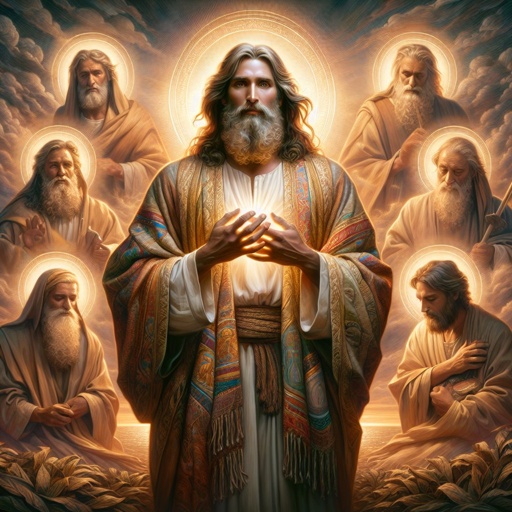
Exodus 14:13

Exodus 14:13

Exodus 14:13

Exodus 14:13