The Unyielding Heart: A Lesson from Pharaoh's Resistance
“But the LORD hardened Pharaoh’s heart, and he would not let them go.” — Exodus 10:27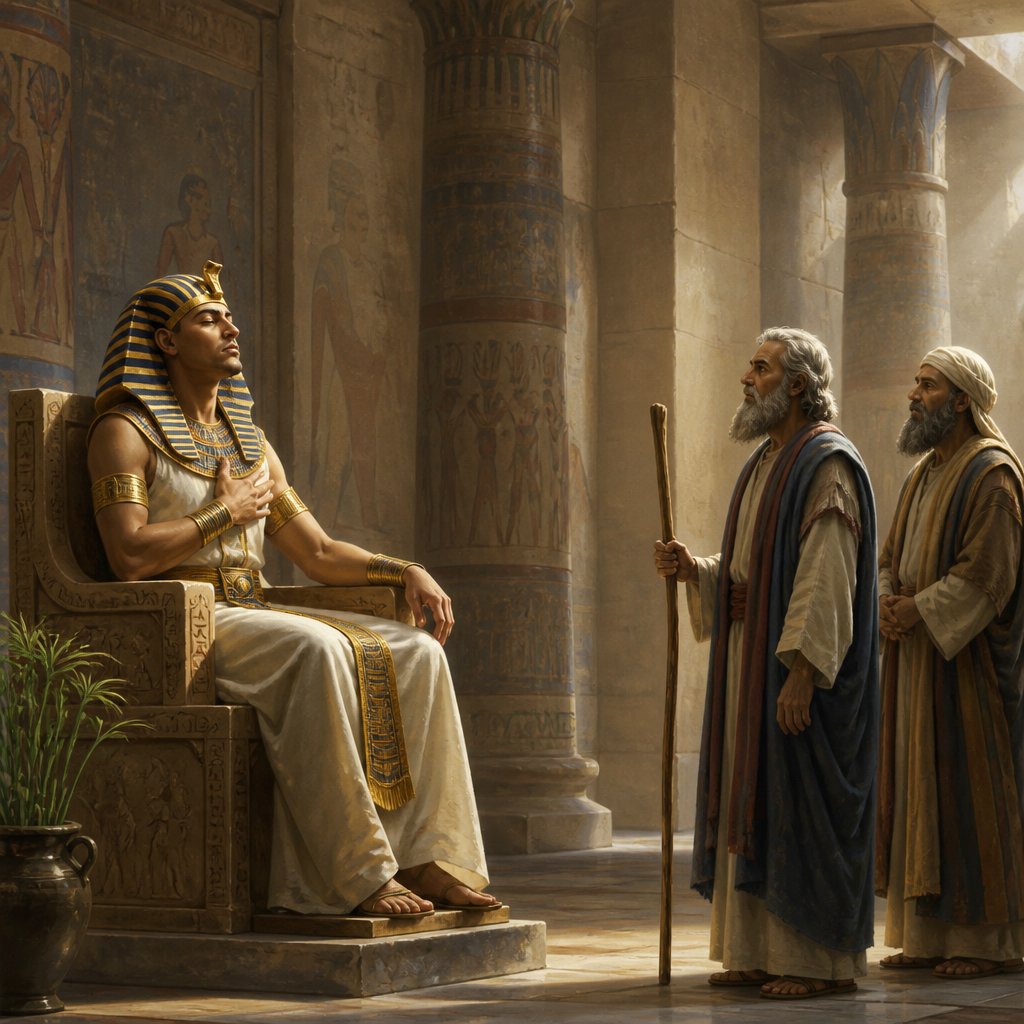
In Exodus 10:27, the King James Version poignantly records, "But the LORD hardened Pharaoh's heart, and he would not let them go." This verse encapsulates a profound moment in the narrative of Israel's deliverance from Egypt. It is a declaration of God's sovereignty and a reflection on the complexities of human free will, defiance, and divine purpose.
The story of Pharaoh’s hardened heart serves as a powerful reminder that God is sovereign over the affairs of humanity. Throughout the plagues that befell Egypt, we see God repeatedly sending Moses to plead for the release of His people. Yet, with each act of judgment, Pharaoh's heart grows ever more obstinate. The question arises: why would God harden someone's heart? This is not merely a display of divine power; it speaks to a deeper theological truth about the nature of God and humanity.
Pharaoh’s heart was hardened not only by divine action but also by his own choices. The heart represents the seat of will and decision-making, and Pharaoh had repeatedly rejected God's command through Moses, each refusal leading to a further hardening of his heart. This dynamic is complex; it suggests that while God can intervene in human hearts, individuals are still responsible for their decisions. In this case, Pharaoh’s repeated choices to oppose God led to his ultimate ruin.
In applying this scripture to our modern lives, we can reflect on how we handle our relationship with God. Do we, like Pharaoh, resist His call for change, His nudging towards repentance, or His invitation to deeper intimacy? When we continuously harden our hearts, rejecting His truth, we run the risk of becoming unyielding, stubborn, and ultimately disconnected from the very source of life and hope.
Moreover, Pharaoh’s story reveals the consequences of a hardened heart. He witnessed firsthand the miraculous works of God—each plague an urgent message of God's power and love directed toward His people. Despite these displays of divine authority, Pharaoh remained obstinate, showcasing how refusal to listen can lead to increased spiritual deafness. For many of us, we might not experience plagues in a literal sense, but we might find ourselves in parched spiritual deserts when we resist God’s leading.
As believers, we have the opportunity to learn from Pharaoh’s grave mistake. Daily, we face choices that can either soften our hearts toward God or harden them toward His whispers of grace. God, in His love, desires to mold our hearts to reflect His character, to soften our spirits to align with His will. He calls us to surrender, to release our hold on sin and pride, and to embrace the transformative power of His Word. In doing so, we prevent our hearts from becoming unreachable, as we choose to yield ourselves to His Spirit rather than resist Him.
It is essential to recognize the importance of spiritual vigilance. Just as Pharaoh allowed his heart to harden over time, we too can fall into patterns of spiritual complacency. We need to actively choose to cultivate a heart that is receptive to God’s voice and attentive to His guidance. Regular prayer, study of His Word, and fellowship with other believers can help keep our hearts soft and responsive. When confronted with His truth, let us not be like Pharaoh but rather submit to His will, embracing the freedom that comes through obedience.
In conclusion, Exodus 10:27 is a call to introspection and action. It invites us to ponder the condition of our hearts and our response to God’s leading. Let us surrender any hardness, opting instead for a pliable spirit that mirrors the love and grace exemplified in Christ. May we heed the warnings from Pharaoh’s life and choose submission over resistance, resulting in a life deeply rooted in faith and obedient love.
Get our apps


Artwork for Exodus 10:27

Exodus 10:27 - "¶ But the LORD hardened Pharaoh's heart, and he would not let them go."
"¶ But the LORD hardened Pharaoh's heart, and he would not let them go." - Exodus 10:27

Exodus 27:10 - "And the twenty pillars thereof and their twenty sockets shall be of brass; the hooks of the pillars and their fillets shall be of silver."
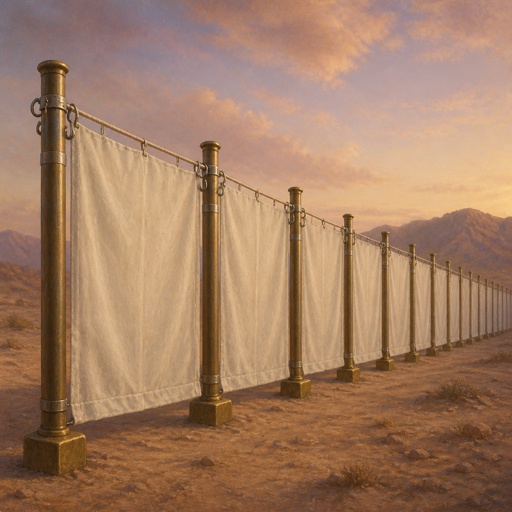
"And the twenty pillars thereof and their twenty sockets shall be of brass; the hooks of the pillars and their fillets shall be of silver." - Exodus 27:10

Exodus 27:20

Exodus 27:20

Exodus 27:20

Exodus 27:19-20

Exodus 27:1-8

Exodus 23:27-28

exodus 27:3 forks

Exodus 27:19-21

Exodus 27:20 the lamp is made of brass

Exodus 36:27 - "And for the sides of the tabernacle westward he made six boards."

Exodus 35:27 - "And the rulers brought onyx stones, and stones to be set, for the ephod, and for the breastplate;"

Exodus 27:13 - "And the breadth of the court on the east side eastward shall be fifty cubits."

Exodus 40:27 - "And he burnt sweet incense thereon; as the LORD commanded Moses."

Luke 10:27

Exodus 30:27 - "And the table and all his vessels, and the candlestick and his vessels, and the altar of incense,"

Exodus 25:27 - "Over against the border shall the rings be for places of the staves to bear the table."

Exodus 39:27 - "¶ And they made coats of fine linen of woven work for Aaron, and for his sons,"

Exodus 27:15 - "And on the other side shall be hangings fifteen cubits: their pillars three, and their sockets three."

Genesis 10:27 - "And Hadoram, and Uzal, and Diklah,"

Nehemiah 10:27 - "Malluch, Harim, Baanah."

Genesis 27:10 KJV

Exodus 7:10

Exodus 7:10

Exodus 10:12
Exodus 17:10

Exodus 10:12