The Everlasting Legacy of Liberation
“And ye shall observe the feast of unleavened bread; for in this selfsame day have I brought your armies out of the land of Egypt: therefore shall ye observe this day in your generations by an ordinance for ever.” — Exodus 12:17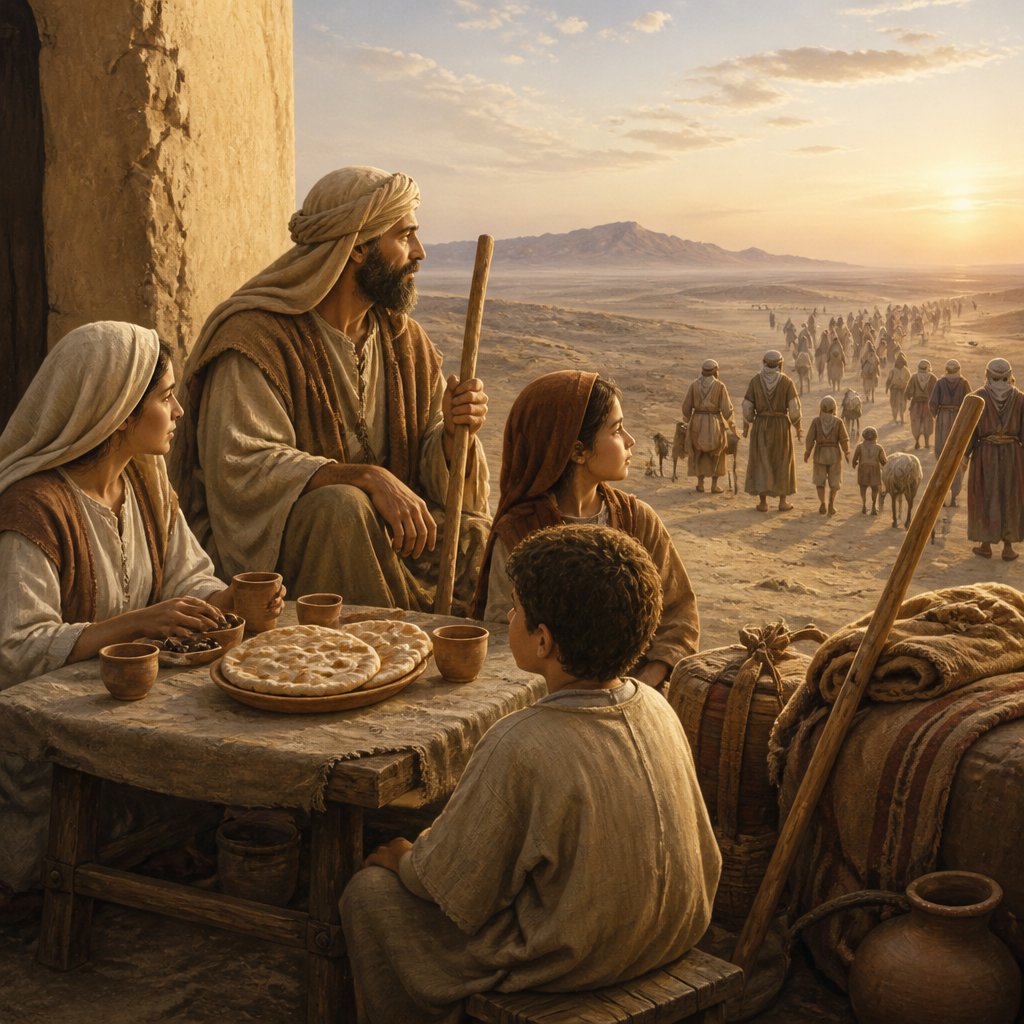
As we delve into the profound statement found in Exodus 12:17, "And ye shall observe the feast of unleavened bread; for in this selfsame day have I brought your armies out of the land of Egypt: therefore shall ye observe this day in your generations by an ordinance for ever," we are presented with a reminder of the significance of remembrance in the life of faith. This directive, while embedded in the narrative of Israel's exodus from slavery, speaks volumes about God's intention for His people to never forget the milestones of their liberation.
In this verse, the Feast of Unleavened Bread is more than a mere celebration; it stands as a symbol of the swift and miraculous deliverance experienced by the Israelites. The unleavened bread itself represents the haste required during their hasty departure from Egypt. This feast was instituted not only to commemorate that moment but to instill within the hearts of future generations a profound appreciation for the active hand of God in their history. God recognizes our tendency to forget—our proclivity to drift away from the memories of His faithfulness in the midst of life’s everyday struggles. By commanding the Israelites to observe this feast, He takes proactive measures so that His work among them would never fade from their hearts and minds.
To observe the Feast of Unleavened Bread implies a call to action for both the individual and corporate community. When we think about the significance of observing with intention, it compels us to evaluate how we remember the important occasions in our lives. For instance, in our busy lives, do we set aside moments to reflect upon the ways God has delivered us in our own journeys? Do we commemorate personal and community milestones that signify growth, change, and God’s miracle-working presence? The act of observation is integral to not letting the awe of God’s deeds diminish over time.
Moreover, God emphasizes that this celebration is to be observed throughout generations as a steadfast ordinance. This speaks to the ongoing responsibility to educate and inform those who come after us about the faithfulness of God. It’s a legacy handed down, not just verbally but through rites that engage the heart and body. In our contemporary context, how do you share your story of deliverance? How do you teach your children or those around you to observe and value the God who saves?
Every year as the Jewish people celebrate Passover, they reflect upon God’s act of passing over the homes of the Israelites as the Angel of Death brought judgment upon Egypt. This annual observance is rich with teaching opportunities about God’s justice, mercy, and ultimate desire to have a relationship with His people. For us Christians, while we may not celebrate the feast in the same way, we have our own moments of communion and remembrance—communities gathering together to share in the Lord’s Supper, remembering Christ’s sacrifice and the new covenant He established.
It is powerful to recognize that liberation from Egypt was not just about physical freedom; it was about spiritual resurrection. God’s intention was to lead His people into a promised land where they would worship Him freely—a land overflowing with abundance and grace. The imagery is clear: our sin enslaves us, but Christ’s sacrifice liberates us. Just as God commanded Israel to remember their exodus, we are called to remember our own rescue through the death and resurrection of Jesus Christ.
As we meditate on Exodus 12:17, let us consider how we can embody this observance in our lives. How can each of us make room for remembrance in our worship and daily rhythms? Let us take time this week, whether in prayer, storytelling, celebration, or feast, to honor the liberation that God has provided to us and recommit ourselves to passing on these stories—these legacies of faith—to the generations that follow.
Get our apps


Artwork for Exodus 12:17

Exodus 12:17 - "And ye shall observe the feast of unleavened bread; for in this selfsame day have I brought your armies out of the land of Egypt: therefore shall ye observe this day in your generations by an ordinance for ever."
"And ye shall observe the feast of unleavened bread; for in this selfsame day have I brought your armies out of the land of Egypt: therefore shall ye observe this day in your generations by an ordinance for ever." - Exodus 12:17

Exodus 12:12
Exodus 17:10

Exodus 17:11

Exodus 17:6

Exodus 17:3

Exodus 17:3

Exodus 17:6

Exodus 17:6

Exodus 24:17

Exodus 17:6

Exodus 17:12 - "But Moses' hands were heavy; and they took a stone, and put it under him, and he sat thereon; and Aaron and Hur stayed up his hands, the one on the one side, and the other on the other side; and his hands were steady until the going down of the sun."

Exodus 3:12

Exodus 3:12

Exodus 3:12

Exodus 3:12

Exodus 3:12

Exodus 12:33

Exodus 12:7

Exodus 10:12
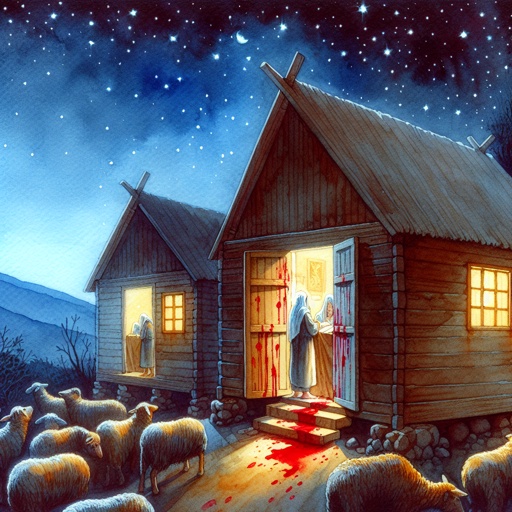
Exodus 12:13

Exodus 10:12

Exodus 3:12

Exodus 10:12

Exodus 3:12

Exodus 12:7

Exodus 30:17 - "¶ And the LORD spake unto Moses, saying,"

Exodus 17:8 - "¶ Then came Amalek, and fought with Israel in Rephidim."

Exodus 13:17-14:29