The Night of Reckoning: God's Sovereignty and Human Rebellion
“And Pharaoh rose up in the night, he, and all his servants, and all the Egyptians; and there was a great cry in Egypt; for there was not a house where there was not one dead.” — Exodus 12:30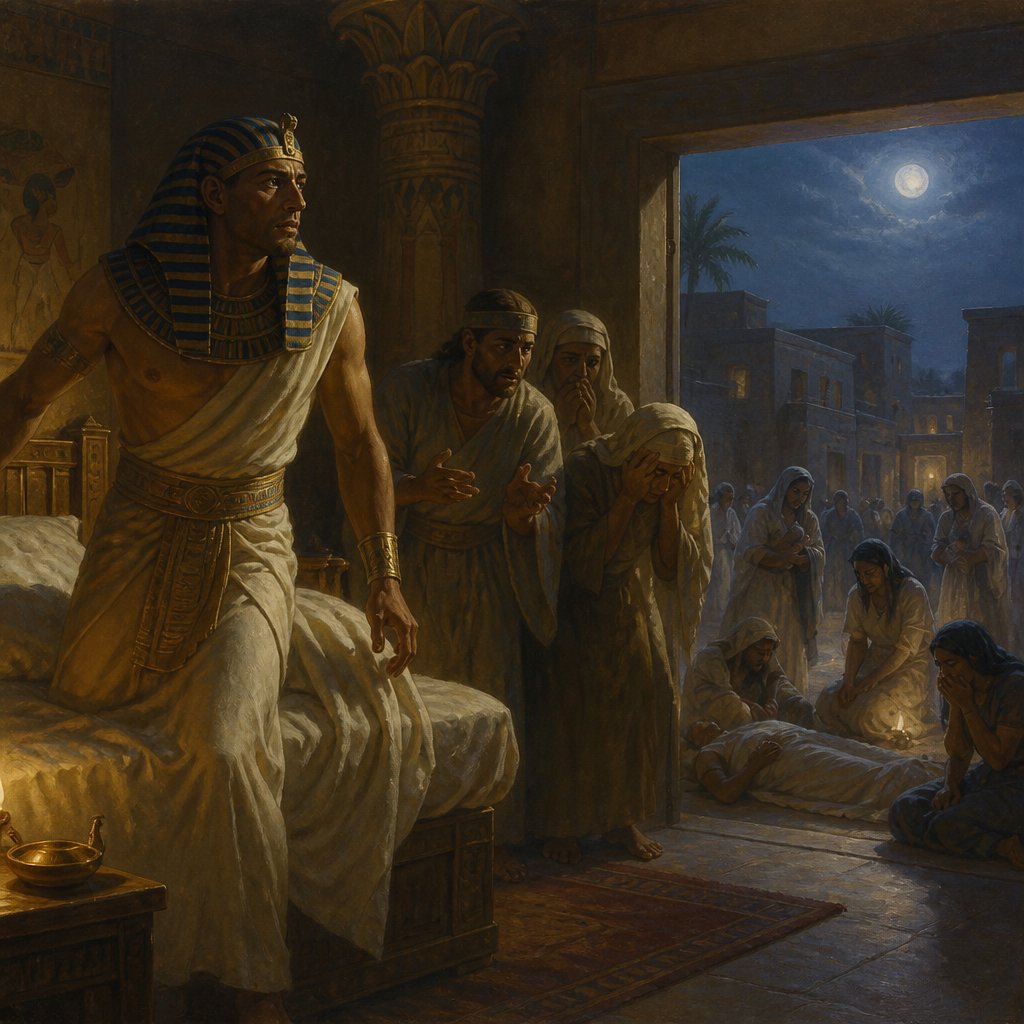
As we immerse ourselves in the poignant narrative of Exodus 12:30, we encounter a moment of profound tragedy and divine intervention: "And Pharaoh rose up in the night, he, and all his servants, and all the Egyptians; and there was a great cry in Egypt; for there was not a house where there was not one dead." (KJV) This powerful verse encapsulates the gravity of God’s judgment upon a nation that had persistently hardened its heart against Him and His commands.
In this early chapter of the Exodus narrative, the Israelites are on the brink of liberation from centuries of bondage in Egypt. The tension is palpable as God, through Moses, has issued a series of plagues as a means to demonstrate His power and to compel Pharaoh to release the Israelites. Each plague was an act of judgment and a divine declaration of His sovereignty over the so-called gods of Egypt. Yet, in a stark display of rebellion, Pharaoh refused to listen, believing that he could stand against God’s will.
The culmination of these plagues reaches its peak in the devastating event described in this verse—the death of the firstborn. This event was not just a manifestation of God's wrath; it was a consequence of Egypt's persistent unbelief and disobedience. It serves to remind us of the severity of sin and the lengths to which a holy God will go to rouse a stubborn heart to repentance. Despite the previous signs and wonders, Pharaoh's heart remained hardened, leading to catastrophic consequences—not only for him but for all of Egypt.
As Pharaoh and his servants are awakened in the dead of night, the text captures the horror: "there was a great cry in Egypt." This cry was not just a mournful lament; it symbolized the weight of loss and the stark reality of God's judgment. The phrase, "for there was not a house where there was not one dead," speaks to the indiscriminate nature of divine justice in a land devoted to oppression and idolatry. Every household was touched by death, marking a somber reminder that sin has far-reaching effects, often impacting the innocent along with the guilty.
In our meditations, we must confront the uncomfortable idea that God's judgment can be both terrible and redemptive. What do we learn through these harrowing verses? Firstly, we are reminded of the serious nature of God’s holiness. He does not overlook rebellion forever. His patience is immense, but His judgment is certain. This might steer us away from casual attitudes towards sin, encouraging us to examine our hearts and lives before Him diligently.
Secondly, we see the stark juxtaposition of despair and hope. While the Egyptians lamented the loss of their firstborns, the Israelites were sheltered under the blood of the Passover lamb—a foreshadowing of the ultimate sacrifice that would come through Jesus Christ. This moment illustrates the critical teaching that while judgment is real and severe, so too is God’s mercy extended to those who choose to follow Him. It is an invitation to find refuge in Christ, who is our Passover Lamb, ensuring that through Him we may escape eternal judgment.
Finally, the narrative of Exodus prompts us to reflect on our own lives. Are there areas where we have hardened our hearts against God? Are we resisting His call to repentance? The cry in Egypt echoes throughout time, inviting us to evaluate whether we have submitted our hearts to the Lordship of Christ or if we stubbornly navigate our own path.
May we not end with despair but rather with hope and vigilance. As we move forward, let us remember the invitation to trust in God’s unfailing promises, to yield to His guidance, and to seek His mercy. Let the grave cry of Egypt resonate as a warning not only of the consequences of rebellion but also as an encouragement to lean into the grace offered through Christ.
In every night of despair, the dawn of grace awaits. Amen.
Get our apps


Artwork for Exodus 12:30
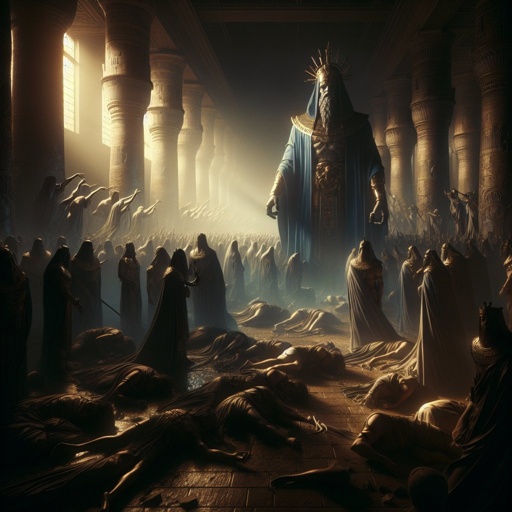
Exodus 12:30 - "And Pharaoh rose up in the night, he, and all his servants, and all the Egyptians; and there was a great cry in Egypt; for there was not a house where there was not one dead."
"And Pharaoh rose up in the night, he, and all his servants, and all the Egyptians; and there was a great cry in Egypt; for there was not a house where there was not one dead." - Exodus 12:30

The Plague on the Firstborn - Exodus 11, 12:1-30

The Plague on the Firstborn - Exodus 11, 12:1-30
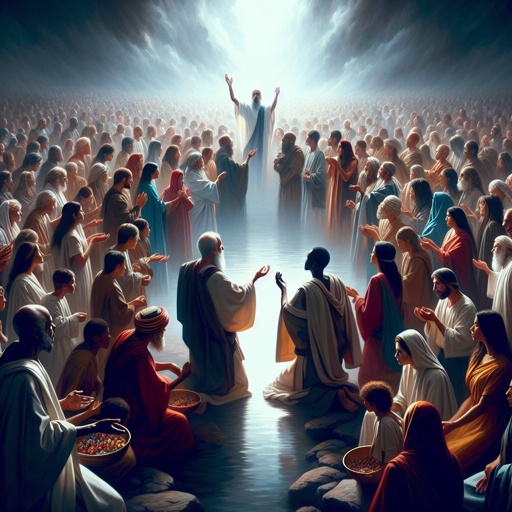
Exodus 30:12 - "When thou takest the sum of the children of Israel after their number, then shall they give every man a ransom for his soul unto the LORD, when thou numberest them; that there be no plague among them, when thou numberest them."

Exodus 26:30

Exodus 28:30-43

Exodus 28:15-30

Exodus 30:30 - "And thou shalt anoint Aaron and his sons, and consecrate them, that they may minister unto me in the priest's office."

Exodus 16:30 - "So the people rested on the seventh day."

Exodus 30:17 - "¶ And the LORD spake unto Moses, saying,"

Exodus 30:11 - "¶ And the LORD spake unto Moses, saying,"

Exodus 30:22 - "¶ Moreover the LORD spake unto Moses, saying,"

Exodus 12:12

Exodus 8:30 - "And Moses went out from Pharaoh, and intreated the LORD."

Exodus 30:26 - "And thou shalt anoint the tabernacle of the congregation therewith, and the ark of the testimony,"

Exodus 30:19 - "For Aaron and his sons shall wash their hands and their feet thereat:"

Exodus 30:27 - "And the table and all his vessels, and the candlestick and his vessels, and the altar of incense,"

Exodus 30:5 - "And thou shalt make the staves of shittim wood, and overlay them with gold."

Exodus 25:30 - "And thou shalt set upon the table shewbread before me alway."

Exodus 30:28 - "And the altar of burnt offering with all his vessels, and the laver and his foot."

Exodus 30:24 - "And of cassia five hundred shekels, after the shekel of the sanctuary, and of oil olive an hin:"

Exodus 9:30 - "But as for thee and thy servants, I know that ye will not yet fear the LORD God."

Exodus 40:30 - "¶ And he set the laver between the tent of the congregation and the altar, and put water there, to wash withal."
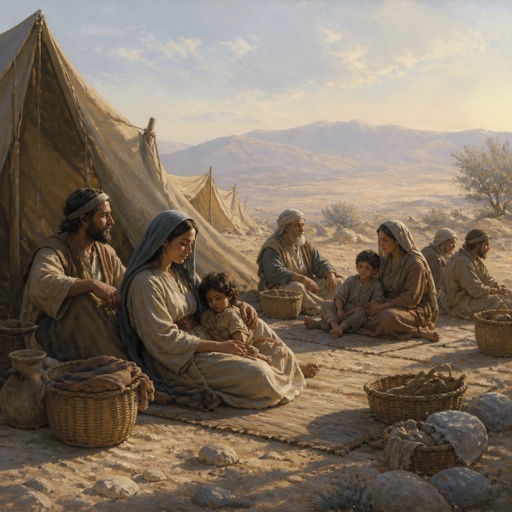
"So the people rested on the seventh day." - Exodus 16:30

Exodus 26:30 - "And thou shalt rear up the tabernacle according to the fashion thereof which was shewed thee in the mount."

Exodus 3:12

Exodus 3:12

Exodus 3:12

Exodus 3:12