What does Exodus 12:30 mean?
“And Pharaoh rose up in the night, he, and all his servants, and all the Egyptians; and there was a great cry in Egypt; for there was not a house where there was not one dead.” — Exodus 12:30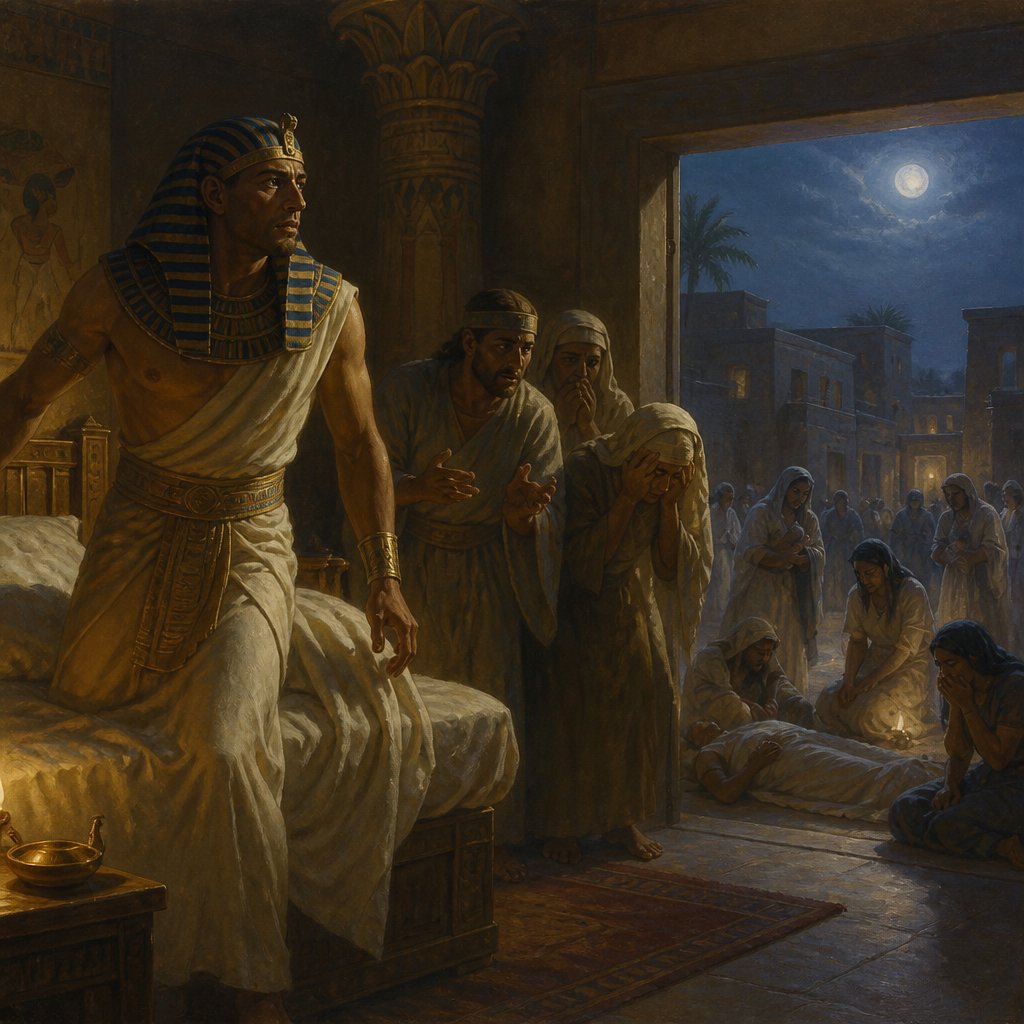
Exodus 12:30 (KJV) reads, “And Pharaoh rose up in the night, he, and all his servants, and all the Egyptians; and there was a great cry in Egypt; for there was not a house where there was not one dead.”
This verse comes from the Book of Exodus, which is the second book of the Bible and is a foundational text in both Judaism and Christianity. The Book of Exodus follows the story of the Israelites' escape from slavery in Egypt, led by the prophet Moses, as they journey to the Promised Land. This particular verse comes at a pivotal moment in the story, as it describes the final plague that forces Pharaoh to release the Israelites from bondage.
The context of this verse is the tenth plague, the death of the firstborn, which is the most devastating of all the plagues that God inflicted on Egypt as punishment for Pharaoh's refusal to let the Israelites go. Throughout the Book of Exodus, Pharaoh repeatedly defies God's command to release the Israelites, despite witnessing the miraculous plagues that God sends to convince him. Each time, Pharaoh hardens his heart and refuses to yield, causing his heart to be further hardened by God.
In this particular verse, we see the immediate aftermath of the final plague. Pharaoh and all his servants, along with all of the Egyptians, are devastated by the loss of their firstborn children. This event serves as the climax of the narrative, as it finally breaks Pharaoh's resolve and compels him to release the Israelites from bondage. The great cry that resounds throughout Egypt signifies the magnitude of the suffering and loss that the tenth plague inflicts, and it serves as a powerful testament to the destructive consequences of Pharaoh's stubborn defiance of God.
The theme of divine judgment and justice is central to this verse. Throughout the plagues, God demonstrates his power and authority over Pharaoh and the Egyptians, ultimately bringing about their downfall to secure the liberation of the Israelites. The tenth plague, in particular, underscores the severity of divine judgment, as it results in widespread death and devastation throughout Egypt. This event serves as a reminder of the consequences of disobedience and oppression, as well as the righteousness of God's punishment.
Symbolism is also an important element of this verse. The death of the firstborn serves as a symbol of the cost of oppression and the price of freedom. It represents the ultimate sacrifice that the Egyptians must make as a result of Pharaoh's refusal to release the Israelites. Additionally, the great cry that fills Egypt symbolizes the collective anguish and mourning of a nation brought low by divine retribution.
In Christianity, the death of the firstborn also serves as a type or foreshadowing of the sacrificial death of Jesus Christ, who becomes the ultimate Passover lamb whose blood saves believers from spiritual death. The Exodus story, therefore, is often interpreted as a prefiguration of the redemptive work of Jesus, emphasizing the theological significance of the events described in this verse.
In conclusion, Exodus 12:30 is a profound and poignant verse that encapsulates the climactic moment of the Exodus narrative. It conveys a powerful message about the consequences of disobedience, the righteousness of divine judgment, and the symbolism of sacrifice and redemption. This verse continues to inspire and challenge readers to reflect on the enduring themes of freedom, liberation, and the sovereignty of God.
Get our apps


Artwork for Exodus 12:30
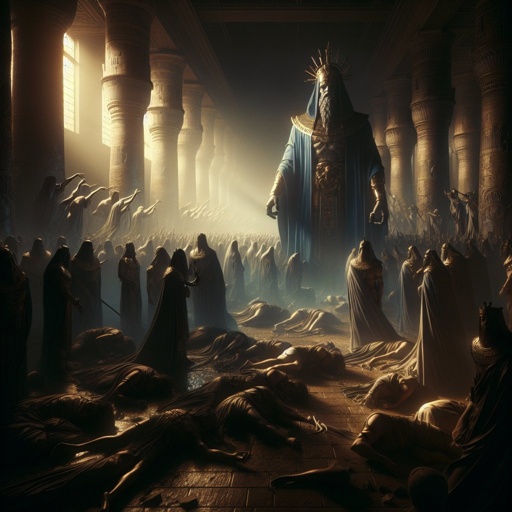
Exodus 12:30 - "And Pharaoh rose up in the night, he, and all his servants, and all the Egyptians; and there was a great cry in Egypt; for there was not a house where there was not one dead."
"And Pharaoh rose up in the night, he, and all his servants, and all the Egyptians; and there was a great cry in Egypt; for there was not a house where there was not one dead." - Exodus 12:30

The Plague on the Firstborn - Exodus 11, 12:1-30

The Plague on the Firstborn - Exodus 11, 12:1-30
Exodus 30:12 - "When thou takest the sum of the children of Israel after their number, then shall they give every man a ransom for his soul unto the LORD, when thou numberest them; that there be no plague among them, when thou numberest them."

Exodus 26:30

Exodus 28:30-43

Exodus 28:15-30

Exodus 30:30 - "And thou shalt anoint Aaron and his sons, and consecrate them, that they may minister unto me in the priest's office."

Exodus 16:30 - "So the people rested on the seventh day."

Exodus 30:17 - "¶ And the LORD spake unto Moses, saying,"

Exodus 30:11 - "¶ And the LORD spake unto Moses, saying,"

Exodus 30:22 - "¶ Moreover the LORD spake unto Moses, saying,"

Exodus 12:12

Exodus 8:30 - "And Moses went out from Pharaoh, and intreated the LORD."

Exodus 30:26 - "And thou shalt anoint the tabernacle of the congregation therewith, and the ark of the testimony,"

Exodus 30:19 - "For Aaron and his sons shall wash their hands and their feet thereat:"

Exodus 30:27 - "And the table and all his vessels, and the candlestick and his vessels, and the altar of incense,"

Exodus 30:5 - "And thou shalt make the staves of shittim wood, and overlay them with gold."

Exodus 25:30 - "And thou shalt set upon the table shewbread before me alway."

Exodus 30:28 - "And the altar of burnt offering with all his vessels, and the laver and his foot."

Exodus 30:24 - "And of cassia five hundred shekels, after the shekel of the sanctuary, and of oil olive an hin:"

Exodus 9:30 - "But as for thee and thy servants, I know that ye will not yet fear the LORD God."

Exodus 40:30 - "¶ And he set the laver between the tent of the congregation and the altar, and put water there, to wash withal."
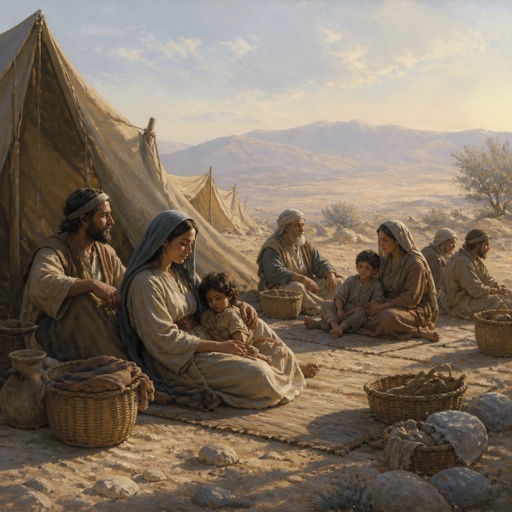
"So the people rested on the seventh day." - Exodus 16:30

Exodus 26:30 - "And thou shalt rear up the tabernacle according to the fashion thereof which was shewed thee in the mount."

Exodus 3:12

Exodus 3:12

Exodus 3:12

Exodus 3:12