The Significance of Inclusion and Exclusion: Understanding God’s Passover Instructions
“A foreigner and an hired servant shall not eat thereof.” — Exodus 12:45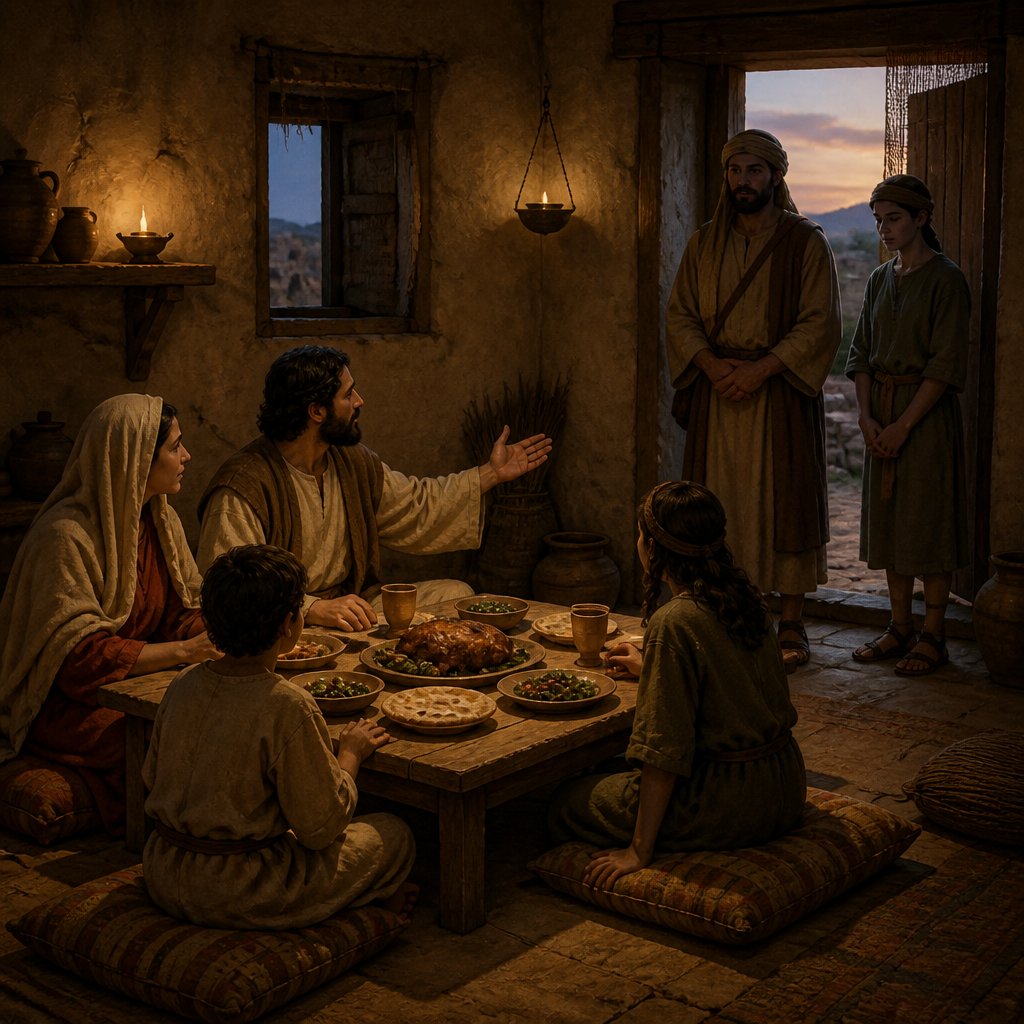
In Exodus 12:45, we read: "A foreigner and an hired servant shall not eat thereof." This verse is nestled within the narrative of the Passover, a pivotal event in the history of Israel, marking their deliverance from slavery in Egypt. As we delve into this instruction, it is crucial to understand the spiritual and practical implications behind what God is communicating to His people.
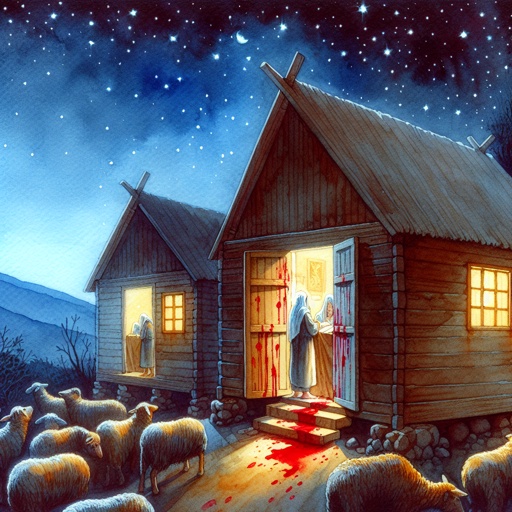
The context of this command is vital. God was instituting the Passover meal, which required each household to slay a lamb, apply its blood to the doorposts, and partake in a meal that symbolized salvation and liberation from bondage. The lamb was a representation of Christ, the Lamb of God who would ultimately take away the sins of the world (John 1:29). The Israelites were instructed to ensure that only those within the covenant of God’s promises—those who were part of His chosen people—were allowed to partake in this sacred meal.
At first glance, the restriction set forth in Exodus 12:45 may appear exclusive or harsh. Who were these foreigners and hired servants? The foreigners likely represented those who were not of the lineage of Abraham, Isaac, and Jacob, while the hired servants were individuals who worked for the Israelites, possibly from different nations or those in a lower social standing. In essence, the prohibition highlights the relationship between covenant and community. The Passover was not just a meal; it was a declaration of identity and belonging among God’s people.
To fully appreciate the implications of this, we must recognize that throughout Scripture, God continually emphasizes the importance of covenant community and the designated boundaries that define it. The Passover meal was a means of protection under the blood—a symbol of being covered by God’s grace. As we reflect on the significance of the lamb’s blood covering the doors, we are reminded of Jesus’ sacrifice. He allows all who believe to enter into this new covenant, granting them access to the blessings of God’s promises. However, with this great privilege comes the responsibility of being in right relationship with God and one another.
The concept of exclusion in Exodus 12:45 can also evoke thoughts of sin. In the New Testament, Paul echoes this sense of belonging when he addresses the Corinthians, reminding them, "but now are ye the body of Christ, and members in particular" (1 Corinthians 12:27). Membership in Christ’s body comes with both privileges and responsibilities. God desires holiness and purity in His community—reflective of His character. It is through this sense of belonging that we experience true worship, and as we partake in communion, we signify our unity with Christ and with one another.
Moreover, this passage inspires us to reflect on our own lives today. Are there outsiders and marginalized individuals we are keeping at bay? Are we extending the love of God to them? As Christians, we are called to demonstrate God’s heart for inclusion, as evidenced throughout the Gospel. Jesus spent His time with those whom society often excluded, showing us that the banquet table of the Lord is open for all who come in faith.
Ultimately, while the message in Exodus 12:45 may denote boundaries among God’s people during the Passover, it also challenges us to examine our own lives concerning access to God. We are reminded that we are enabled to partake of His presence and partake in His blessings when we are in right standing with Him through faith in Christ.
As we ponder the weight of Passover, may we be compelled to celebrate our inclusion in God’s family and extend His grace to others—inviting the world to the table that the Lamb has prepared for us. Amen.
Get our apps


Artwork for Exodus 12:45

Exodus 12:45 - "A foreigner and an hired servant shall not eat thereof."
"A foreigner and an hired servant shall not eat thereof." - Exodus 12:45

Exodus 29:45 - "¶ And I will dwell among the children of Israel, and will be their God."

John 12:45 - "And he that seeth me seeth him that sent me."
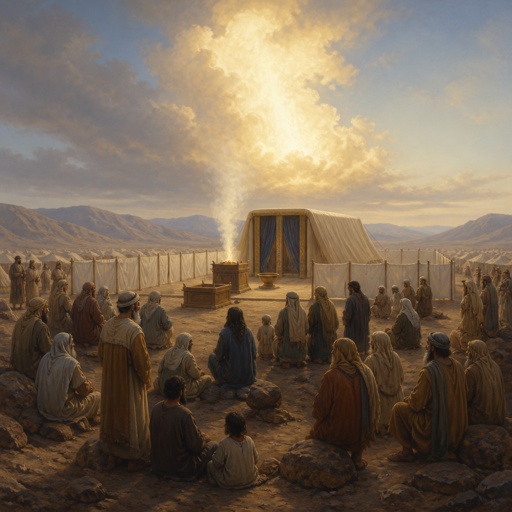
"¶ And I will dwell among the children of Israel, and will be their God." - Exodus 29:45

Psalms 45:12 - "And the daughter of Tyre shall be there with a gift; even the rich among the people shall intreat thy favour."

Genesis 45:12 - "And, behold, your eyes see, and the eyes of my brother Benjamin, that it is my mouth that speaketh unto you."

Exodus 12:12

Ezekiel 45:12 - "And the shekel shall be twenty gerahs: twenty shekels, five and twenty shekels, fifteen shekels, shall be your maneh."

Nehemiah 12:45 - "And both the singers and the porters kept the ward of their God, and the ward of the purification, according to the commandment of David, and of Solomon his son."

Luke 12:45 - "But and if that servant say in his heart, My lord delayeth his coming; and shall begin to beat the menservants and maidens, and to eat and drink, and to be drunken;"
"And he that seeth me seeth him that sent me." - John 12:45

Isaiah 45:12 - "I have made the earth, and created man upon it: I, even my hands, have stretched out the heavens, and all their host have I commanded."

Exodus 3:12

Exodus 3:12

Exodus 3:12

Exodus 3:12

Exodus 3:12

Exodus 12:33

Exodus 12:7

Exodus 10:12
Exodus 12:13

Exodus 10:12

Exodus 3:12

Exodus 10:12

Exodus 3:12

Exodus 12:7

Exodus 12:1-19

Exodus 39:12 - "And the third row, a ligure, an agate, and an amethyst."

Exodus 31:12 - "¶ And the LORD spake unto Moses, saying,"