What does Exodus 12:45 mean?
“A foreigner and an hired servant shall not eat thereof.” — Exodus 12:45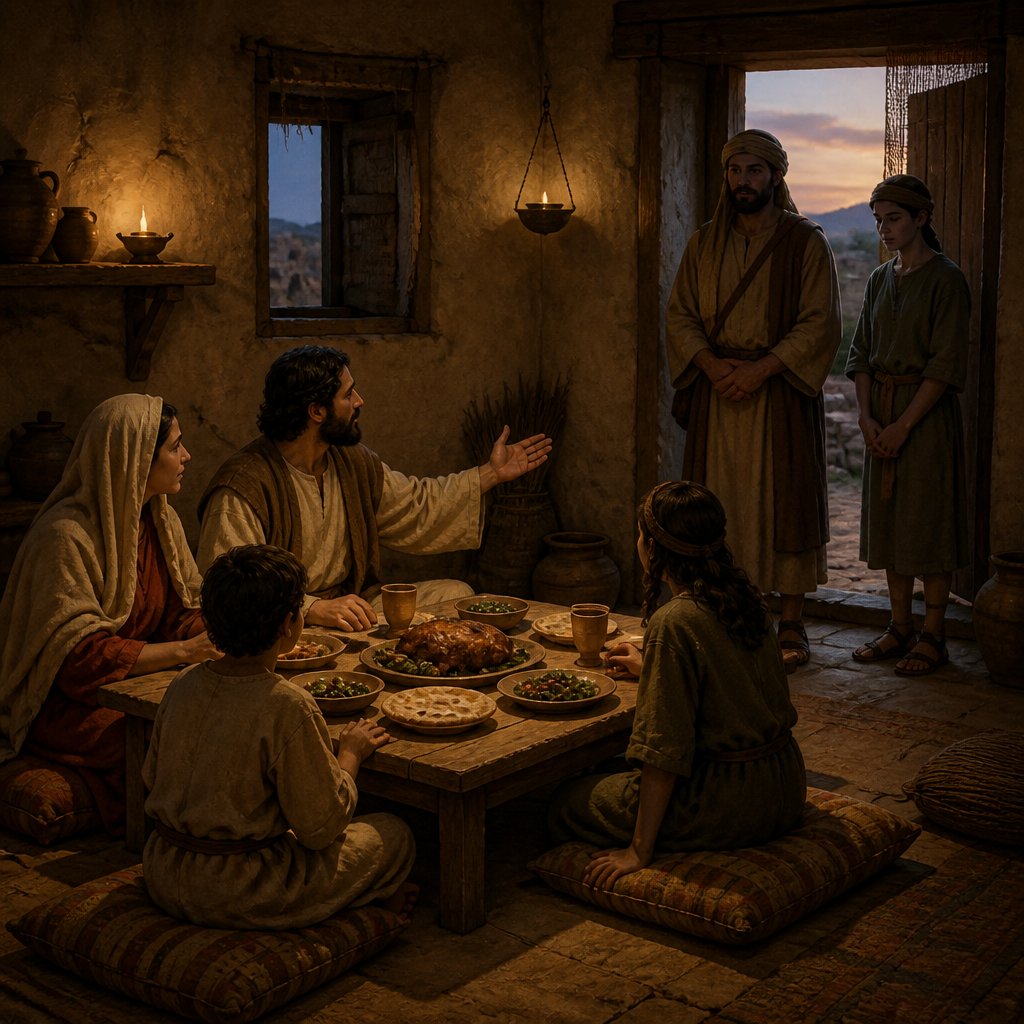
Exodus 12:45 in the King James Version of the Bible states, "A foreigner and a hired servant shall not eat thereof." This verse is a part of the Passover regulations given to the Israelites by God through Moses. The context of this verse is the instruction for the proper observance of the Passover, which included the sacrifice of a lamb and the consumption of its meat as part of the annual commemoration of the Israelite's deliverance from slavery in Egypt.
The significance of this verse lies in its emphasis on the exclusivity of the Passover meal. The restriction that "foreigners" and "hired servants" were not allowed to partake in the Passover meal underscores the special relationship that the Israelites had with God as His chosen people. This exclusivity served as a reminder to the Israelites of their unique identity and covenantal relationship with God.
From a thematic perspective, the concept of exclusivity in the Passover meal ties in with the broader theme of separation and distinction in the Old Testament. Throughout the Hebrew Bible, God repeatedly emphasizes the distinction between the Israelites and other nations, as well as the need for the Israelites to maintain their identity as a chosen people set apart for God's purposes. This theme of separation is reflected in various laws and regulations given to the Israelites, including dietary restrictions, Sabbath observance, and rituals such as circumcision.
The exclusion of "foreigners" from partaking in the Passover meal also has symbolic significance. In the biblical context, "foreigners" referred to non-Israelites or those who were not part of the covenant community. By prohibiting them from participating in the Passover, God was reiterating the unique status of the Israelites as His chosen people. This served as a safeguard against the potential dilution of their faith and identity through intermingling with other nations and their religious practices.
Moreover, the prohibition against "hired servants" from eating the Passover meal highlights the importance of personal commitment and loyalty in the observance of religious rituals. Hired servants, as individuals who served for wages, were considered outsiders in the household, and the exclusion of this group from the Passover meal underscored the idea that true participation in the religious life of the community required a deeper level of personal investment and belonging.
In terms of symbolism, the Passover meal itself holds significant symbolic meaning in the Bible. It is a vivid representation of the redemption and deliverance that God provided for the Israelites during their bondage in Egypt. The sacrifice of the lamb, the marking of the doorposts with its blood, and the subsequent sparing of the Israelite households from the final plague all point to the redemptive power of God and His faithfulness to His people.
Within the Christian tradition, the Passover takes on even greater symbolic significance, as it is seen as a foreshadowing of the ultimate sacrifice of Jesus Christ, who is often referred to as the "Lamb of God." Just as the Israelites were redeemed from slavery through the sacrificial lamb, Christians believe that they are redeemed from sin and death through the atoning sacrifice of Jesus on the cross.
In conclusion, Exodus 12:45 serves as a reminder of the exclusivity and significance of the Passover meal in the religious life of the Israelites. This verse reflects the broader themes of separation and distinction in the Old Testament, while also holding symbolic significance in the context of the redemptive work of God. Ultimately, this verse points to the special relationship that God had with His chosen people and the importance of maintaining that relationship through obedience and faithfulness.
Get our apps


Artwork for Exodus 12:45

Exodus 12:45 - "A foreigner and an hired servant shall not eat thereof."
"A foreigner and an hired servant shall not eat thereof." - Exodus 12:45

Exodus 29:45 - "¶ And I will dwell among the children of Israel, and will be their God."

John 12:45 - "And he that seeth me seeth him that sent me."
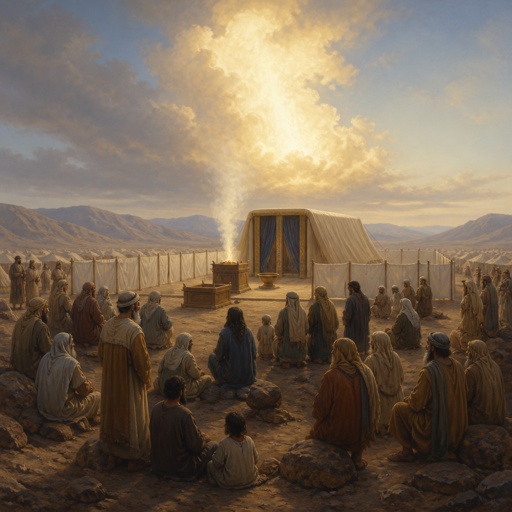
"¶ And I will dwell among the children of Israel, and will be their God." - Exodus 29:45

Psalms 45:12 - "And the daughter of Tyre shall be there with a gift; even the rich among the people shall intreat thy favour."

Genesis 45:12 - "And, behold, your eyes see, and the eyes of my brother Benjamin, that it is my mouth that speaketh unto you."

Exodus 12:12

Ezekiel 45:12 - "And the shekel shall be twenty gerahs: twenty shekels, five and twenty shekels, fifteen shekels, shall be your maneh."

Nehemiah 12:45 - "And both the singers and the porters kept the ward of their God, and the ward of the purification, according to the commandment of David, and of Solomon his son."

Luke 12:45 - "But and if that servant say in his heart, My lord delayeth his coming; and shall begin to beat the menservants and maidens, and to eat and drink, and to be drunken;"

"And he that seeth me seeth him that sent me." - John 12:45

Isaiah 45:12 - "I have made the earth, and created man upon it: I, even my hands, have stretched out the heavens, and all their host have I commanded."

Exodus 3:12

Exodus 3:12

Exodus 3:12

Exodus 3:12

Exodus 3:12

Exodus 12:33

Exodus 12:7

Exodus 10:12
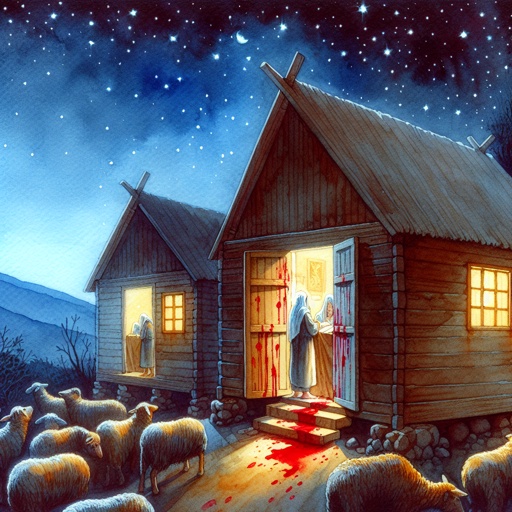
Exodus 12:13

Exodus 10:12

Exodus 3:12

Exodus 10:12

Exodus 3:12

Exodus 12:7

Exodus 12:1-19

Exodus 39:12 - "And the third row, a ligure, an agate, and an amethyst."

Exodus 31:12 - "¶ And the LORD spake unto Moses, saying,"