One Law for All: Embracing Inclusivity in God's Family
“One law shall be to him that is homeborn, and unto the stranger that sojourneth among you.” — Exodus 12:49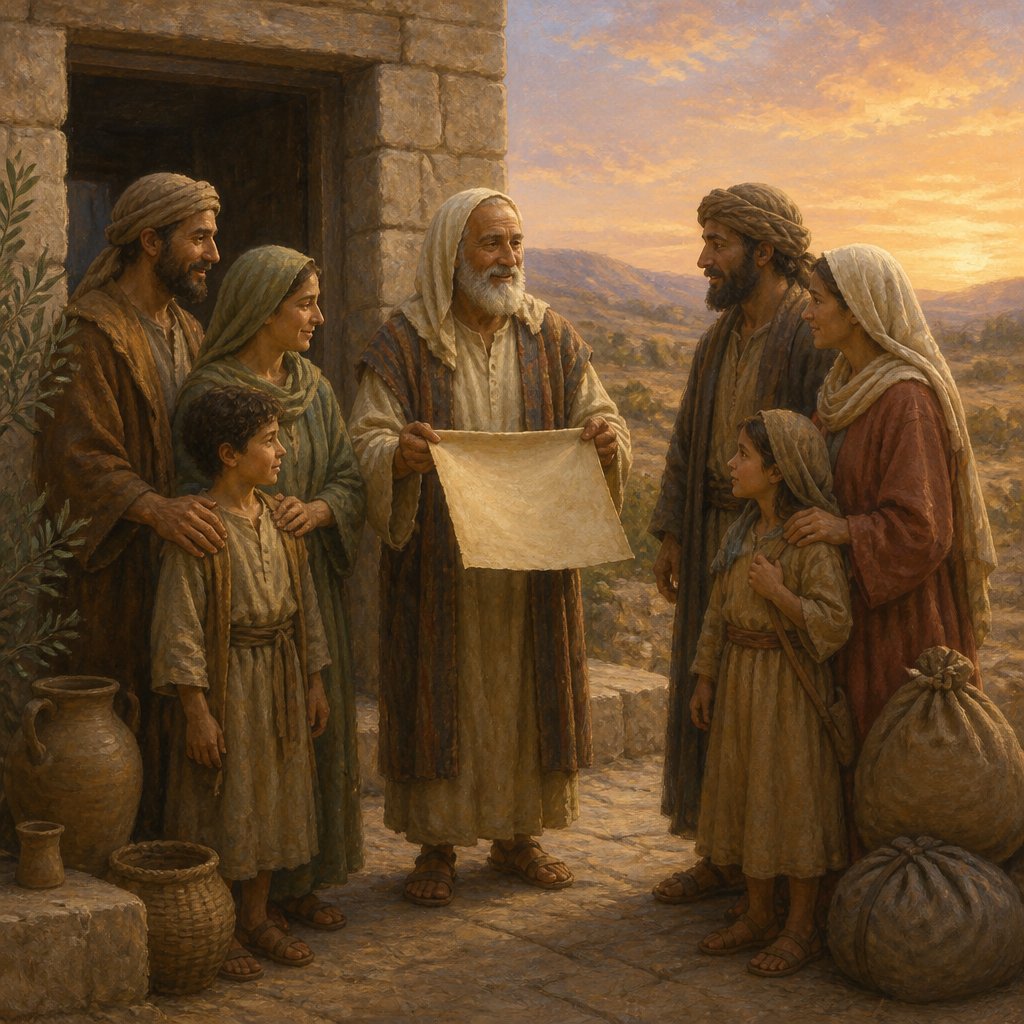
Exodus 12:49 states, "One law shall be to him that is homeborn, and unto the stranger that sojourneth among you." This verse, encapsulated within the narrative of the Passover and the establishment of Israel's covenant with God, speaks profoundly to the essence of God’s vision for His people—a vision that transcends nationality, race, and social status.
In the context of Exodus, the Israelites are on the brink of liberation from the bonds of slavery in Egypt. As God commands them to prepare for their exodus, He institutes a series of laws surrounding the observance of Passover. It is within this framework that He emphasizes equality among His people, asserting that both the native-born Israelite and the foreigner residing among them are bound by the same divine law. This speaks to a profound theological truth: God's love and covenant extend beyond biological lineage and cultural borders, inviting all who seek refuge and relationship into His family.
Historically, the Israelites often saw themselves as distinct from the nations surrounding them. Yet, here in Exodus, God challenges this exclusivity. He reminds them that the stranger, or the foreigner—those who may not share their bloodline or heritage—are to be treated with the same dignity and respect as the homeborn Israelite. This inclusivity is critical to understanding the heart of God, who desires that everyone should have access to His grace and truth.
This verse also represents an early formation of what we might call social justice in God’s law. It breaks down barriers of privilege and prioritizes compassion and equality. In modern applications, it serves as a reminder for us to assess how we treat those who are different from ourselves—those whom we might consider strangers, outsiders, or even marginalized within our communities. How do we love our neighbors? Do our actions reflect the inclusive nature of God's kingdom?
Reflect on how Jesus embodies this principle in His ministry. He frequently reached across social and ethnic divides, engaging with Samaritans, tax collectors, and sinners. By doing so, He reiterates God’s message from Exodus 12:49: Everyone is worthy of grace and deserves to be welcomed into the fold of God’s family. Jesus' radical love for the marginalized points us back to the heart of God's law—love transcends barriers.
Moreover, the call to care for the stranger is echoed throughout scripture. Leviticus 19:34 states, "But the stranger that dwelleth with you shall be unto you as one born among you, and thou shalt love him as thyself; for ye were strangers in the land of Egypt: I am the Lord your God." God reminds the Israelites of their own history as strangers in a foreign land, motivating them to act with compassion and empathy.
As believers today, we are confronted with a world increasingly divided by differences. Politics, culture, race, and religious beliefs often create barriers that lead to hatred and division. God’s call in Exodus 12:49 implores us to remember that in His eyes, we are all equal. As we engage in our communities, let us reflect on how we can create inclusive spaces that mirror God's heart.
In practice, this may involve reaching out to those who are different from us—inviting someone new to our circle, actively listening to narratives outside our own experience, or advocating for justice on behalf of the marginalized. Each step we take to embody inclusivity not only honors God’s design but actively participates in His kingdom work.
In conclusion, Exodus 12:49 is not merely a historical directive; it is a timeless call for unity in diversity. One law for both the homeborn and the stranger signifies God’s relentless pursuit of every individual. As we strive to embody this principle within our lives, may we one day hear, "Well done, thou good and faithful servant," for each act of love and each bridge we build within our communities reflects the heart of our God.
Get our apps


Artwork for Exodus 12:49

Exodus 12:49 - "One law shall be to him that is homeborn, and unto the stranger that sojourneth among you."

"One law shall be to him that is homeborn, and unto the stranger that sojourneth among you." - Exodus 12:49

Luke 12: 49

Genesis 49:12 - "His eyes shall be red with wine, and his teeth white with milk."
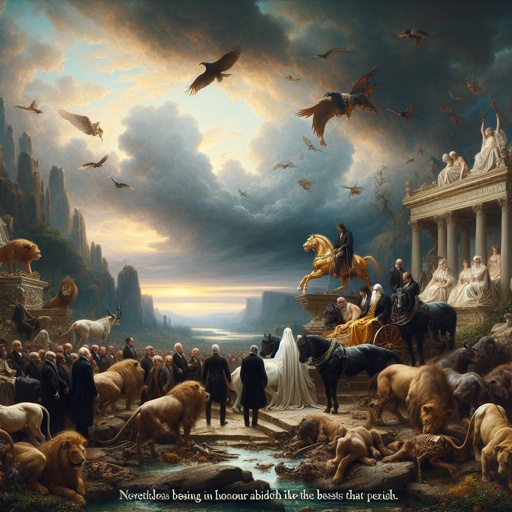
Psalms 49:12 - "Nevertheless man being in honour abideth not: he is like the beasts that perish."

Luke 12:49 - "¶ I am come to send fire on the earth; and what will I, if it be already kindled?"

Isaiah 49:12 - "Behold, these shall come from far: and, lo, these from the north and from the west; and these from the land of Sinim."

Matthew 12:49 - "And he stretched forth his hand toward his disciples, and said, Behold my mother and my brethren!"

Exodus 12:12

John 12:49 - "For I have not spoken of myself; but the Father which sent me, he gave me a commandment, what I should say, and what I should speak."

"His eyes shall be red with wine, and his teeth white with milk." - Genesis 49:12

"Nevertheless man being in honour abideth not: he is like the beasts that perish." - Psalms 49:12

Exodus 3:12

Exodus 3:12

Exodus 3:12

Exodus 3:12

Exodus 3:12

Exodus 12:33

Exodus 10:12

Exodus 12:7
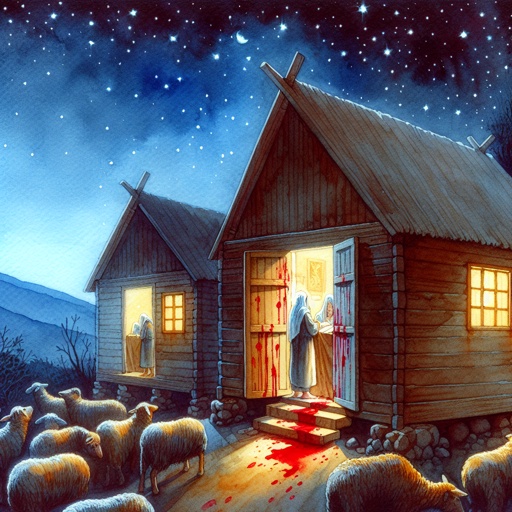
Exodus 12:13

Exodus 10:12

Exodus 10:12

Exodus 3:12

Exodus 3:12

Exodus 12:7

"¶ I am come to send fire on the earth; and what will I, if it be already kindled?" - Luke 12:49

Exodus 12:1-19

Jeremiah 49:12 - "For thus saith the LORD; Behold, they whose judgment was not to drink of the cup have assuredly drunken; and art thou he that shall altogether go unpunished? thou shalt not go unpunished, but thou shalt surely drink of it."

Exodus 39:12 - "And the third row, a ligure, an agate, and an amethyst."