What does Exodus 12:49 mean?
“One law shall be to him that is homeborn, and unto the stranger that sojourneth among you.” — Exodus 12:49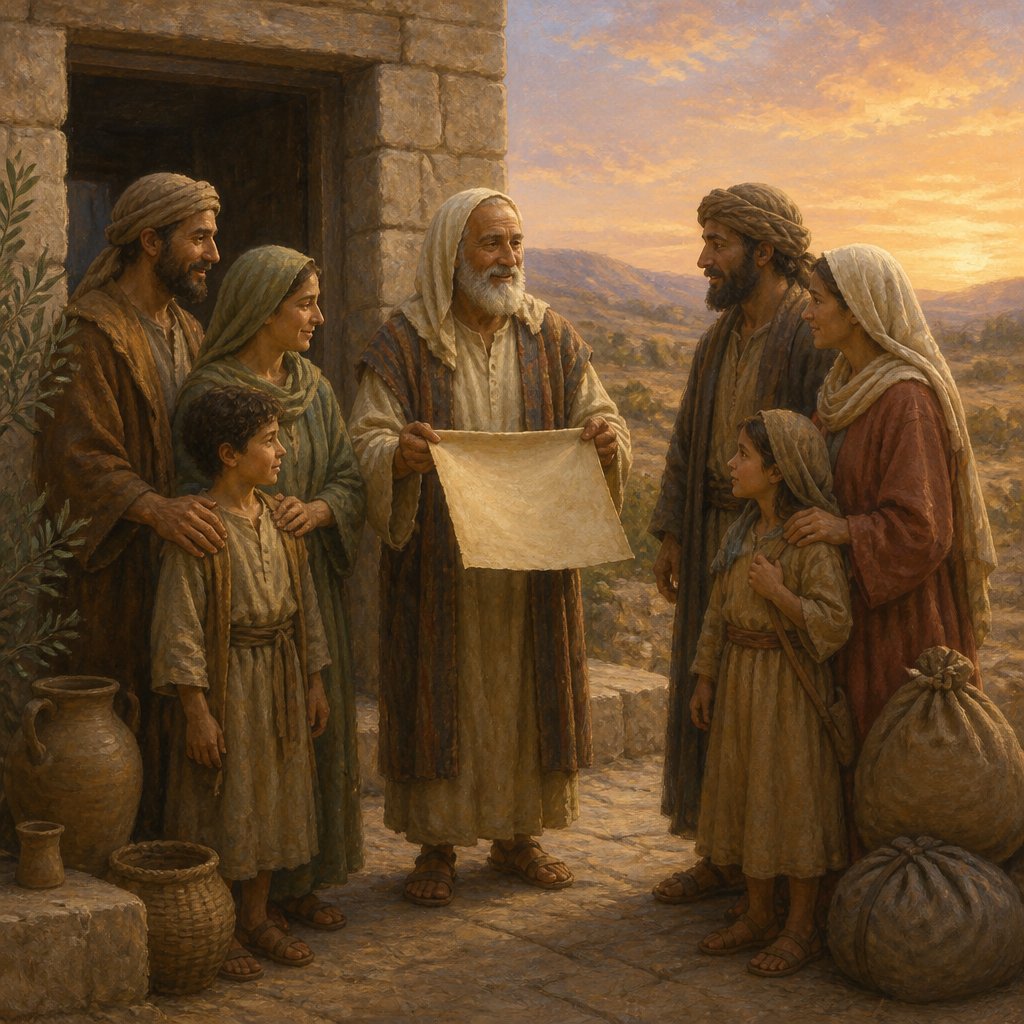
Exodus 12:49 states, "One law shall be to him that is homeborn, and unto the stranger that sojourneth among you." This verse is part of the larger context of the institution of the Passover in the book of Exodus. The Passover is a significant event in the history of the Israelites as it marked their deliverance from slavery in Egypt. The verse embodies the overarching theme of equality, inclusivity, and the importance of observing the same laws for both the native-born and the foreigner within the community.
The verse begins with the affirmation that "One law shall be to him," emphasizing the unity and equality of the law for all individuals regardless of their background or status. This concept of one law for all reflects the principle of justice and fairness within the community. It ensures that everyone is held to the same standard and is subject to the same guidelines, regardless of their origin or social standing.
The second part of the verse, "unto the stranger that sojourneth among you," underscores the inclusivity and acceptance of foreigners within the community. It recognizes the presence of sojourners or strangers who have chosen to dwell among the native-born residents. The verse emphasizes that the same law that applies to the native-born also extends to the sojourner, establishing a sense of equality, belonging, and communal responsibility.
In the broader context of the book of Exodus, this verse is significant as it reflects the foundational principles that govern the social, ethical, and moral fabric of the Israelite community. It is a reminder of the importance of treating others with fairness, compassion, and respect, regardless of their background or origin.
The themes of equality and inclusivity in Exodus 12:49 are relevant to contemporary society. In a world that is increasingly diverse and interconnected, the principle of treating all individuals equally and extending the same rights and opportunities to everyone, regardless of their background, is paramount. The verse serves as a timeless reminder of the importance of upholding these values in our interactions with others.
Furthermore, the verse also carries symbolic significance. It symbolizes the unity and oneness of the Israelite community, transcending barriers of nationality or ethnicity. It embodies the idea of a cohesive and harmonious society where all individuals are bound by the same moral and ethical standards. The inclusion of the stranger in this verse symbolizes the willingness to embrace diversity and the recognition of the value that different perspectives and experiences bring to the community.
In a broader theological context, the verse can also be interpreted as a representation of the universal message of God's love and justice. It speaks to the idea that God's law applies to all people, regardless of their background or circumstances. It reflects the divine principle of treating others with fairness and compassion, in alignment with the teachings of many religious traditions.
In conclusion, Exodus 12:49 is a powerful and poignant verse that promotes the principles of equality, inclusivity, and justice. It carries significant relevance in both its historical and contemporary contexts, serving as a reminder of the importance of upholding these values in our interactions with others. The verse also holds symbolic importance, representing the unity and inclusivity of the community, and the universal message of love and justice embodied in the divine law. Ultimately, Exodus 12:49 serves as a timeless and profound expression of the ethical and moral principles that guide human behavior and social relationships.
Get our apps


Artwork for Exodus 12:49

Exodus 12:49 - "One law shall be to him that is homeborn, and unto the stranger that sojourneth among you."

"One law shall be to him that is homeborn, and unto the stranger that sojourneth among you." - Exodus 12:49

Luke 12: 49

Genesis 49:12 - "His eyes shall be red with wine, and his teeth white with milk."
Psalms 49:12 - "Nevertheless man being in honour abideth not: he is like the beasts that perish."

Luke 12:49 - "¶ I am come to send fire on the earth; and what will I, if it be already kindled?"

Isaiah 49:12 - "Behold, these shall come from far: and, lo, these from the north and from the west; and these from the land of Sinim."

Matthew 12:49 - "And he stretched forth his hand toward his disciples, and said, Behold my mother and my brethren!"

Exodus 12:12

John 12:49 - "For I have not spoken of myself; but the Father which sent me, he gave me a commandment, what I should say, and what I should speak."

"His eyes shall be red with wine, and his teeth white with milk." - Genesis 49:12

"Nevertheless man being in honour abideth not: he is like the beasts that perish." - Psalms 49:12

Exodus 3:12

Exodus 3:12

Exodus 3:12

Exodus 3:12

Exodus 3:12

Exodus 12:33

Exodus 10:12

Exodus 12:7
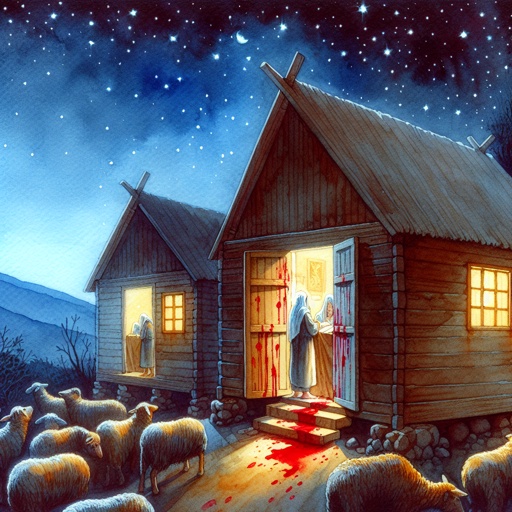
Exodus 12:13

Exodus 10:12

Exodus 10:12

Exodus 3:12

Exodus 3:12

Exodus 12:7

"¶ I am come to send fire on the earth; and what will I, if it be already kindled?" - Luke 12:49

Exodus 12:1-19

Jeremiah 49:12 - "For thus saith the LORD; Behold, they whose judgment was not to drink of the cup have assuredly drunken; and art thou he that shall altogether go unpunished? thou shalt not go unpunished, but thou shalt surely drink of it."

Exodus 39:12 - "And the third row, a ligure, an agate, and an amethyst."