The Sign and Memorial: Remembering God's Deliverance
“And it shall be for a sign unto thee upon thine hand, and for a memorial between thine eyes, that the LORD’s law may be in thy mouth: for with a strong hand hath the LORD brought thee out of Egypt.” — Exodus 13:9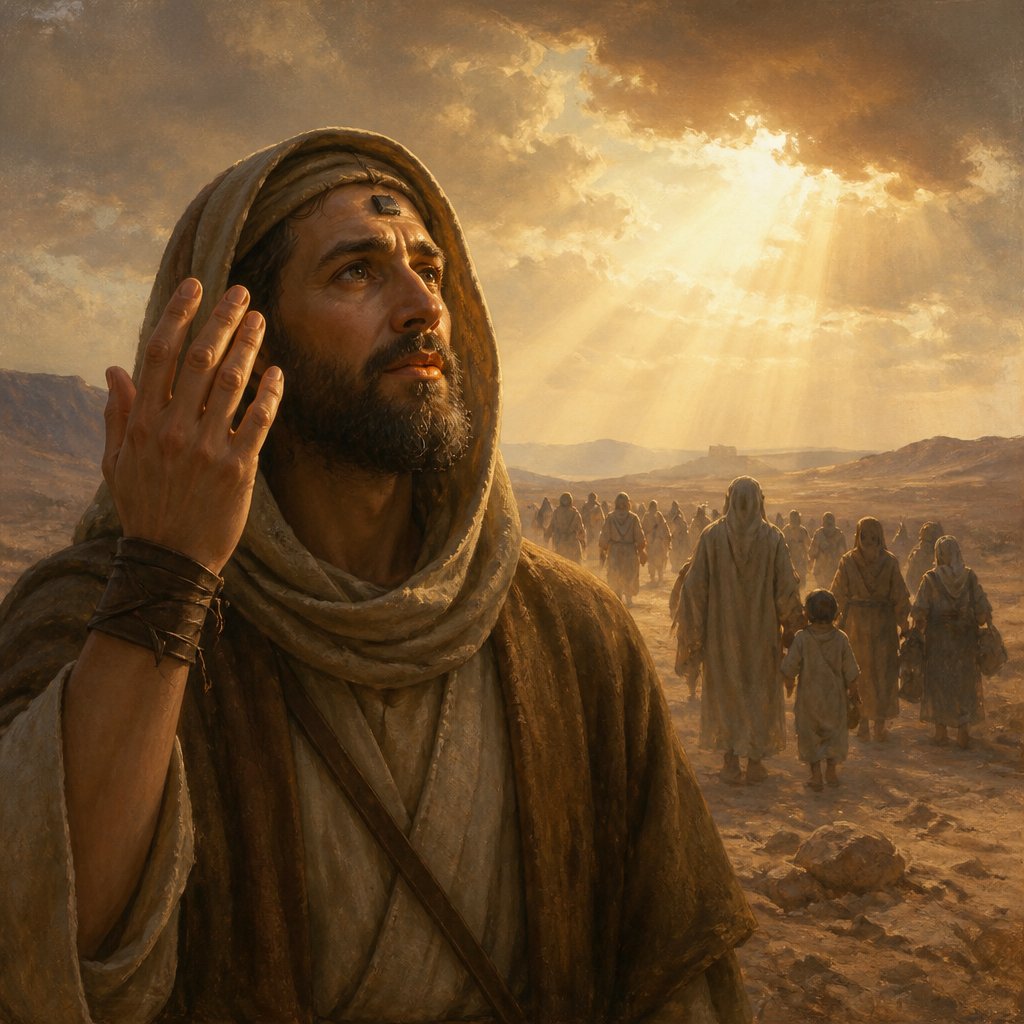
In Exodus 13:9, we encounter a profound directive from God that speaks to the heart of our faith and the centrality of remembrance in our relationship with Him. The verse states, "And it shall be for a sign unto thee upon thine hand, and for a memorial between thine eyes, that the LORD'S law may be in thy mouth: for with a strong hand hath the LORD brought thee out of Egypt." This passage is steeped in rich symbolism and serves as a powerful reminder of God’s unwavering presence in our lives.
First, let us unpack the phrase, "a sign unto thee upon thine hand, and for a memorial between thine eyes." In ancient Jewish tradition, this command manifested in the practice of wearing phylacteries, or tefillin. These boxes contained sections of the Torah, and observant Jews would bind them to their foreheads and arms, physically embodying the commandment to remember God's law and His mighty acts of salvation. The act of placing these signs upon their hands and between their eyes illustrates a deep commitment to ensuring that God’s word permeates every facet of their lives, guiding their actions and thoughts.
This emphasis on the hand and forehead symbolizes something essential: the directive is meant to be visible and ever-present in the daily lives of God’s people. The hands represent our actions and deeds – everything we do ought to reflect our covenant with God and His commandments. Likewise, the space between our eyes symbolizes our thoughts, intentions, and attitude. God desires that His teachings direct not only our actions but also shape our very identity and worldview.
Next, we must meditate on the reason behind this directive: "for with a strong hand hath the LORD brought thee out of Egypt." Here, God reminds His people of their liberation from slavery. The journey from Egypt symbolizes not just a physical deliverance but a spiritual rebirth. God’s deliverance of Israel from bondage in Egypt is a powerful testament to His ability to rescue us from the depths of sin and despair. The strong hand of the Lord emphasizes His omnipotence and faithfulness. He acted decisively and powerfully, affirming that no situation is too daunting for Him. This recollection is not only history; it is a continuous promise for our own lives.
By encouraging His followers to remember this event, God is keenly aware of human forgetfulness. We often find ourselves in crisis, overwhelmed by life’s challenges and trials, and it is all too easy to forget the miracles we have already witnessed in our lives. Our circumstances can cloud our memories. Therefore, this injunction is a call to cultivate a habit of remembrance and thanksgiving.
Moreover, when we are called to have the Lord's law in our mouth, it speaks to the importance of proclamation. Not only should God's word be present in our hearts and minds, but we are also to share it verbally. This creates a cycle of remembrance. As we speak about God’s goodness and His laws, we reinforce their significance in our lives and invite others into the experience of His grace, much like the Israelites were to tell the story of their escape from Egypt to future generations.
In our present-day context, applications can vary. We might consider how we commemorate God’s deliverance in our own lives. As Christians, we have the ultimate sign of our deliverance through Jesus Christ. Our redemption from sin, darkness, and death is the greatest act of salvation that we can cling to. How can we actively remember this in our everyday lives?
As we move about our daily activities, let us be mindful of setting reminders—perhaps through scripture cards that we see throughout the day—or by maintaining conversations that reflect His goodness. We can engage in practices that stimulate remembrance, such as sharing testimonies or keeping a journal of God’s faithfulness. The deeper our understanding of our deliverance and the more we communicate it, the more it influences our behavior.
Ultimately, as we reflect on Exodus 13:9, let it stir within us a desire to etch God’s law upon our hands and our minds, a radiant testimony of His mighty hand in our lives. May we never forget the depth of our miraculous deliverance and always proclaim His goodness.
Get our apps


Artwork for Exodus 13:9

Exodus 13:9 - "And it shall be for a sign unto thee upon thine hand, and for a memorial between thine eyes, that the LORD'S law may be in thy mouth: for with a strong hand hath the LORD brought thee out of Egypt."
"And it shall be for a sign unto thee upon thine hand, and for a memorial between thine eyes, that the LORD'S law may be in thy mouth: for with a strong hand hath the LORD brought thee out of Egypt." - Exodus 13:9

The Plague of Hail - Exodus 9:13-35

The Plague of Hail - Exodus 9:13-35

The Plague of Hail - Exodus 9:13-35

The Plague of Hail - Exodus 9:13-35

Exodus 9:13 - "¶ And the LORD said unto Moses, Rise up early in the morning, and stand before Pharaoh, and say unto him, Thus saith the LORD God of the Hebrews, Let my people go, that they may serve me."

Exodus 14:13

Exodus 14:13

Exodus 14:13

Exodus 14:13

Exodus 14:13

Exodus 14:13

Exodus 14:13
Exodus 14:13

Exodus 14:13
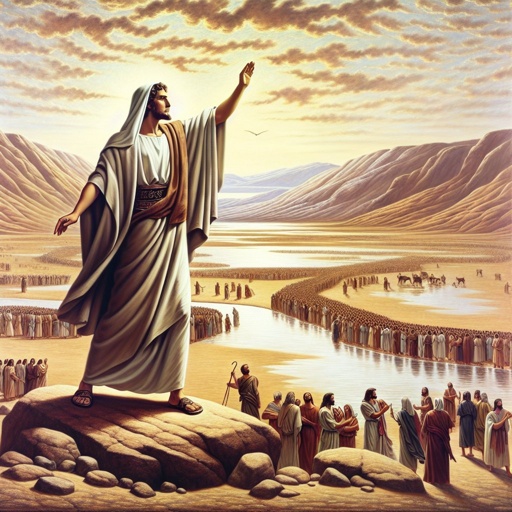
Exodus 14:13

Exodus 14:13
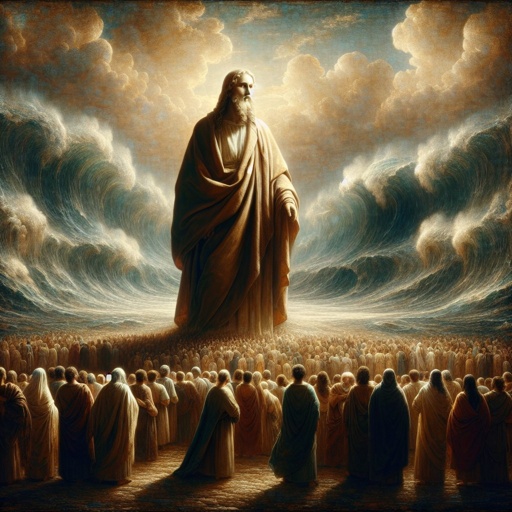
Exodus 14:13

Exodus 14:13
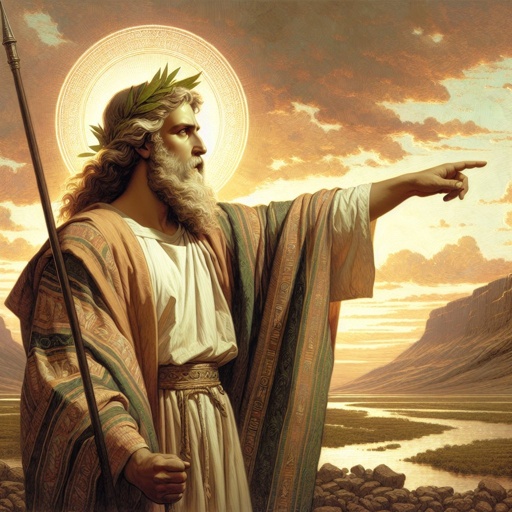
Exodus 14:13

Exodus 14:13

Exodus 14:13

Exodus 14:13

Exodus 14:13

Exodus 14:13

Exodus 12:13

Exodus 14:13

Exodus 14:13

Exodus 14:13