The Song of Triumph: Celebrating God's Victory
“Then sang Moses and the children of Israel this song unto the LORD, and spake, saying, I will sing unto the LORD, for he hath triumphed gloriously: the horse and his rider hath he thrown into the sea.” — Exodus 15:1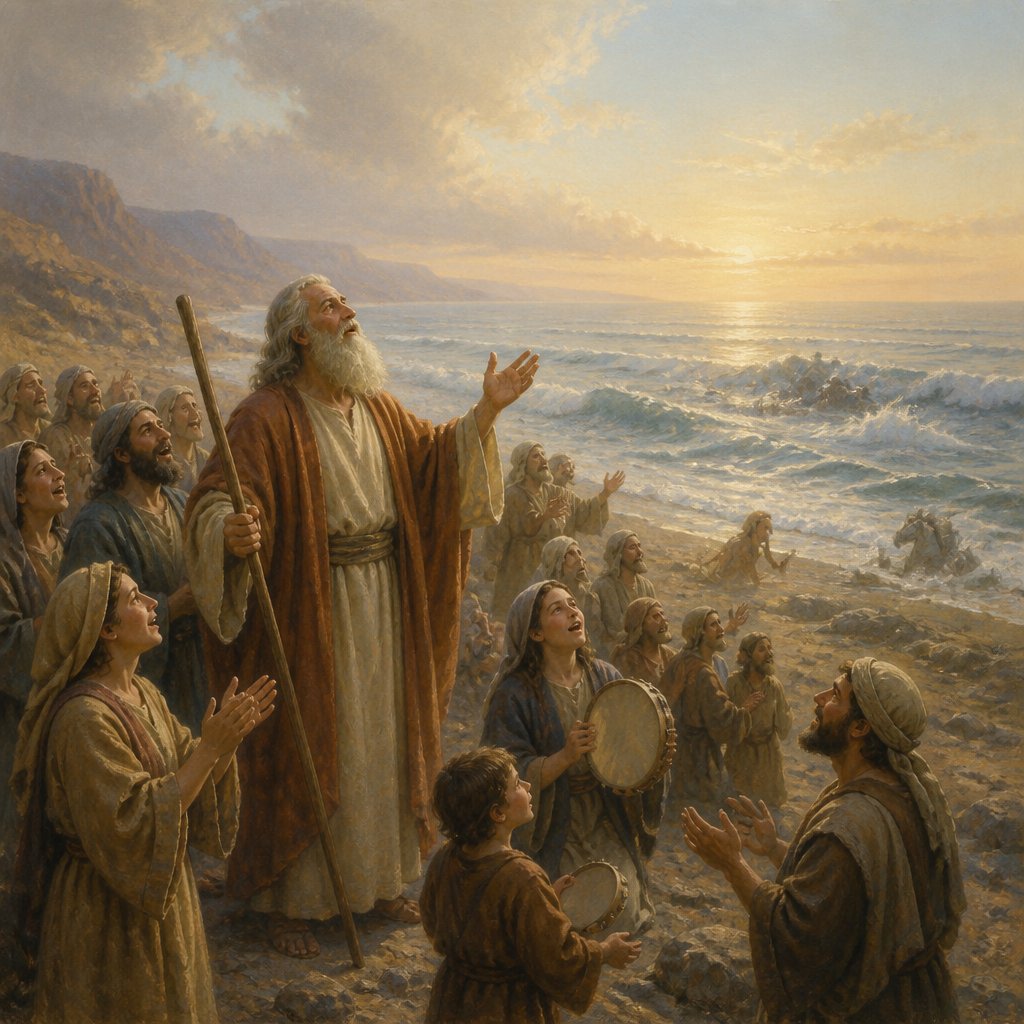
In Exodus 15:1, we find the jubilant declaration of Moses and the Israelites as they respond to the miraculous deliverance from Egypt: "Then sang Moses and the children of Israel this song unto the LORD, and spake, saying, I will sing unto the LORD, for he hath triumphed gloriously: the horse and his rider hath he thrown into the sea." This verse encapsulates not only a historical moment in Israel's journey but also a profound principle that resonates through the ages—God's faithfulness and victory in the midst of adversity.
To fully appreciate this moment, we must reflect on the context preceding this song. The Israelites had just witnessed an extraordinary act of divine intervention. After years of slavery under the harsh rule of Pharaoh, they were set free, only to find themselves trapped between the Red Sea and the advancing Egyptian army. It was a moment of despair, fear, and uncertainty, a moment that seemed hopeless. Yet, in that dire instant, God instructed Moses to stretch out his rod over the sea, and the waters parted, creating dry land for His people to cross. Once the Israelites were safe, the waters returned, engulfing Pharaoh’s chariots and soldiers. This was not just a physical separation from captivity but also a spiritual awakening of the people to God’s sovereignty.
Moses’ song begins with a declaration of praise—"I will sing unto the LORD." This is a powerful affirmation of faith and purpose. Singing is an expression of joy, gratitude, and celebration. It signifies that in recognizing God’s triumph, the Israelites chose to respond not with silence or despair but with song, reinforcing the reality that joy in the Lord is a choice we can make, even amid challenges.
When Moses sings, "for he hath triumphed gloriously," he elevates the focus from individual struggles to God’s overarching victory. Each one of us faces personal battles—whether they be spiritual, emotional, relational, or physical—but the reminder here is clear: God has the ultimate victory. Our problems may seem insurmountable, yet singing His praises transforms our perspective. It shifts our eyes from our circumstances to the One who is greater than our circumstances.
The imagery of “the horse and his rider” represents the might and power of Pharaoh’s army—the epitome of world power at that time. Yet, in a moment of holy history, God demonstrated that no force is too mighty for Him. He casts down what seems powerful and confronts what threatens our freedom. This truth is a timeless comfort; the obstacles that threaten us today also fall before the glory of God.
Furthermore, the act of singing reflects the community aspect of worship. It was not just Moses alone who sang, but all the children of Israel. There is great significance in collective worship and testimony. When we gather to sing together, we remind each other of God’s faithfulness and inspire one another to keep trusting Him. During worship, we acknowledge that none of us walks alone; we share in each other’s victories and struggles alike. This corporate expression deepens our community and fortifies our faith.
In today’s world, where challenges can be overwhelming and despair lurks nearby, we, too, are called to remember and reflect on our own victories in Christ. What have we witnessed God do in our lives? How has He delivered us from the waters of hopelessness? Let us not be quiet or passive; instead, we are encouraged to lift our voices—individually and collectively—in celebration of God’s glorious triumphs. As we declare His goodness through song, we also proclaim that the God who fought for Israel fights for us today.
Thus, let Moses’ song echo in our hearts. Let it remind us of God’s past faithfulness while igniting hope for the future. Today, consider singing your own song of triumph—celebrating the victories God has won in your life and proclaiming His glory to those around you. For He is indeed worthy of all our praise.
Get our apps


Artwork for Exodus 15:1

Exodus 15:1 - "Then sang Moses and the children of Israel this song unto the LORD, and spake, saying, I will sing unto the LORD, for he hath triumphed gloriously: the horse and his rider hath he thrown into the sea."
"Then sang Moses and the children of Israel this song unto the LORD, and spake, saying, I will sing unto the LORD, for he hath triumphed gloriously: the horse and his rider hath he thrown into the sea." - Exodus 15:1

Exodus 28:15-30

Exodus 8:1-15

The Plague of Frogs - Exodus 8:1-15

The Plague of Frogs - Exodus 8:1-15

The Plague of Frogs - Exodus 8:1-15

The Plague of Frogs - Exodus 8:1-15

The Plague of Frogs - Exodus 8:1-15

Exodus 1:15 - "¶ And the king of Egypt spake to the Hebrew midwives, of which the name of the one was Shiphrah, and the name of the other Puah:"

exodus 15

Exodus 15:22

Exodus 15:23

Exodus 15:5
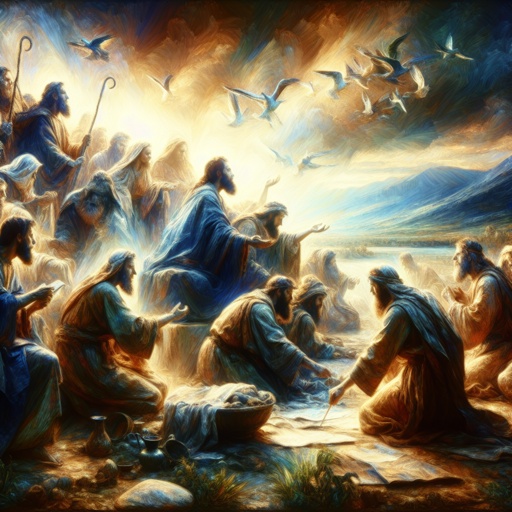
Exodus 15:23

Exodus 15:21

Exodus 20:15 - "Thou shalt not steal."

Exodus 15:18 - "The LORD shall reign for ever and ever."

Exodus 15:3 - "The LORD is a man of war: the LORD is his name."

Exodus 17:15 - "And Moses built an altar, and called the name of it Jehovah-nissi:"

Exodus 25:15 - "The staves shall be in the rings of the ark: they shall not be taken from it."
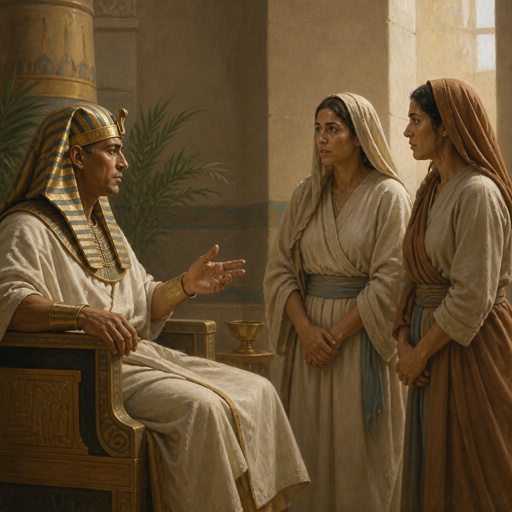
"¶ And the king of Egypt spake to the Hebrew midwives, of which the name of the one was Shiphrah, and the name of the other Puah:" - Exodus 1:15

Exodus 24:15 - "And Moses went up into the mount, and a cloud covered the mount."

Exodus 15:5 - "The depths have covered them: they sank into the bottom as a stone."

"Thou shalt not steal." - Exodus 20:15
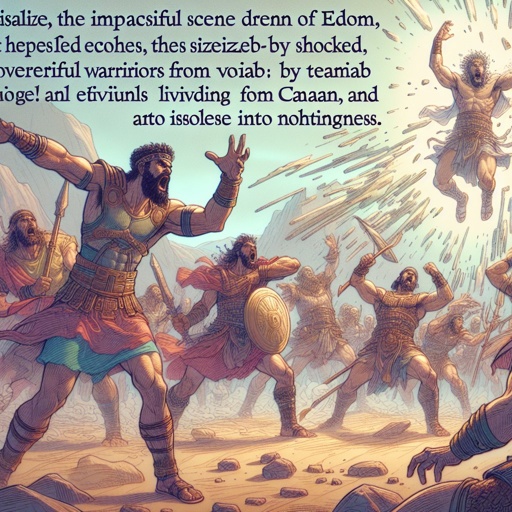
Exodus 15:15 - "Then the dukes of Edom shall be amazed; the mighty men of Moab, trembling shall take hold upon them; all the inhabitants of Canaan shall melt away."

Exodus 26:15 - "¶ And thou shalt make boards for the tabernacle of shittim wood standing up."

Exodus 39:15 - "And they made upon the breastplate chains at the ends, of wreathen work of pure gold."

Exodus 15:24 - "And the people murmured against Moses, saying, What shall we drink?"

Exodus 15:12 - "Thou stretchedst out thy right hand, the earth swallowed them."