The Blessings of Tribes: A Reflection on Exodus 1:3
“Issachar, Zebulun, and Benjamin,” — Exodus 1:3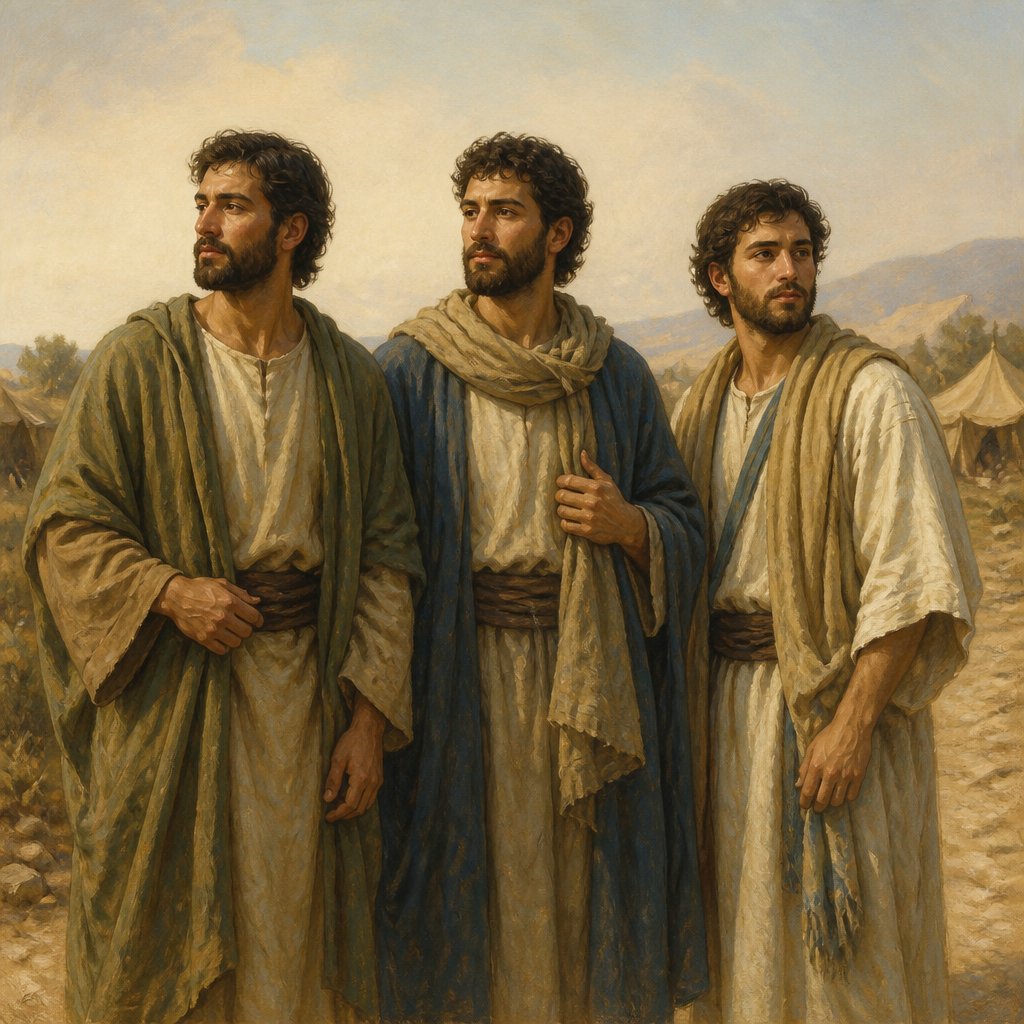
In the book of Exodus, we find a genealogy that carries countless implications and lessons for us today. In particular, Exodus 1:3 states, "Issachar, Zebulun, and Benjamin" amidst the listing of the sons of Jacob who came to Egypt. On the surface, we might just see a simple mention of names, but beneath this surface lies a profound truth about identity, heritage, and purpose in God’s grand narrative.
The mention of these tribes—Issachar, Zebulun, and Benjamin—reminds us of God’s faithful promises throughout generations. When Jacob blessed his sons before his death, he spoke unique destinies into their lives. For example, Issachar was portrayed as a strong-boned donkey, destined for laborious work but also significant wisdom: "Issachar is a strong ass crouching down between two burdens” (Genesis 49:14). This imagery teaches us about the value of hard work and study. In our Christian walk, sometimes it feels like we carry burdens, yet we are called to lean into our responsibilities, working diligently for the Lord.
Zebulun, on the other hand, was promised to dwell by the sea and become a haven for ships (Genesis 49:13). This speaks of opportunities and expansion—of taking risks, embracing ventures, and creating a space for others. How do we respond to the call to venture into the unknown? Are we willing to navigate uncharted waters in faith, trusting that God will guide our ships safely to the destination? Zebulun encourages us to embrace our calling to marketplace ministries and to reach out to the community around us, becoming a blessing to those in need and extending our nets for the harvest.
Then, we have Benjamin, the youngest and beloved son of Rachel. His name means “son of the right hand,” signifying power and honor. Benjamin's lineage would carry significant weight in the history of Israel, as Saul, the first king, hailed from this tribe. His inclusion in the verse demonstrates that all roles in God’s plan are important, whether prominent or humble. Each tribe carries a distinct identity, and this includes us—the Body of Christ. We each have unique gifts and purposes that contribute to the greater whole. God’s design is intentional, and every person matters in the kingdom work.
As we meditate on the mention of these tribes, let’s reflect on our own identity. What burdens have we taken on? Are we as diligent as Issachar, slow to claim our wisdom but quick to justify laziness? Are we willing to step out like Zebulun into possibilities that God places before us? Or do we embrace our identity like Benjamin, knowing that we hold a place of honor and significance in our family, church, and community?
Moreover, this verse is a powerful reminder that our past influences our present and shapes our future. The Israelites were journeying into Egypt, a land where they would multiply and grow into a great nation. They were not yet aware of the trials ahead, but God had already set the stage for a deliverance that would define history. Similarly, we may not fully grasp the significance of our trials or triumphs today, but we must trust that God sees the whole picture.
In recognizing our roots—our spiritual lineage as heirs to the promises made long ago—we find confidence in moving forward. Just as Jacob imparted blessings to his sons, we too are blessed to be a blessing. Let us embrace our calling, our struggles, and our identities as we navigate life’s journey.
In conclusion, let us take comfort and strength from Exodus 1:3. As we look towards the future, may we take pride in the legacies we continue, the blessings we bestow, and the collective identity we share as God’s children, preparing to fulfill His glorious purpose in our lives.
Get our apps


Artwork for Exodus 1:3

Exodus 1:3 - "Issachar, Zebulun, and Benjamin,"
"Issachar, Zebulun, and Benjamin," - Exodus 1:3

exodus 3

Exodus 17:3

exodus 3:14

Exodus 17:3
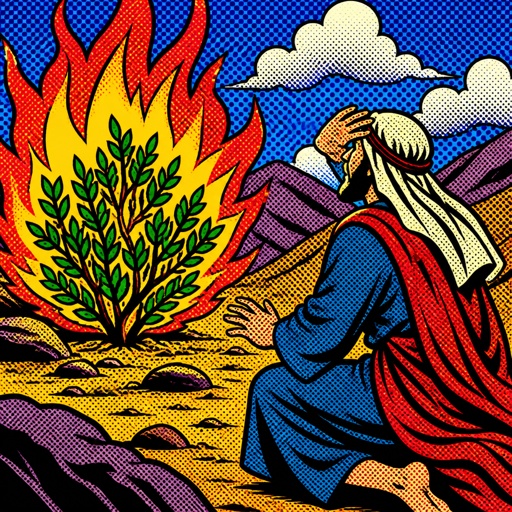
Create a pop art interpretation of the biblical passage from Exodus 3:1
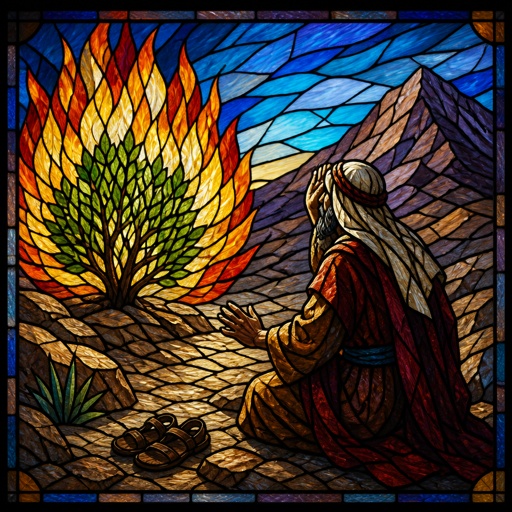
Create a stained glass interpretation of the biblical passage from Exodus 3:1
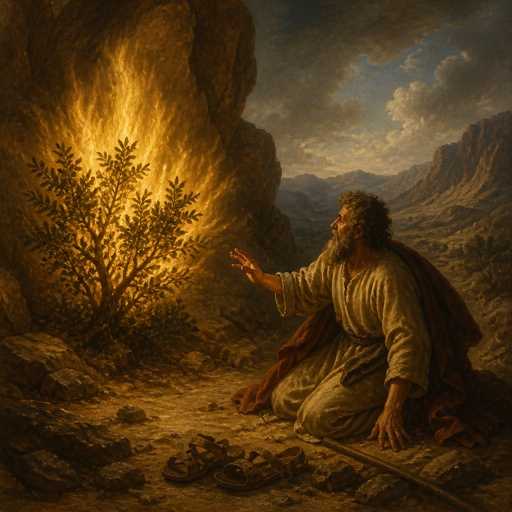
exodus 3

Exodus 3:1 - "Now Moses kept the flock of Jethro his father in law, the priest of Midian: and he led the flock to the backside of the desert, and came to the mountain of God, even to Horeb."

Exodus 3:12

Exodus 3:12

Exodus 3:12

Exodus 3:12

Exodus 3:12
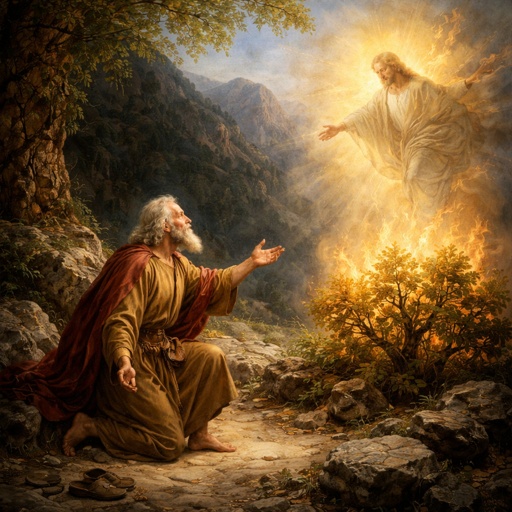
exodus 3:11

Exodus 3:14

Exodus 3:14

Exodus 3:14

Exodus 3:14

Exodus 3:12

Exodus 3:12

exodus 27:3 forks

Exodus 3:3 - "And Moses said, I will now turn aside, and see this great sight, why the bush is not burnt."

Exodus 15:3 - "The LORD is a man of war: the LORD is his name."

Exodus 20:3 - "Thou shalt have no other gods before me."
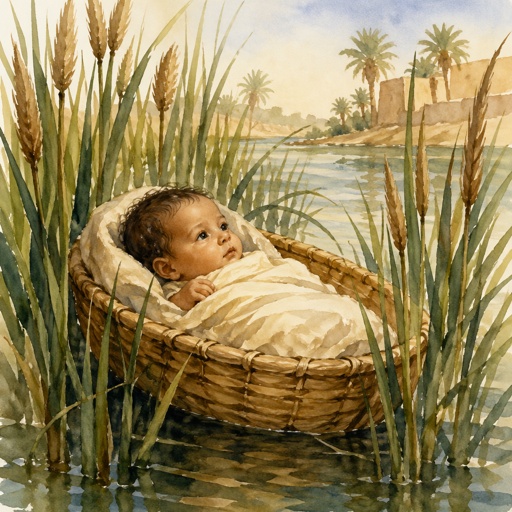
Exodus 2:3 baby Moses in bulrushes

Exodus 21:2-3 If thou buy an Hebrew servant, six years he shall serve: and in the seventh he shall go out free for nothing. (3) If he came in by himself, he shall go out by himself: if he were married, then his wife shall go out with him.

Exodus 23:3 - "¶ Neither shalt thou countenance a poor man in his cause."

Exodus 3:2 – "There the angel of the Lord appeared to him in flames of fire from within a bush."