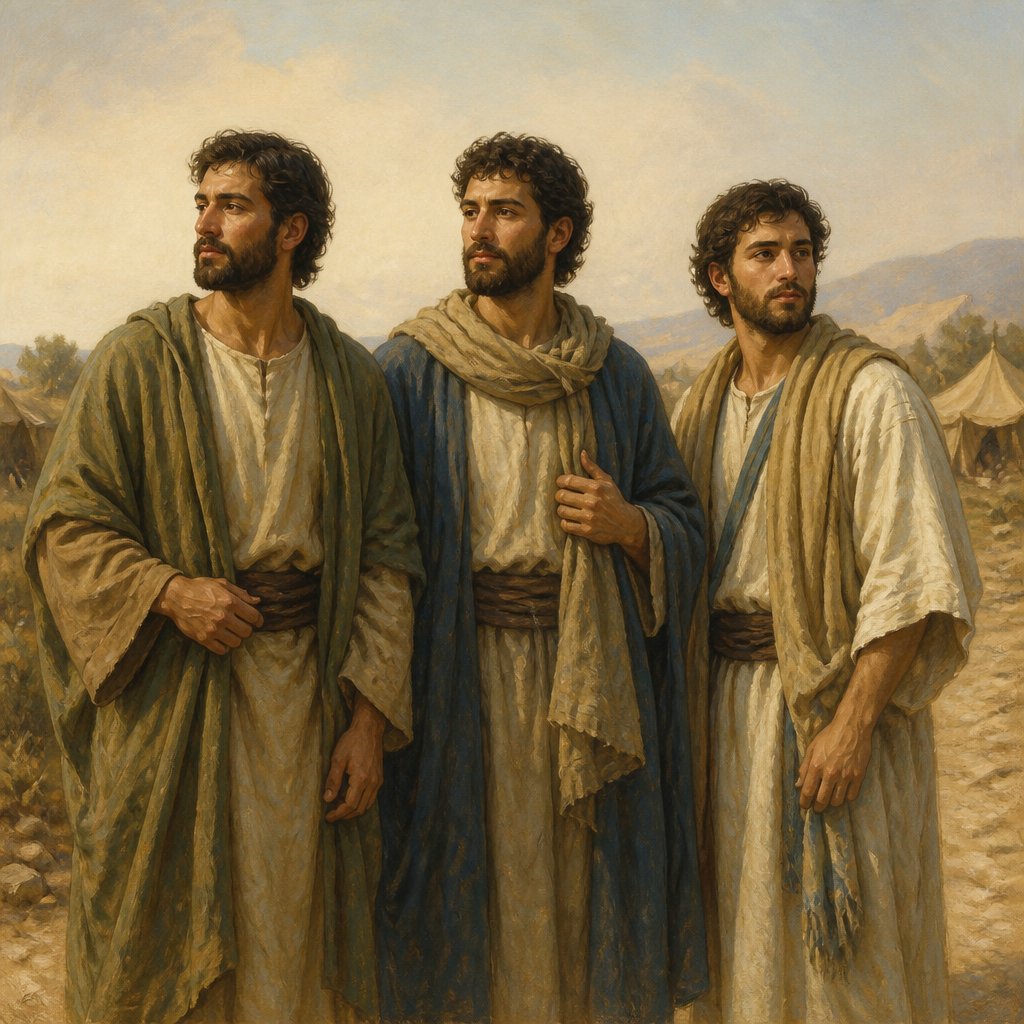
Exodus 1:3 (KJV) - "Issachar, Zebulun, and Benjamin,"
The verse Exodus 1:3 contains a list of three of the sons of Jacob who, along with their brothers, were the founding members of the twelve tribes of Israel. This verse serves as a transition between the introduction of the book of Exodus, which outlines the descent of Jacob's family into Egypt, and the subsequent narrative of their enslavement and deliverance.
The book of Exodus is the second book of the Torah, and it continues the historical narrative that began in the book of Genesis. The focus of Exodus is the liberation of the Israelites from slavery in Egypt, their forty years of wandering in the wilderness, and the establishment of the covenant between God and the people of Israel at Mount Sinai. The list of the sons of Jacob in Exodus 1:1-4 sets the stage for the events that will unfold in the rest of the book.
As with many verses in the Bible, there are several layers of meaning and symbolism that can be unpacked from Exodus 1:3. On a literal level, the verse simply lists the names of three of Jacob's sons, continuing the genealogy that began in the previous verses. Issachar, Zebulun, and Benjamin were three of the twelve sons of Jacob, and their descendants would become the tribes of Israel, each with their own identity and role within the larger community.
On a deeper level, the inclusion of these specific names in the genealogy carries symbolic significance. In the biblical tradition, the names of individuals often carry meaning and reflect their character or destiny. Issachar, for example, means "wages" or "reward," which could be seen as a foreshadowing of the contributions that the tribe of Issachar would make to the community. Zebulun means "dwelling" or "exalted," suggesting a connection to land and a sense of spiritual elevation. Benjamin means "son of the right hand," indicating a position of favor or importance.
The placement of these names at the beginning of the book of Exodus also serves to highlight the continuity of God's promise and the fulfillment of his covenant with the descendants of Jacob. Despite the hardships and challenges that the Israelites would face in the coming chapters, the listing of these names serves as a reminder of the enduring nature of God's commitment to his people.
Additionally, the mention of these specific names may also have had significance for the original audience of the book of Exodus. The tribes of Israel were not merely historical entities, but were also representative of different aspects of the community of faith. Each tribe had its own territory, customs, and traditions, and the mention of these names would have resonated with readers who identified with these specific tribes.
In a broader theological sense, the inclusion of this genealogy in the book of Exodus points to the importance of heritage and lineage in the biblical narrative. Throughout the Bible, the concept of ancestry and the transmission of blessings from one generation to the next is a recurring theme. The genealogy of the tribes of Israel serves as a reminder of the faithfulness of God to his chosen people and the continuation of his plan for the redemption of humanity.
In conclusion, Exodus 1:3 may seem like a simple list of names at first glance, but upon closer examination, it reveals layers of meaning that contribute to the overall theological and narrative framework of the book of Exodus. The inclusion of these specific names serves to emphasize the continuity of God's promise, the significance of individual and tribal identities, and the overarching theme of God's faithfulness throughout the biblical narrative.
Get our apps


Artwork for Exodus 1:3

Exodus 1:3 - "Issachar, Zebulun, and Benjamin,"
"Issachar, Zebulun, and Benjamin," - Exodus 1:3

exodus 3

Exodus 17:3

exodus 3:14

Exodus 17:3
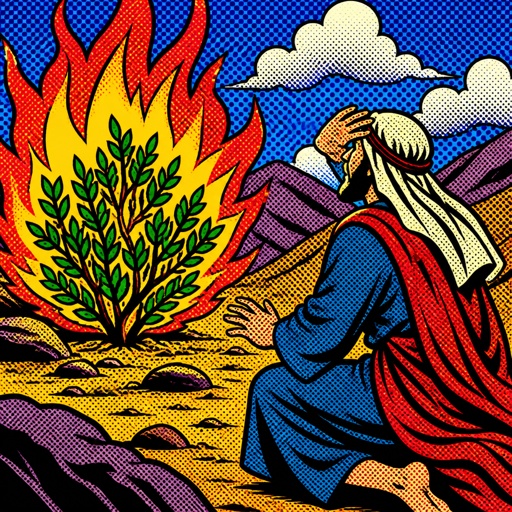
Create a pop art interpretation of the biblical passage from Exodus 3:1
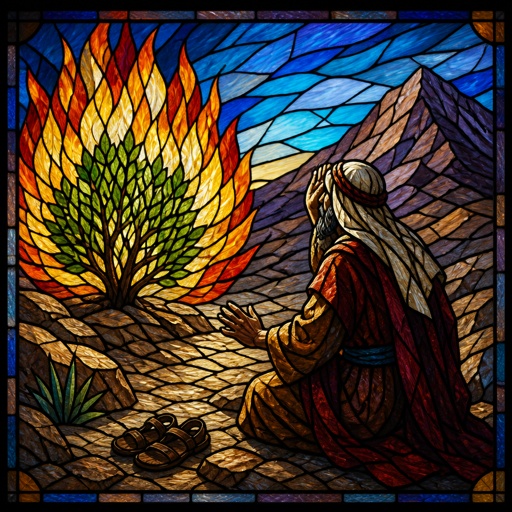
Create a stained glass interpretation of the biblical passage from Exodus 3:1
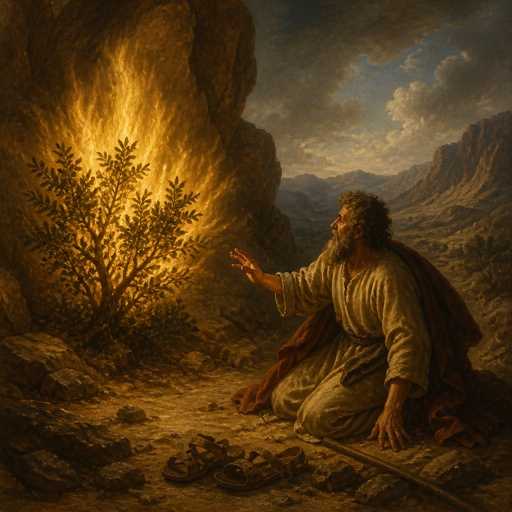
exodus 3

Exodus 3:1 - "Now Moses kept the flock of Jethro his father in law, the priest of Midian: and he led the flock to the backside of the desert, and came to the mountain of God, even to Horeb."

Exodus 3:12

Exodus 3:12

Exodus 3:12

Exodus 3:12

Exodus 3:12
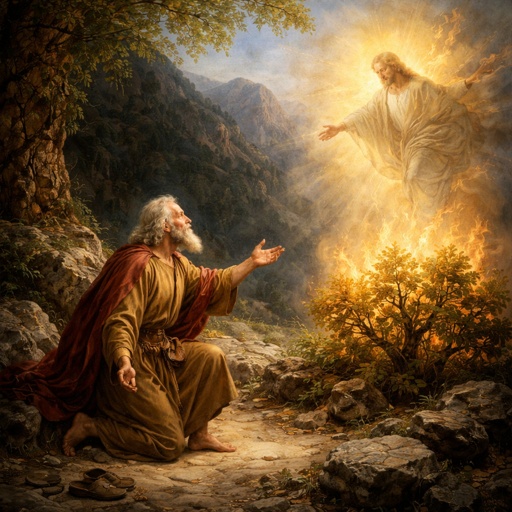
exodus 3:11

Exodus 3:14

Exodus 3:14

Exodus 3:14

Exodus 3:14

Exodus 3:12

Exodus 3:12

exodus 27:3 forks

Exodus 3:3 - "And Moses said, I will now turn aside, and see this great sight, why the bush is not burnt."

Exodus 15:3 - "The LORD is a man of war: the LORD is his name."

Exodus 20:3 - "Thou shalt have no other gods before me."
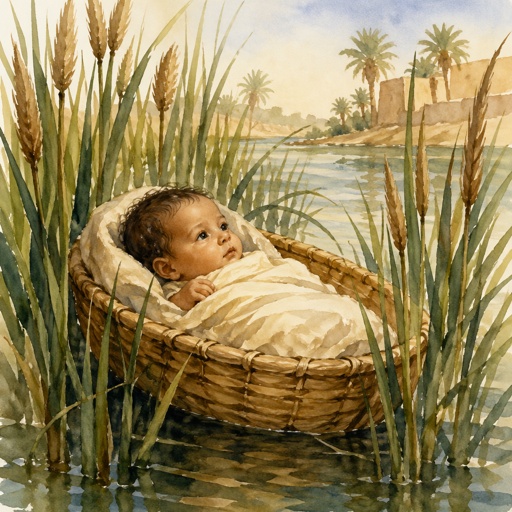
Exodus 2:3 baby Moses in bulrushes

Exodus 21:2-3 If thou buy an Hebrew servant, six years he shall serve: and in the seventh he shall go out free for nothing. (3) If he came in by himself, he shall go out by himself: if he were married, then his wife shall go out with him.

Exodus 23:3 - "¶ Neither shalt thou countenance a poor man in his cause."

Exodus 3:2 – "There the angel of the Lord appeared to him in flames of fire from within a bush."