From Groaning to Glory: The God Who Remembers
“And it came to pass in process of time, that the king of Egypt died: and the children of Israel sighed by reason of the bondage, and they cried, and their cry came up unto God by reason of the bondage. And God heard their groaning, and God remembered his covenant with Abraham, with Isaac, and with Jacob. And God looked upon the children of Israel, and God had respect unto them.” — Exodus 2:23-25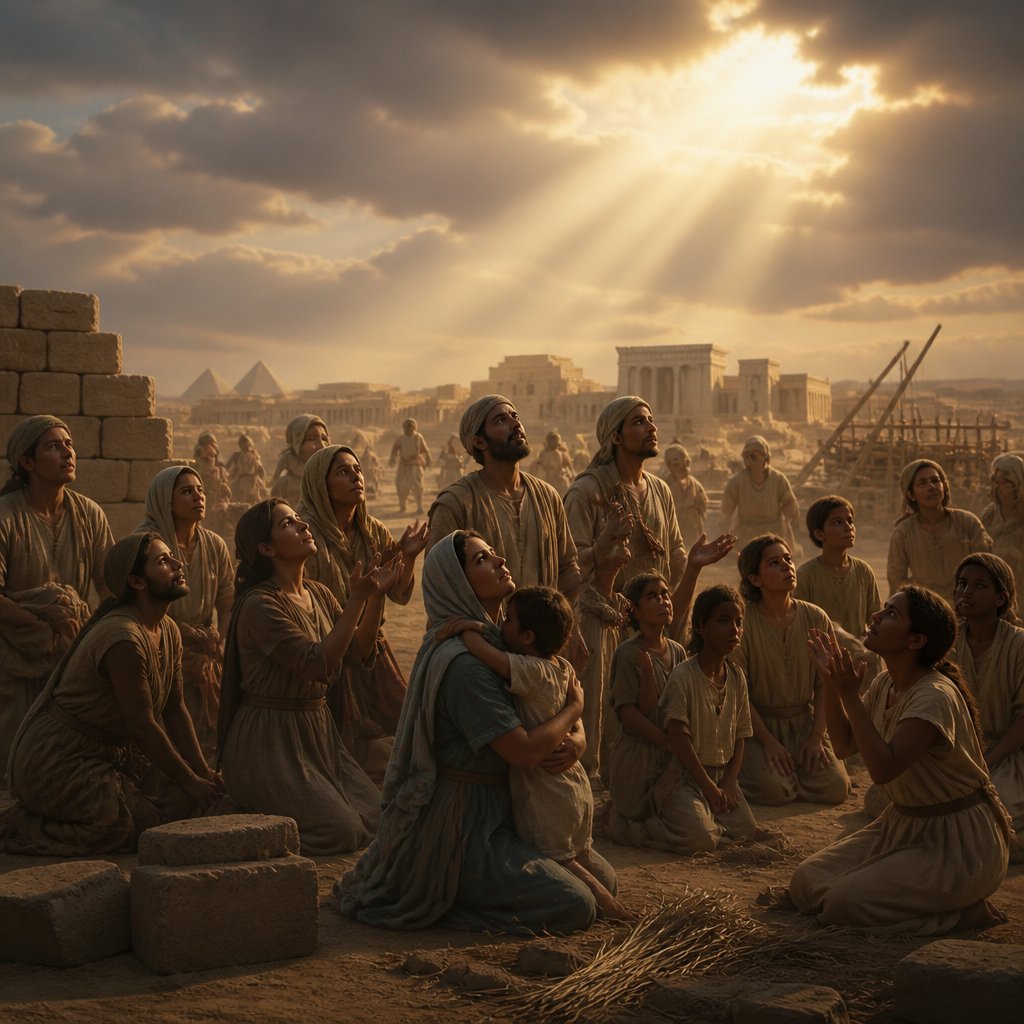
In Exodus 2:23-25 (KJV), we read: "And it came to pass in process of time, that the king of Egypt died: and the children of Israel sighed by reason of the bondage, and they cried, and their cry came up unto God by reason of the bondage. And God heard their groaning, and God remembered his covenant with Abraham, with Isaac, and with Jacob. And God looked upon the children of Israel, and God had respect unto them."
These verses come during a crucial juncture in biblical history, illustrating not only the plight of the Israelites but also the character of God—the one who hears, remembers, and reacts to our need. Here we see Israel enveloped in three distinct stages of suffering: bondage, groaning, and crying out. Each stage serves as a mirror reflecting Israel’s emotional and spiritual agony, reminiscent of our own experiences of struggle, pain, and despair.
The first stage, *bondage*, signifies not only the physical enslavement of the Israelites but also a spiritual bindings they endured under the tyrannical rule of Pharaoh. In life, we often find ourselves ensnared by various forms of bondage—be it sin, addiction, despair, or societal pressures. Bondage darkens our hearts, blinds our perspectives, and confines our spirit, just as it did for the Israelites. As they toiled under the oppressive weight of their labor, they inadvertently engaged in a brewing hope that someday freedom would come. Likewise, we are called to hope even amid our chains, trusting that God observes our struggles.
Next comes the *groaning*. This is not just a vocalization of pain but an expression of deep, visceral distress that arises from the soul's cry for relief. The Israelites sighed and groaned under their burdens, likely feeling forgotten and forsaken. Yet in their suffering, they instinctively looked to God. Therein lies a profound truth: recognition of our need is the first step in seeking divine assistance.
As believers, the act of groaning itself can serve as a prayerful cry to God, an opening of the portal for divine intervention. It’s a reminder that our cries do not go unheard; they ascend to God like sweet incense, catching His attention. God’s heart aches with our hearts, and in those moments of groaning, we are drawn closer to His compassionate nature.
The *crying out* phase signifies the culmination of their pain into a desperate plea for help. Scripture assures us that when we call upon God, He listens. He does not remain indifferent to our suffering; instead, He is moved by it. At the climax of Israel’s distress, God hears their cry, and this is pivotal. It isn’t merely hearing; it's about networking His memory with the covenant made with their forefathers—Abraham, Isaac, and Jacob. He remembers His promises.
The term ‘remember’ isn’t indicative of forgetfulness on God’s part. It is a relational term showing action on His behalf in response to His people’s plight. God sees us not just as individuals but as heirs to His promises through our faith. He is committed to His covenant and remains steadfast in His love even when everything appears bleak. His remembrance reassures the Israelites that they are not abandoned but are under the watchful eye of a covenant-keeping God.
Finally, in verse 25, we encounter the comforting notion that God not only looked upon the children of Israel but also had respect unto them. This is God’s profound concern that translates to action. In times of tribulation and trial, we can take great solace knowing that our suffering stirs the heart of God. He notices our plight and acts on our behalf. Through their suffering, Israel ultimately became the vessel of God's grand plan for deliverance.
In conclusion, Exodus 2:23-25 serves as a reminder to us today that in our darkest hours, we are not alone. God invites us to bring our bondages, our groanings, and our cries to Him. He hears, He remembers, and He acts. Let us hold fast to the promise that just as He was with the children of Israel, He is with us—today, tomorrow, and always. Therefore, when life's burdens become overwhelming, remember that God is attentive to our cries and actively engaged in our liberation and future restoration.
Get our apps


Artwork for Exodus 2:23-25

Exodus 2:23-25 - "During that long period, the king of Egypt died. The Israelites groaned in their slavery and cried out, and their cry for help because of their slavery went up to God. God heard their groaning and he remembered his covenant with Abraham, with Isaac and with Jacob. So God looked on the Israelites and was concerned about them."
"During that long period, the king of Egypt died. The Israelites groaned in their slavery and cried out, and their cry for help because of their slavery went up to God. God heard their groaning and he remembered his covenant with Abraham, with Isaac and with Jacob. So God looked on the Israelites and was concerned about them." - Exodus 2:23-25
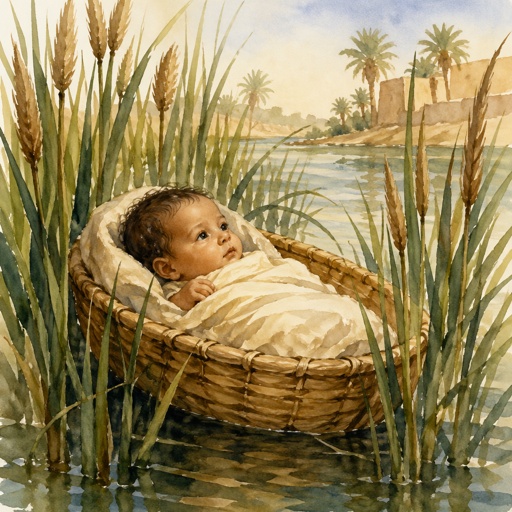
Exodus 2:3 baby Moses in bulrushes

2 Samuel 23:25 - "Shammah the Harodite, Elika the Harodite,"

Exodus 25:23 - "¶ Thou shalt also make a table of shittim wood: two cubits shall be the length thereof, and a cubit the breadth thereof, and a cubit and a half the height thereof."

Exodus 23:25 - "And ye shall serve the LORD your God, and he shall bless thy bread, and thy water; and I will take sickness away from the midst of thee."

Exodus 2:25 - "And God looked upon the children of Israel, and God had respect unto them."

"Shammah the Harodite, Elika the Harodite," - 2 Samuel 23:25

Exodus 2:5 Pharaoh's daughter walking down to the river with maids with river, reeds and basket in the picture

Exodus 2:23 - "¶ And it came to pass in process of time, that the king of Egypt died: and the children of Israel sighed by reason of the bondage, and they cried, and their cry came up unto God by reason of the bondage."

Exodus 25:2 - "Speak unto the children of Israel, that they bring me an offering: of every man that giveth it willingly with his heart ye shall take my offering."

Exodus 23:2 - "¶ Thou shalt not follow a multitude to do evil; neither shalt thou speak in a cause to decline after many to wrest judgment:"
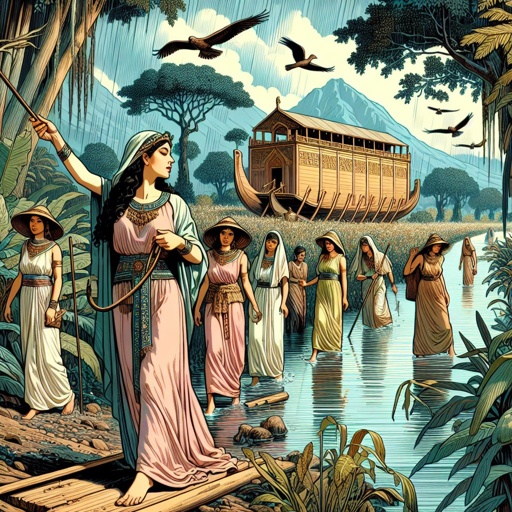
Exodus 2:5 - "¶ And the daughter of Pharaoh came down to wash herself at the river; and her maidens walked along by the river's side; and when she saw the ark among the flags, she sent her maid to fetch it."

Exodus 25:16

Exodus 25:31

Exodus 25:16

Exodus 25:8

Exodus 25:16

Matthew 25:23

Matthew 25:23

Genesis 25-23

Exodus 23:20

Exodus 23:4

Exodus 23:28

Exodus 15:23
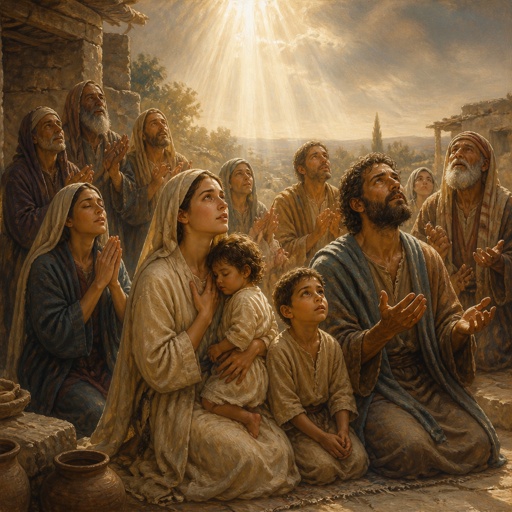
"And God looked upon the children of Israel, and God had respect unto them." - Exodus 2:25

Exodus 25:10-22

Exodus 23:4
Exodus 15:23

Exodus 23:28