
In our modern society, where violence can often seem rampant, the commandment found in Exodus 20:13, "Thou shalt not kill," reverberates with profound significance. This simple yet powerful directive, presented among the Ten Commandments, underscores not just a prohibition against taking life, but emphasizes the sanctity and dignity of human existence, which is made in the image of God (Genesis 1:27).
To fully appreciate the command, we must delve into its context. When God delivered the Ten Commandments to Israel, He was establishing a covenant community, one that was to reflect His character and holiness. The commandment against killing serves as a cornerstone for understanding the importance of life. The Hebrew word used here for 'kill' (רָצַח, ratsach) primarily refers to unlawful killing or murder, which distinguishes it from other forms of killing, such as in war or for self-defense. Thus, this command addresses the heart—the intentions and motivations that lead to the act of murder.
At its core, this commandment speaks to the intrinsic value of each human life. Each person, regardless of their status, abilities, or any societal labels, bears the image of God. As believers, it is crucial that we recognize this divine image in ourselves and in others. Our world often perpetuates a narrative that can devalue life—through anger, hate, and even indifference. Yet, in practicing love, mercy, and grace, we align ourselves with God's intention for humanity.
Jesus expands upon this commandment in Matthew 5:21-22. He says, "Ye have heard that it was said of old time, Thou shalt not kill; and whosoever shall kill shall be in danger of the judgment: But I say unto you, That whosoever is angry with his brother without a cause shall be in danger of the judgment..." This teaching highlights that the command against killing goes beyond the physical act to encompass our thoughts, feelings, and attitudes towards others. Anger, resentment, and hatred, if left unchecked, can lead us down a perilous path that may culminate in action.
As believers, we are called to a life of love and to cultivate seeds of kindness, forgiveness, and reconciliation. Paul writes in Ephesians 4:31-32:
"Let all bitterness, and wrath, and anger, and clamour, and evil speaking, be put away from you, with all malice: And be ye kind one to another, tenderhearted, forgiving one another, even as God for Christ's sake hath forgiven you." It is in embracing this mindset that we truly honor the commandment given to us.
Moreover, considering the effects of our words and actions can enable us to live more intentionally. One does not have to physically kill someone to kill their spirit or reputation through slander or malice. James 3:5-6 reminds us that the tongue is a powerful tool that can either uplift or destroy. Therefore, part of honoring "Thou shalt not kill" involves ensuring that our speech and deeds reflect the love of Christ.
Finally, we must also consider how this commandment calls us to advocate for life. As Christians, we have a responsibility to promote justice, mercy, and compassion in our communities. This involves standing against injustices that threaten life, supporting those who are vulnerable, and embodying the message of hope found in the Gospel. It requires action—not just abstaining from murder but also actively working to preserve and protect life in every form.
In conclusion, Exodus 20:13 is not just a simple prohibition; it is a call to cherish, protect, and uphold the sanctity of life in how we think, act, and speak. As we reflect on this commandment, may we cultivate a heart that reveres life and seeks to embody the love Christ demonstrated for us, which ultimately led Him to lay down His life for our sake. Let us live in gratitude for this precious gift of life and extend that reverence to everyone we encounter.
Get our apps


Artwork for Exodus 20:13

Exodus 20:13 - "Thou shalt not kill."

"Thou shalt not kill." - Exodus 20:13

Exodus 13:20 - "¶ And they took their journey from Succoth, and encamped in Etham, in the edge of the wilderness."

"¶ And they took their journey from Succoth, and encamped in Etham, in the edge of the wilderness." - Exodus 13:20

Exodus 23:20

Exodus 20:2

Exodus 27:20

Exodus 27:20

Exodus 27:20

Exodus 20:14

Exodus 20:15 - "Thou shalt not steal."

Exodus 27:19-20

Exodus 19:16-20

Exodus 20:14 - "Thou shalt not commit adultery."

Exodus 14:13

Exodus 14:13

Exodus 14:13

Exodus 14:13

Exodus 14:13

Exodus 14:13

Exodus 14:13
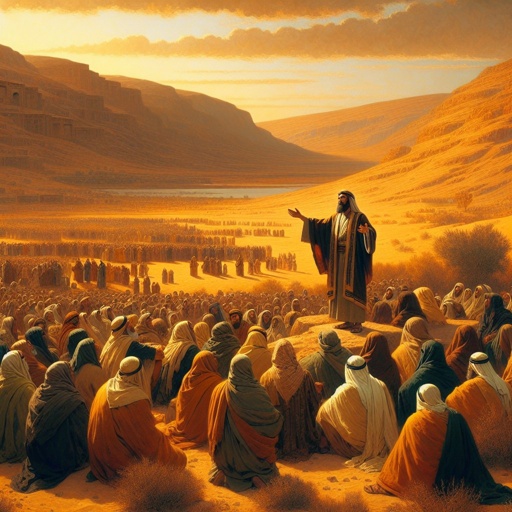
Exodus 14:13

Exodus 14:13
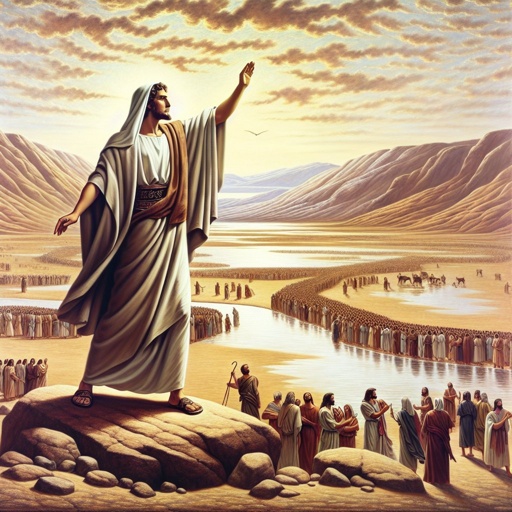
Exodus 14:13

Exodus 14:13

Exodus 14:13

Exodus 14:13

Exodus 14:13

Exodus 14:13

Exodus 14:13