Guarding the Heart: The Dangers of Coveting
“Thou shalt not covet thy neighbour’s house, thou shalt not covet thy neighbour’s wife, nor his manservant, nor his maidservant, nor his ox, nor his ass, nor any thing that is thy neighbour’s.” — Exodus 20:17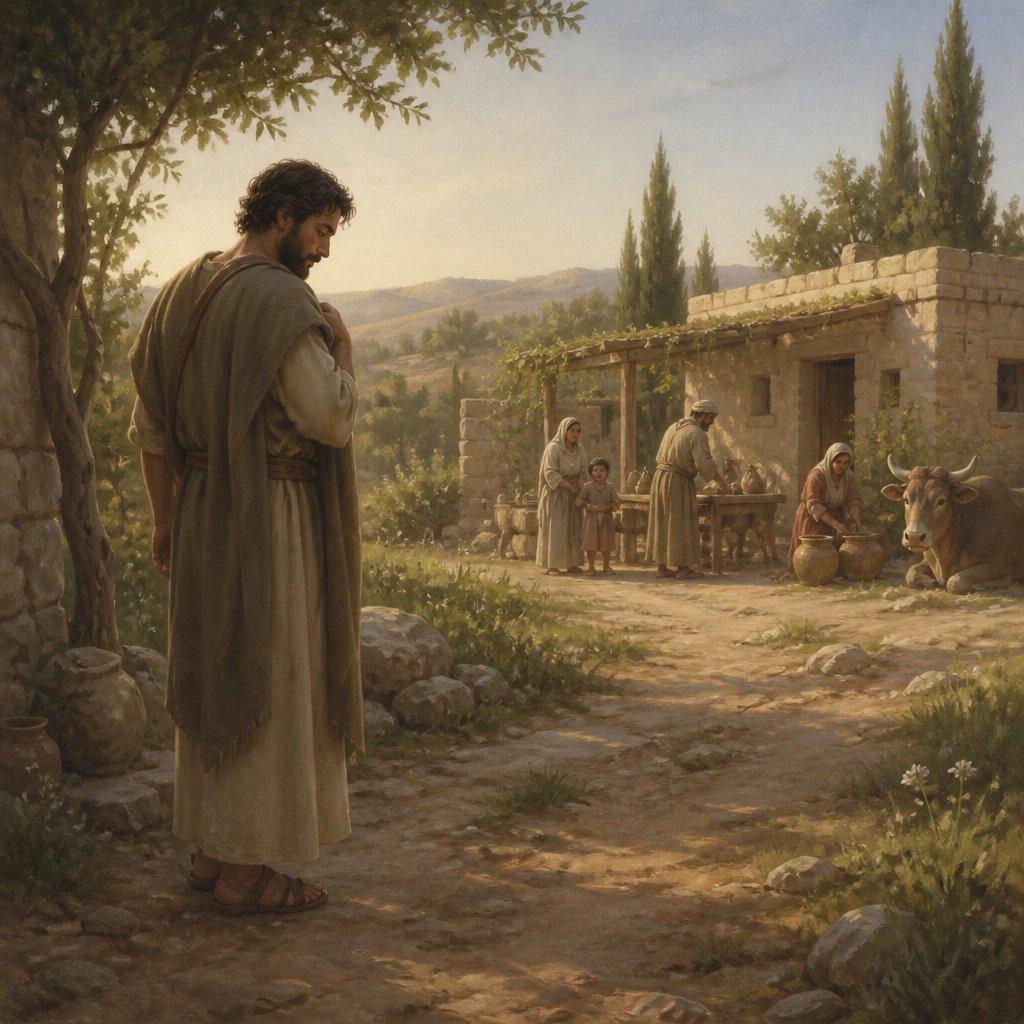
In the book of Exodus, we find one of the most profound expressions of moral and ethical living in the Ten Commandments. Among them is Exodus 20:17, which states, "Thou shalt not covet thy neighbour's house, thou shalt not covet thy neighbour's wife, nor his manservant, nor his maidservant, nor his ox, nor his ass, nor any thing that is thy neighbour's." This commandment underscores a fundamental truth about the nature of desire and the heart's condition.
To covet means to have an intense desire for something that belongs to someone else. It’s one of those subtle sins that often begins as a passing thought but can lead to a cascade of deeper issues within one’s heart. Coveting is not solely about the act of wanting what another possesses; it’s about the attitude of the heart towards our neighbors and the resources God has provided them.
In the context of the ancient Israelite community, this commandment speaks volumes about the social fabric God intended for His people. God was keenly aware of human nature and how desires could spiral out of control. When we allow envy and longing for what others have to take root in our hearts, we risk fracturing relationships, breeding discontent, and ultimately acting against God’s will. This commandment serves as a protective boundary, safeguarding not just our integrity but also the harmony of our community.
In our present-day lives, the rampant culture of consumerism amplifies this commandment's relevance. Everywhere we turn, media and society tell us that we need more—more possessions, more accomplishments, more attention. This chronic discontent can distort our perception of what is truly valuable. The more we covet, the more we find ourselves in a cycle of wanting, which can lead to dissatisfaction with what we have been entrusted with by God.
Jesus further emphasizes this idea in the New Testament when He warns against the futility of laying up treasures on earth, where moth and rust corrupt (Matthew 6:19). Instead, He calls us to focus on treasures in heaven, which are imperishable. When we covet our neighbor's possessions, we are essentially ignoring the blessings we have received from God and the unique purpose He has for each of our lives.
Moreover, coveting can lead to actions that harm ourselves and others. The story of David and Bathsheba is a potent example of how coveting can pave the path to grievous sin. In 2 Samuel 11, David's lust for Bathsheba—a woman who was not his wife—began with a simple glance and led to adultery and ultimately murder. This is a stark reminder that letting our desires run wild can result in severe consequences.
So how do we combat the urge to covet? The key lies in cultivating a heart of contentment. Hebrews 13:5 encourages us to "let your conversation be without covetousness; and be content with such things as ye have: for he hath said, I will never leave thee, nor forsake thee." We must remember that our worth and security are not defined by what others possess but by our relationship with God. Practicing gratitude for what we have, engaging in prayer, and celebrating the blessings in our own lives can help shift our focus from envy to appreciation.
As we reflect on Exodus 20:17, let us guard our hearts against the desire to covet. Let us strive to rejoice in our neighbor’s blessings and seek to understand that God’s plans for us are unique. By embracing a spirit of contentment and focusing on our own journey and blessings, we fulfill the true intent of this commandment. May our hearts be aligned with God’s will, allowing us to live in peace with one another.
Get our apps


Artwork for Exodus 20:17

Exodus 20:17 - "Thou shalt not covet thy neighbour's house, thou shalt not covet thy neighbour's wife, nor his manservant, nor his maidservant, nor his ox, nor his ass, nor any thing that is thy neighbour's."
"Thou shalt not covet thy neighbour's house, thou shalt not covet thy neighbour's wife, nor his manservant, nor his maidservant, nor his ox, nor his ass, nor any thing that is thy neighbour's." - Exodus 20:17

Exodus 23:20

Exodus 20:2

Exodus 27:20

Exodus 27:20

Exodus 27:20

Exodus 20:14

Exodus 17:10

Exodus 17:11

Exodus 17:6

Exodus 17:3

Exodus 17:3

Exodus 17:6

Exodus 17:6

Exodus 24:17

Exodus 17:6

Exodus 20:15 - "Thou shalt not steal."

Exodus 20:13 - "Thou shalt not kill."

Exodus 27:19-20

Exodus 19:16-20

Exodus 20:14 - "Thou shalt not commit adultery."

Genesis 20-17

Matthew 17:20

Matthew 17:20

Genesis 17-20

Exodus 20:1 - "And God spake all these words, saying,"

Exodus 20:8 - "Remember the sabbath day, to keep it holy."

Exodus 30:17 - "¶ And the LORD spake unto Moses, saying,"

Exodus 17:8 - "¶ Then came Amalek, and fought with Israel in Rephidim."