Drawing Near to God in the Darkness
“And the people stood afar off, and Moses drew near unto the thick darkness where God was.” — Exodus 20:21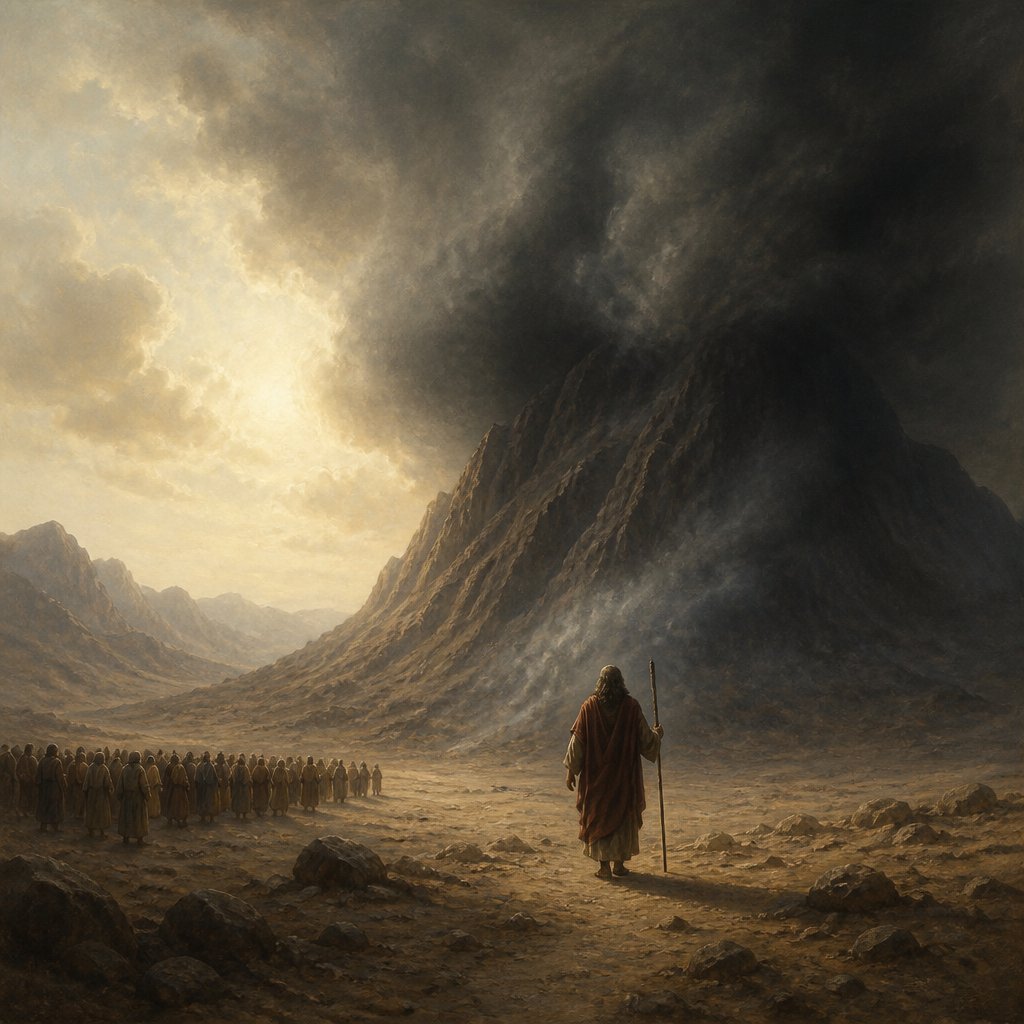
In Exodus 20:21, we read, "And the people stood afar off, and Moses drew near unto the thick darkness where God was.” This verse resonates profoundly with the Christian journey, illustrating the contrast between the fear of the unknown and the courage to approach the divine.
When we consider the context of this scripture, we find the Israelites trembling at the foot of Mount Sinai as the presence of God descended in an overwhelming display of power. The mountain was wrapped in thick clouds, thunder, and lightning—a representation of God’s holiness and might. In that fearful moment, the people were struck with awe and dread, preferring to maintain their distance. It’s a striking reminder of how often we face God’s holiness with trepidation.
The Israelites’ reaction is relatable; many of us prefer to stay in the comfort of familiarity, hesitant to venture into the unknown that faith often requires. They stood afar off, yet Moses— their leader, chosen by God—drew near into the thick darkness. This illustrates a powerful principle in our spiritual walk: it is not the absence of darkness that defines our faith, but our approach toward it.
Moses’s action of drawing near serves as an instructive example for us. Our inclination may be to avoid the uncertainties and challenges life brings. Oftentimes, the "thick darkness" of our circumstances—pain, confusion, or fear—can loom large, causing us to question God’s presence and goodness. Yet, it is in these moments of darkness that we have the greatest opportunity to seek God's presence more fervently. Moses, filled with faith, chose to move closer to God, affirming that darkness is not a barrier but a gateway into God’s deeper revelation.
We can draw from Moses's example when we encounter thick darkness in our lives. He exemplifies the call to approach God boldly, as Hebrews 4:16 states: "Let us therefore come boldly unto the throne of grace, that we may obtain mercy, and find grace to help in time of need." The act of approaching God during our darkest hours does not mean that we deny our fears or struggles; rather, it signifies a conscious decision to trust that God is in the midst of our chaos and confusion.
In the spiritual sense, darkness can also represent the trials we endure. James 1:2-4 admonishes us to count it all joy when we fall into various trials, knowing that the testing of our faith produces patience. This truth invites us to reevaluate our responses when faced with personal trials. Like Moses, who willingly approached the thick darkness, we are encouraged to go toward our challenges knowing that serious transformation often takes place in the dark.
Moreover, it’s essential to understand the implications of God being in the thick darkness. In the spiritual discipline of silence and solitude, we often encounter God in unexpected ways. The thick darkness does not denote abandonment; instead, it can signify a protective layer where God seeks to foster intimacy. In that quiet, stillness, His presence may break through, revealing truths we may not have perception of in brighter times. Renowned theologian, Henri Nouwen wrote, "In the world of noise, the most difficult thing is to find the quietness of the heart and the silence of God."
As believers today, let us adopt the posture of Moses, moving toward God amidst our fears and uncertainties. When we draw near, we invite God to illuminate the darkness with His light, allowing His presence to dispel our anxieties. As we face the thick darkness of life, may we echo the sentiments of Psalm 139:12, where darkness is not dark to God, but like light. In this, we find assurance that even in our darkest moments, we are never alone. Let us cultivate hearts full of faith, daring to draw near to the eternal God who desires an intimate relationship with us—darkness and all.
Get our apps


Artwork for Exodus 20:21

Exodus 20:21 - "And the people stood afar off, and Moses drew near unto the thick darkness where God was."
"And the people stood afar off, and Moses drew near unto the thick darkness where God was." - Exodus 20:21

Exodus 21:20 - "¶ And if a man smite his servant, or his maid, with a rod, and he die under his hand; he shall be surely punished."

Exodus 15:20-21 - "Then Miriam the prophet, Aaron’s sister, took a tambourine and led all the women as they played their tambourines and danced. And Miriam sang this song: “Sing to the Lord, for he has triumphed gloriously; he has hurled both horse and rider into the sea.”"

Exodus 14: 21

Exodus 23:20

Exodus 20:2

Exodus 27:20

Exodus 27:20

Exodus 27:20

Exodus 20:14

Exodus 14: 21

Exodus 15:21

Exodus 21:21 - "Notwithstanding, if he continue a day or two, he shall not be punished: for he is his money."
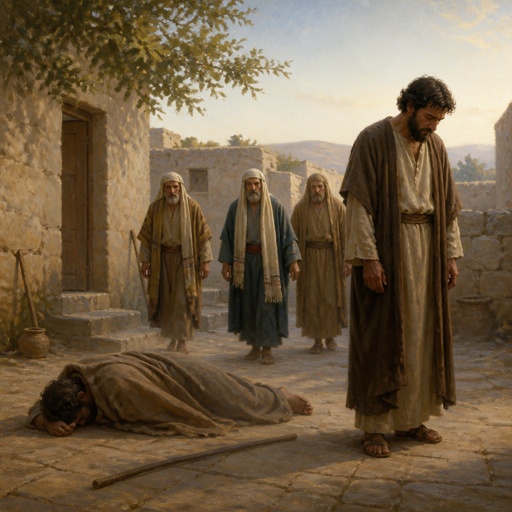
"¶ And if a man smite his servant, or his maid, with a rod, and he die under his hand; he shall be surely punished." - Exodus 21:20

Luke 13:20-21

Luke 13:20-21
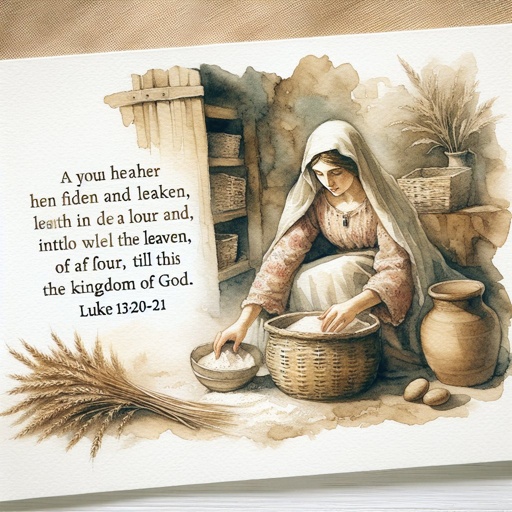
Luke 13:20-21

Luke 13:20-21

Luke 13:20-21

Exodus 20:15 - "Thou shalt not steal."

Exodus 20:13 - "Thou shalt not kill."

Exodus 27:19-20

Genesis 21-20

John 20:21

Exodus 19:16-20

Exodus 27:19-21

Exodus 20:14 - "Thou shalt not commit adultery."

Exodus 6:21 - "¶ And the sons of Izhar; Korah, and Nepheg, and Zichri."

Job 3:20-21 - "Job 3:20-21: Why is light given to those in misery, and life to the bitter of soul, to those who long for death that does not come, who search for it more than for hidden treasure?"