Holy Elevation: Understanding the Call to Reverence
“Neither shalt thou go up by steps unto mine altar, that thy nakedness be not discovered thereon.” — Exodus 20:26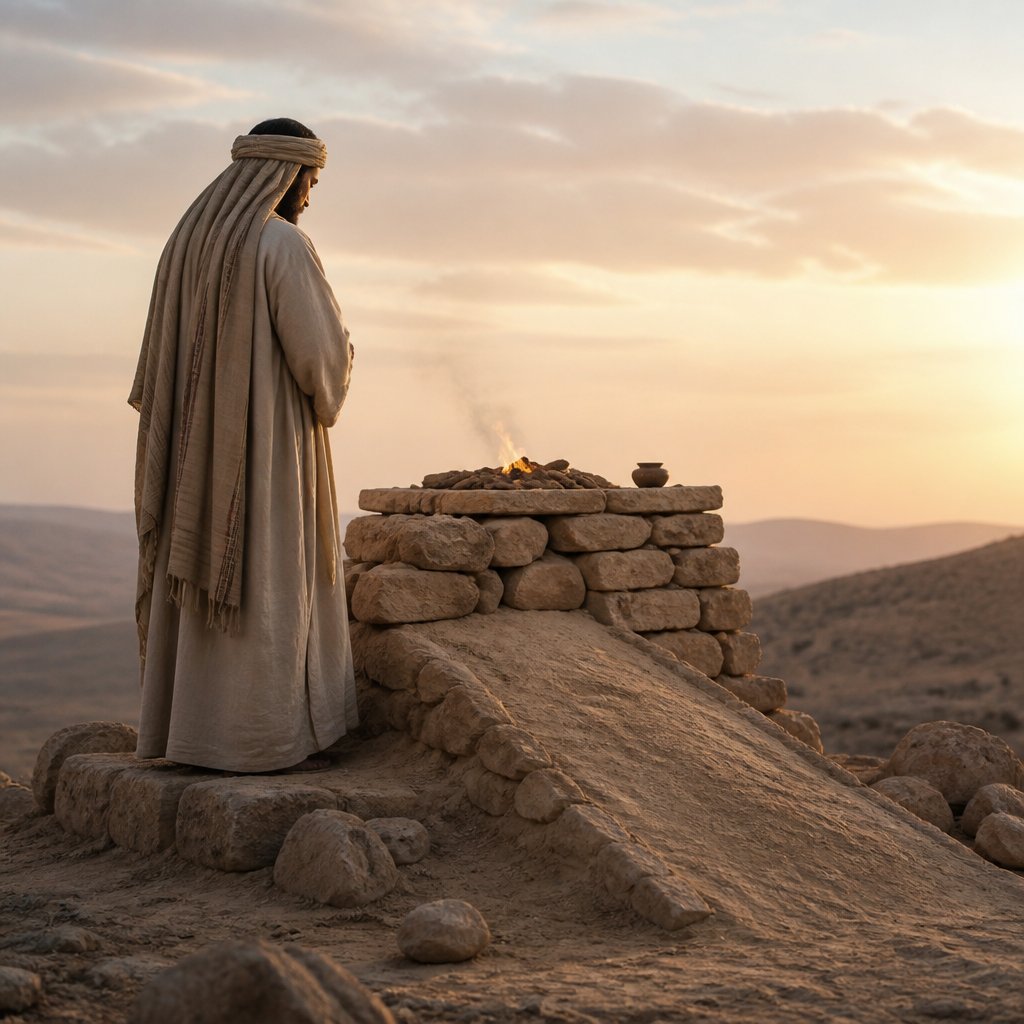
**Devotional Title:** Holy Elevation: Understanding the Call to Reverence
**Scripture Reference:** Exodus 20:26 (KJV) – "Neither shalt thou go up by steps unto mine altar, that thy nakedness be not discovered thereon."
As we delve into the intricacies of Exodus 20:26, we come face to face with a profound aspect of worship, one that invites us to examine not only our approach to God but also the manner in which we present ourselves before Him. In the context of the Israelites receiving the Ten Commandments, this directive serves a specific purpose—maintaining the sanctity of the altar and preserving the holiness that is required in the presence of God.
The commandment stands with an almost paradoxical simplicity. It invokes the imagery of the high altar on which sacrifices were made, the place where heaven meets earth and where sinful humanity seeks to commune with a holy God. The instruction against ascending the altar by steps highlights an important principle: God’s holiness is paramount and requires careful consideration and respect. The 'nakedness' referenced here is more than mere physical exposure; it symbolizes vulnerability, shame, and the need for spiritual coverage before our Creator.
### The Significance of the Altars
In ancient Israel, altars were central to worship. They were not merely structures of stone; they represented the gateway to divine interaction and reconciliation. When one approached the altar, it was crucial to acknowledge the weight of that moment. Altars signal a meeting point, a sacred ground where sacrifices were offered, representing acknowledgment of sin and the need for atonement. God, in His wisdom, established barriers and protocols for approaching Him to orchestrate a true understanding of His nature—both loving and just.
God’s instruction commands reverence. It begs us to approach Him with humility, understanding that our uncleanliness cannot stand in the light of His glory. By forbidding steps to the altar, He preserves the integrity of worship. The act of climbing involves exertion and often exposes one, a metaphor for the need for humility and covering when we come before God. In many religious practices today, as in those ancient times, a heart that is ashamed or unreconciled before God cannot offer sacred worship.
### Nudity Before God
When considering the term "nakedness" in this passage, we are prompted to think more deeply. It captures the essence of how we present ourselves before the Lord—our sinfulness and our frailty laid bare. This nudity is symbolic of our inherent need for His grace, mercy, and redemption. Recognizing our lack is essential. Without it, we cannot genuinely comprehend the Christian principles of grace and redemption afforded to us by Christ. The veil has been torn, opening the way for us to approach with confidence, yet we must not forget the reverence that comes with meeting a holy God.
### Application in Our Modern Worship
In our churches today, although we might not be literally climbing steps to an altar, we often unconsciously elevate our spiritual pride—or slip into forms of worship that overlook the true humility that God requires. We worship with fervor, yet it is easy to lose sight of the posture of our heart. Are we coming before Him clothed in the righteousness of Christ, or are we exposing our own nakedness, unrepentant and unaware of its implications?
### The Invitation to Clothe Ourselves
The call of Exodus 20:26 is twofold. It invites us to ensure that our hearts are aligned with God’s holiness and to remember the significance of grace and humility. We are called to clothe ourselves in Christ’s righteousness, remembering that we are unworthy in our own merit, yet worthy through His sacrifice. Let us then approach with awe and reverence, examining ourselves as we stand at the altar of grace.
### Conclusion
As we reflect on this verse, let us consider our posture before God—both literally and spiritually. May we strive for a heart that is continually aware of our need for covering and reverence, promoting an authentic and humble approach to the holy God we serve. Instead of steps leading us to pride, let humility descend and elevate our worship to a place that honors the great altar of sacrifice that Jesus embodies.
Get our apps


Artwork for Exodus 20:26

Exodus 20:26 - "Neither shalt thou go up by steps unto mine altar, that thy nakedness be not discovered thereon."
"Neither shalt thou go up by steps unto mine altar, that thy nakedness be not discovered thereon." - Exodus 20:26

Exodus 26:20 - "And for the second side of the tabernacle on the north side there shall be twenty boards:"
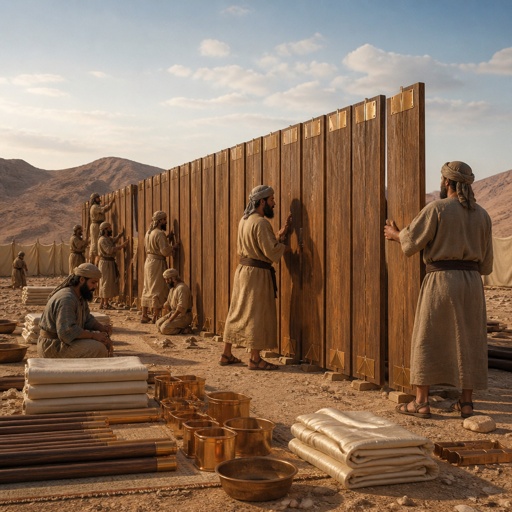
"And for the second side of the tabernacle on the north side there shall be twenty boards:" - Exodus 26:20

exodus 26:1

Exodus 26:30

Exodus 26:31

Exodus 26:31

Exodus 26:31

exodus 26:1

Exodus 26:26 - "¶ And thou shalt make bars of shittim wood; five for the boards of the one side of the tabernacle,"

Exodus 26:31-33
Proverbs 26:20

Exodus 23:20

Exodus 20:2

Exodus 27:20

Exodus 27:20

Exodus 27:20

Exodus 20:14

Exodus 20:15 - "Thou shalt not steal."

Exodus 20:13 - "Thou shalt not kill."

Exodus 27:19-20

Exodus 19:16-20

Exodus 20:14 - "Thou shalt not commit adultery."

Exodus 30:26 - "And thou shalt anoint the tabernacle of the congregation therewith, and the ark of the testimony,"

Exodus 40:26 - "¶ And he put the golden altar in the tent of the congregation before the vail:"

Exodus 26:22 - "And for the sides of the tabernacle westward thou shalt make six boards."

Exodus 9:26 - "Only in the land of Goshen, where the children of Israel were, was there no hail."

Exodus 20:1 - "And God spake all these words, saying,"

Exodus 20:8 - "Remember the sabbath day, to keep it holy."