What does Exodus 20:26 mean?
“Neither shalt thou go up by steps unto mine altar, that thy nakedness be not discovered thereon.” — Exodus 20:26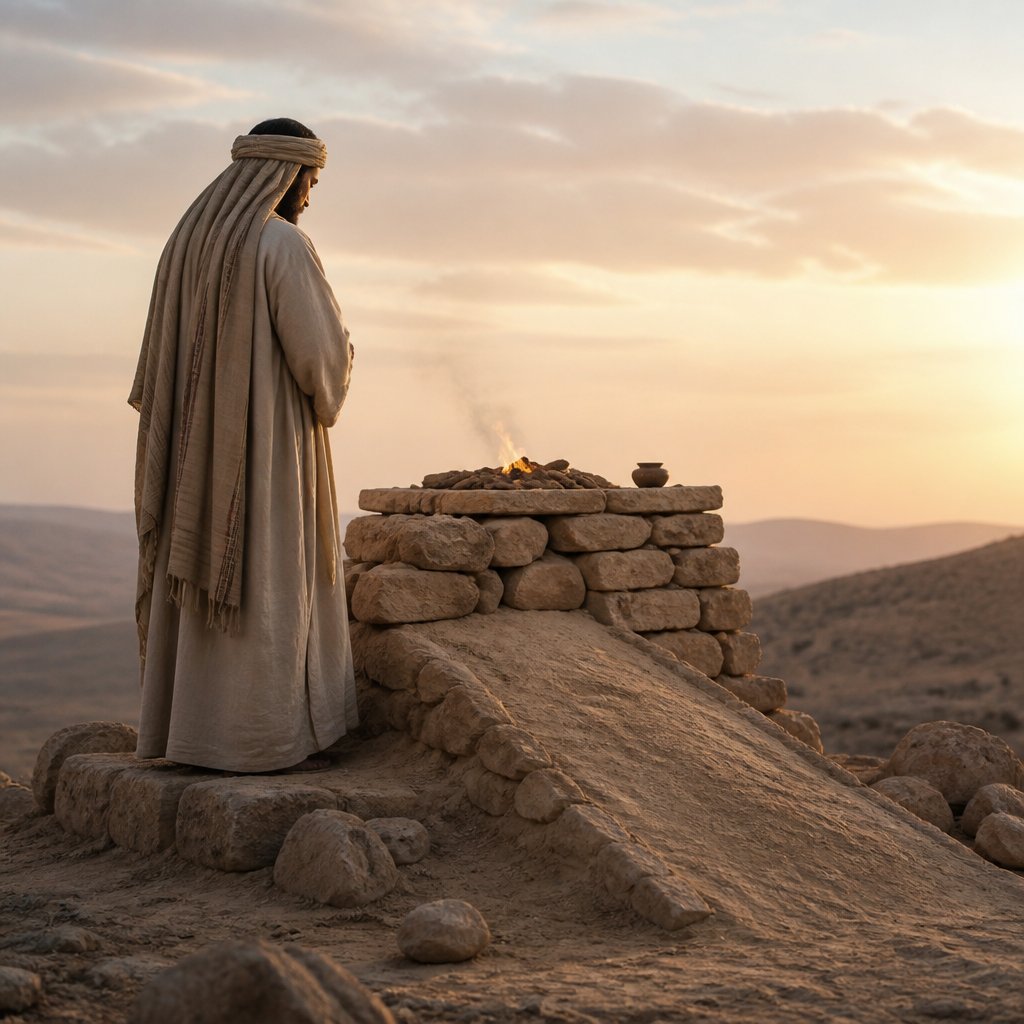
Exodus 20:26 in the King James Version of the Bible reads: "Neither shalt thou go up by steps unto mine altar, that thy nakedness be not discovered thereon." This verse comes at the end of the Ten Commandments, which were given to Moses on Mount Sinai. In this commandment, God instructs the Israelites not to build steps leading up to the altar so that their nakedness would not be exposed.
This verse is set in the context of the establishment of the Mosaic covenant between God and the Israelites. The Ten Commandments, including this verse, were given to the Israelites as a guide for living in a way that would please God and maintain their relationship with Him. The construction of the altar and the manner of approaching it were essential elements of the Israelites' worship and sacrificial system, so this commandment carries significant weight in their religious practices.
At first glance, this verse may seem outdated or irrelevant to modern readers. However, its meaning and significance can be understood more deeply when considering the themes of reverence, respect, and holiness. The commandment prohibits the exposure of nakedness at the altar, symbolizing the need for modesty and respect in the presence of God. It emphasizes the importance of approaching God with reverence and dignity, rather than carelessly or casually.
Additionally, this verse reflects the holiness of God and the sacredness of the altar. The altar was the place where the Israelites offered sacrifices to atone for their sins and seek forgiveness from God. By prohibiting the use of steps, God underscores the need for the altar to be treated with utmost care and respect, as it serves as a direct point of contact between humanity and the divine. This commandment serves as a reminder of the Israelites' need to approach God with awe and humility in their worship and offerings.
Furthermore, this verse also carries symbolic and spiritual significance. In the New Testament, the concept of the "altar" is reinterpreted as the heart or spirit of the believer. In this context, the commandment not to go up to the altar with steps can be understood as a metaphor for the need to approach God with simplicity and sincerity, without the need for elaborate rituals or external displays. It calls for genuine repentance and humility in seeking God's forgiveness and grace, rather than relying on external rituals or ceremonies.
Overall, Exodus 20:26 offers timeless insights into the nature of worship, reverence, and holiness. It provides an important reminder of the need for respect and modesty in the presence of God, as well as the significance of approaching Him with genuine humility and sincerity. While the specific instructions regarding the construction of altars may not directly apply to modern religious practices, the underlying principles of reverence, respect, and sincerity remain valuable for believers in all eras.
Get our apps


Artwork for Exodus 20:26

Exodus 20:26 - "Neither shalt thou go up by steps unto mine altar, that thy nakedness be not discovered thereon."
"Neither shalt thou go up by steps unto mine altar, that thy nakedness be not discovered thereon." - Exodus 20:26

Exodus 26:20 - "And for the second side of the tabernacle on the north side there shall be twenty boards:"
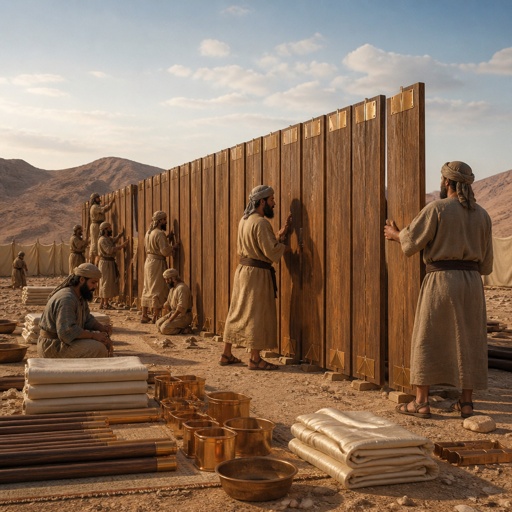
"And for the second side of the tabernacle on the north side there shall be twenty boards:" - Exodus 26:20

exodus 26:1

Exodus 26:30

Exodus 26:31

Exodus 26:31

Exodus 26:31

exodus 26:1

Exodus 26:26 - "¶ And thou shalt make bars of shittim wood; five for the boards of the one side of the tabernacle,"

Exodus 26:31-33
Proverbs 26:20

Exodus 23:20

Exodus 20:2

Exodus 27:20

Exodus 27:20

Exodus 27:20

Exodus 20:14

Exodus 20:15 - "Thou shalt not steal."

Exodus 20:13 - "Thou shalt not kill."

Exodus 27:19-20

Exodus 19:16-20

Exodus 20:14 - "Thou shalt not commit adultery."

Exodus 30:26 - "And thou shalt anoint the tabernacle of the congregation therewith, and the ark of the testimony,"

Exodus 40:26 - "¶ And he put the golden altar in the tent of the congregation before the vail:"

Exodus 26:22 - "And for the sides of the tabernacle westward thou shalt make six boards."

Exodus 9:26 - "Only in the land of Goshen, where the children of Israel were, was there no hail."

Exodus 20:1 - "And God spake all these words, saying,"

Exodus 20:8 - "Remember the sabbath day, to keep it holy."