Freedom Through Divine Justice
“And if he do not these three unto her, then shall she go out free without money.” — Exodus 21:11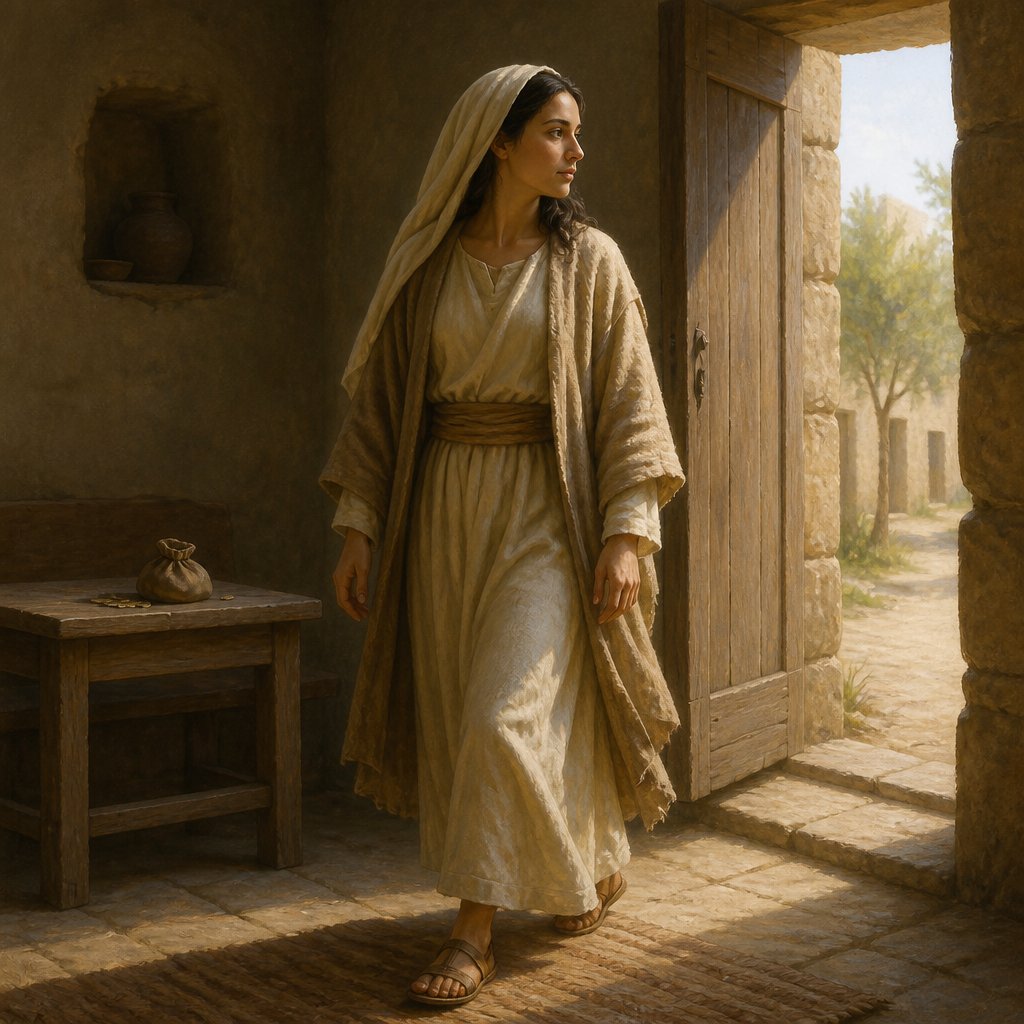
Introduction
In the book of Exodus, we see the unfolding of God’s law and the justice that He desires for His people. Exodus 21:11 states, "And if he do not these three unto her, then shall she go out free without money." This verse is a part of the laws of servitude, which speaks to the treatment of female servants or bondwomen. Through understanding this scripture, we can uncover profound truths about freedom, justice, and God’s heart for the oppressed.
The Context
When we read Exodus 21, we enter into a world where slavery and servitude were common. However, it is imperative to recognize that God, through Moses, provides regulations that aimed to ensure fairness and protection for those within this system. The laws outlined here were revolutionary, as they introduced rights for servants that were unheard of in the surrounding cultures. The three things required of the master in verse 11 are linked to his obligation to treat the servant with care and dignity. If he failed to do so, she was entitled to freedom without the burden of debt—a principle designed to ensure her release and restoration.
Divine Justice
God is a God of justice. He is not indifferent to the plight of those who are marginalized or oppressed. Exodus 21:11 highlights that the failure of the one in authority, the master, results in the liberation of the servant. This is powerful because it signifies that Lord’s justice transcends human authority. In the face of disability or abuse, God promises restoration and freedom. Herein lies a beautiful truth: when humans misuse power, God steps in with divine justice to offer the oppressed a way out.
Freedom Without Cost
"Then shall she go out free without money." This phrase echoes throughout the pages of scripture. It reminds us that we cannot earn our freedom; God grants it freely. In the context of our lives today, this verse can be viewed as foreshadowing the redemptive work of Jesus Christ. Just as the servant is given freedom at no cost to her, Jesus paid the ultimate price to deliver us from the bondage of sin and death. Romans 6:23 reminds us, "For the wages of sin is death; but the gift of God is eternal life through Jesus Christ our Lord." Our freedom comes at a cost, but the payment is paid by Christ, not us.
A Call to Compassion and Justice
As we reflect on this passage, we are called to examine our own lives and the ways in which we interact with those around us. Are we using our influence to elevate and empower others, or are we inadvertently contributing to their bondage? The reality is that in our world today, many find themselves in situations akin to servitude—be it emotional, spiritual, or physical. We must embody the spirit of advocacy, ensuring that those in our sphere of influence receive justice and compassion.
Conclusion
Exodus 21:11 encapsulates a core principle of God’s character: He desires all His people to live in freedom and dignity. It is a call to remember that all human beings are deserving of respect and worth, regardless of their status or station in life. As we apply this understanding, we must strive to be instruments of justice and grace. In doing so, we reflect the image of Christ, who has set us free—indeed, we are free without money!
Let this verse not just be a mere historical account, but a living word that inspires us towards action, compassion, and above all, the proclamation of the freedom that Christ offers to all.
Get our apps


Artwork for Exodus 21:11

Exodus 21:11 - "And if he do not these three unto her, then shall she go out free without money."
"And if he do not these three unto her, then shall she go out free without money." - Exodus 21:11

Exodus 14: 21

Exodus 14: 21

Exodus 15:21

Exodus 21:21 - "Notwithstanding, if he continue a day or two, he shall not be punished: for he is his money."

Exodus 27:19-21

Exodus 6:21 - "¶ And the sons of Izhar; Korah, and Nepheg, and Zichri."

Habakkuk 2:1-3

exodus 18:11

Luke 2:1-20

Exodus 17:11
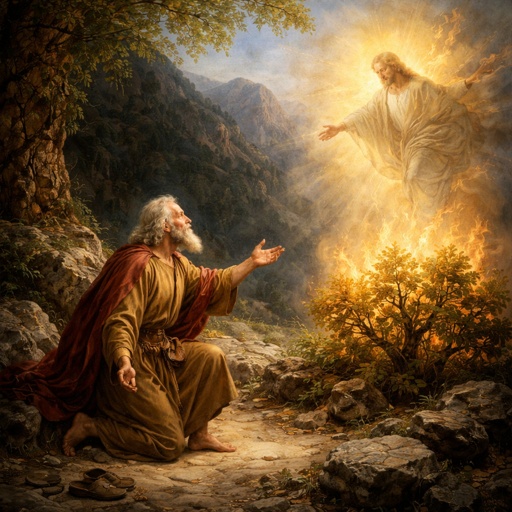
exodus 3:11

Exodus 21:25 - "Burning for burning, wound for wound, stripe for stripe."

1 Timothy 2:1-7

1 Timothy 2:1-7

The Plague of Darkness - Exodus 10:21-29

The Plague of Darkness - Exodus 10:21-29

The Plague of Darkness - Exodus 10:21-29

The Plague of Darkness - Exodus 10:21-29

The Plague of Darkness - Exodus 10:21-29

The Plague of Darkness - Exodus 10:21-29

The Plague of Darkness - Exodus 10:21-29

The Plague on the Firstborn - Exodus 11
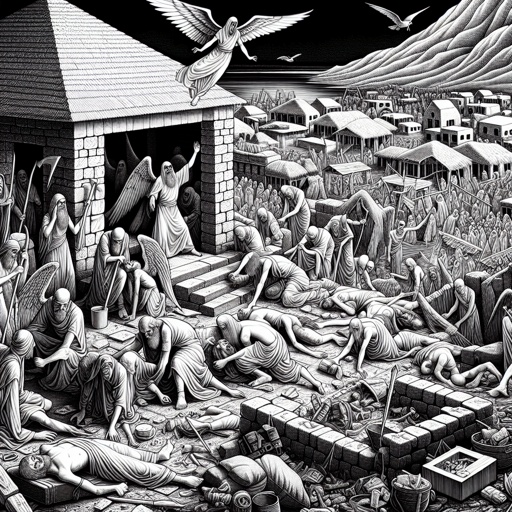
The Plague on the Firstborn - Exodus 11

Exodus 21:24 - "Eye for eye, tooth for tooth, hand for hand, foot for foot,"

Exodus 21:1 - "Now these are the judgments which thou shalt set before them."

The Plague on the Firstborn - Exodus 11
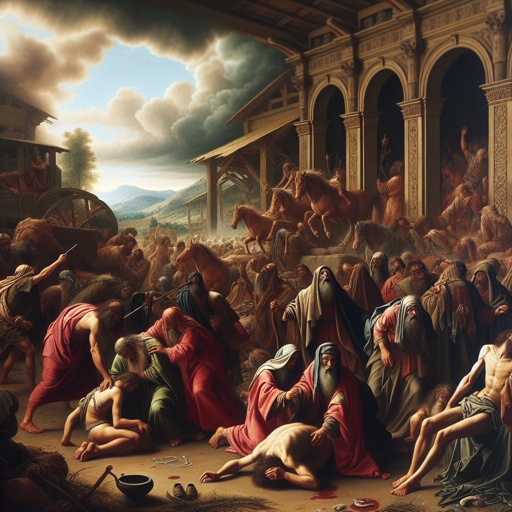
The Plague on the Firstborn - Exodus 11

Exodus 24:9-11