Honoring Our Parents: A Divine Command
“And he that curseth his father, or his mother, shall surely be put to death.” — Exodus 21:17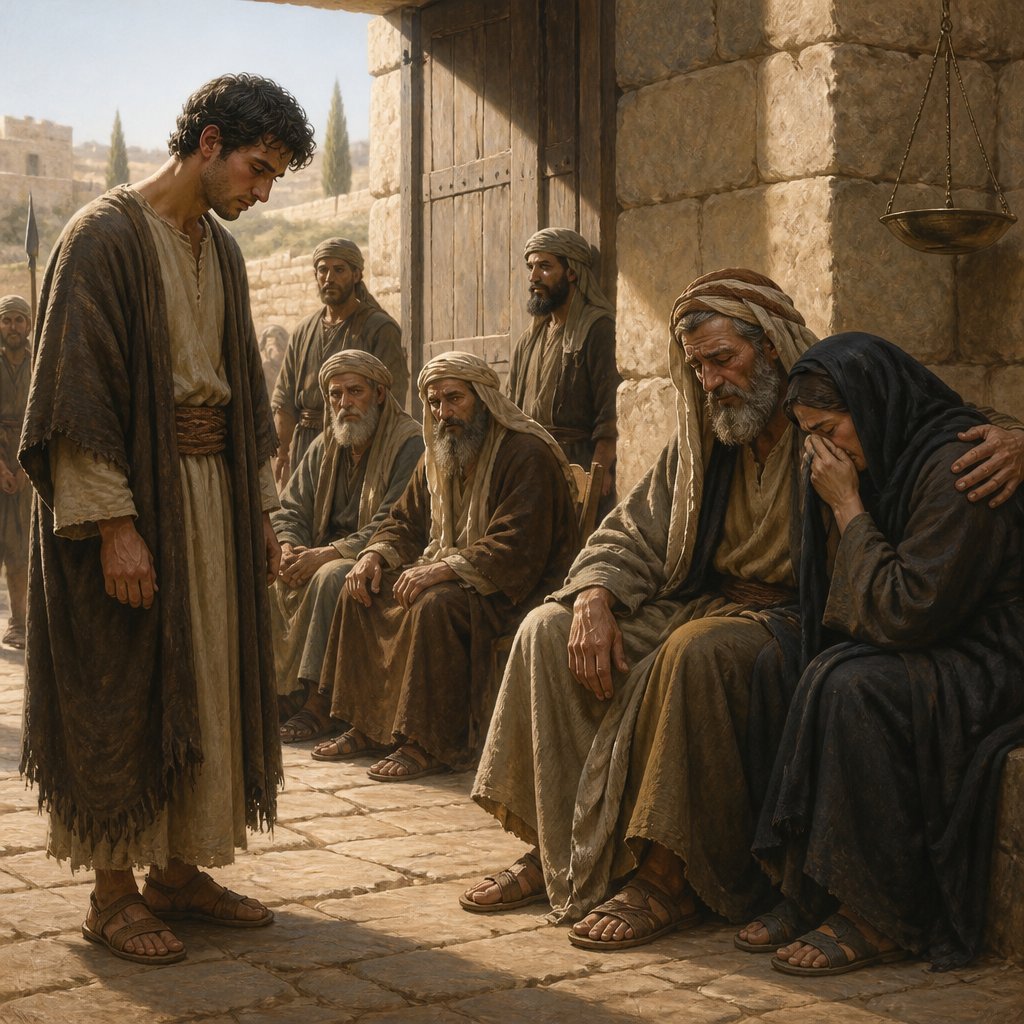
The command found in Exodus 21:17, "And he that curseth his father, or his mother, shall surely be put to death," may strike modern readers as harsh and outdated. However, when we delve into the context and the significance of this directive, a profound lesson about family honor and the inherent value of parental authority comes forth.
In the ancient Israelite culture, the family structure was foundational to society. Families were the building blocks of community, and respect towards parents was not just a moral expectation; it was a divine mandate. This law highlights the seriousness with which God views the relationship between children and their parents. In the tradition of Israel, parents were revered figures, and their authority was a reflection of God’s authority over His people. To curse one's parents was not merely an act of rebellion against them but an act of rebellion against God Himself.
To understand the weight of this commandment, we must first recognize what it means to "curseth" one’s father or mother. Cursing, in this context, is not only the utterance of vile words but can be understood as a rejection of one’s parents and their role in one's life. It signals a breakdown of familial relationships and societal order. Throughout the Bible, we see consistent themes regarding the relationship between children and parents. The Tenth Commandment, "Honor thy father and thy mother," (Exodus 20:12) reinforces the idea that honoring one’s parents is not an isolated act, but a core value that sustains community life and fosters respect for authority.
This ancient law is a stark reminder that our relationships are sacred, carrying profound implications and responsibilities. Children are called to honor their parents, which extends beyond mere obedience to include respect, love, and care. In a world that often places self-expression above respect for authority, this command challenges us to contemplate the dynamics of our familial relationships. Are we fostering an environment of respect and love in our homes?
Further, this command highlights why familial bonds are treated with such reverence. The consequences prescribed for cursing one’s parents remind us that breaking those bonds has serious ramifications. The purpose of the severe penalty was not simply punitive but was intended to serve as a deterrent against behavior that threatened the social fabric of society. It may seem extreme, yet its very severity underlines the importance of familial respect and integrity in a community.
In the New Testament, we also find echoes of this command. Ephesians 6:1-3 reminds believers that "Children, obey your parents in the Lord: for this is right. Honor thy father and mother; which is the first commandment with promise; That it may be well with thee, and thou mayest live long on the earth." Here, we see that the command to honor parents carries with it a promise of well-being and longevity—showing that honoring those who have nurtured and guided us is deeply intertwined with our own well-being.
As individuals living in today’s context, we must reflect on our own attitudes and actions towards our parents. Do we respond with kindness and honor, or do we take their love for granted? Are we serving our parents as they age, or do we disregard their wisdom and experience?
Ultimately, this verse calls us to examine the depth of our respect for authority. The relationship with our parents is foundational to how we relate to God and subsequently to others. It emphasizes that honoring our parents isn't just about them but about us embracing a lifestyle that reveres the order God has established. Let's commit to nurturing and honoring our familial relationships as a reflection of our love for God and our understanding of His commandments.
Get our apps


Artwork for Exodus 21:17

Exodus 21:17 - "¶ And he that curseth his father, or his mother, shall surely be put to death."
"¶ And he that curseth his father, or his mother, shall surely be put to death." - Exodus 21:17

1 Timothy 2:1-7

1 Timothy 2:1-7

Exodus 14: 21

Exodus 14: 21

Exodus 15:21

Exodus 17:10

Exodus 17:11

Exodus 17:6

Exodus 17:3

Exodus 17:3

Exodus 17:6

Exodus 17:6

Exodus 24:17

Exodus 17:6

Exodus 21:21 - "Notwithstanding, if he continue a day or two, he shall not be punished: for he is his money."

Exodus 27:19-21

John 21:17

Genesis 17-21

Genesis 21-17

Exodus 6:21 - "¶ And the sons of Izhar; Korah, and Nepheg, and Zichri."

Exodus 30:17 - "¶ And the LORD spake unto Moses, saying,"

Exodus 17:8 - "¶ Then came Amalek, and fought with Israel in Rephidim."

Exodus 21:25 - "Burning for burning, wound for wound, stripe for stripe."

Exodus 13:17-14:29

Matthew 17:14-21

Exodus 6:17 - "The sons of Gershon; Libni, and Shimi, according to their families."

Exodus 34:17 - "Thou shalt make thee no molten gods."

The Plague of Darkness - Exodus 10:21-29