The Gift of Freedom: Understanding Exodus 21:2
“If thou buy an Hebrew servant, six years he shall serve: and in the seventh he shall go out free for nothing.” — Exodus 21:2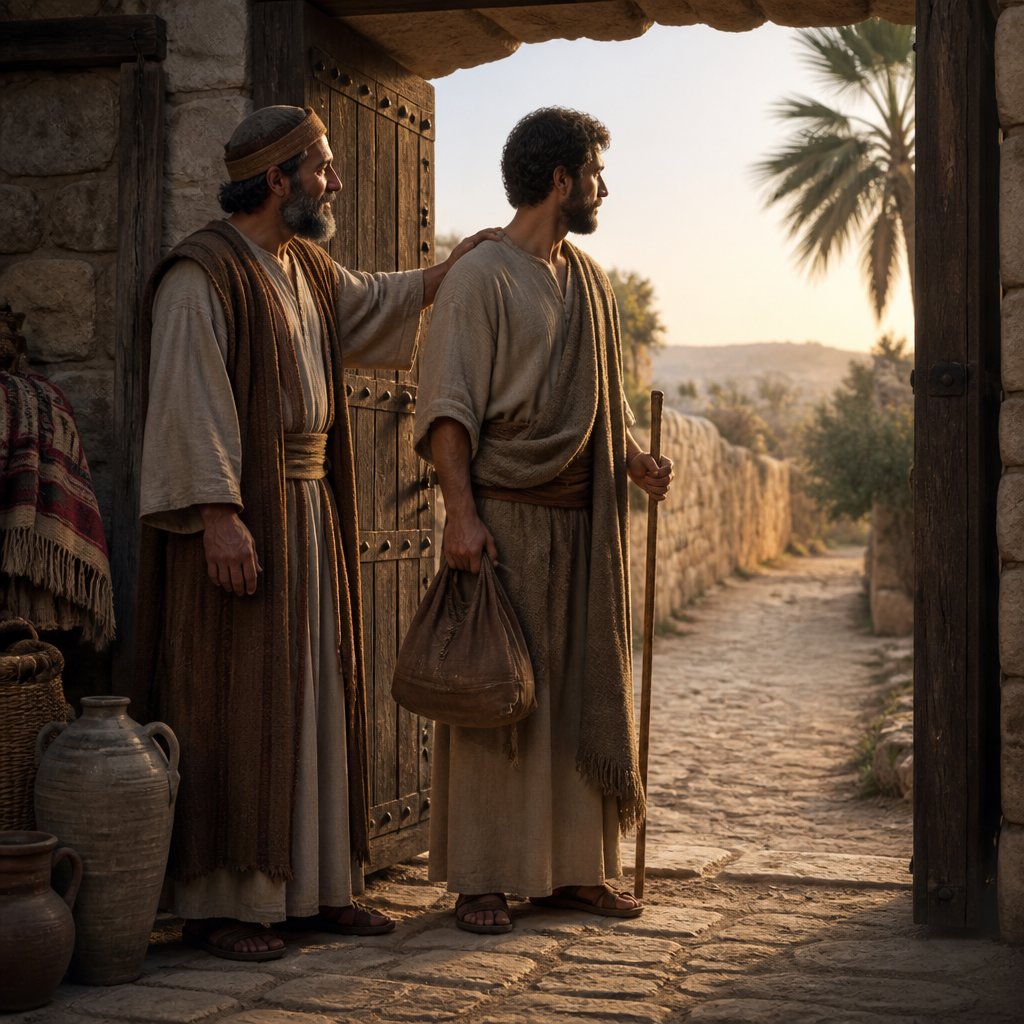
In our exploration of Exodus 21:2, we are confronted with a delicate yet powerful principle of freedom. The verse states, "If thou buy an Hebrew servant, six years he shall serve: and in the seventh he shall go out free for nothing." This verse is not merely a legal statute; it encapsulates profound theological significance that reverberates throughout the narrative of the Hebrew Scriptures.
To fully grasp the weight of this passage, we must first set its context. Exodus is a book characterized by the theme of liberation — the liberation of the Israelites from their bondage in Egypt. God’s deliverance is not merely physical but also spiritual, offering profound lessons on redemption and the value of freedom in His eyes. In chapter 21, the Lord provides guidelines concerning servants, which reflects the broader understanding of community and justice among His people.
The stipulation that a Hebrew servant must serve for six years before being set free in the seventh holds rich symbolic meaning. Six years of service can be viewed as a time of growth and preparation. Each year spent in servitude might symbolize a season of shaping and molding, a time when character is refined and responsibility is cultivated. For the servant, those six years provide opportunities to demonstrate loyalty, diligence, and the ability to navigate interpersonal relationships within the household that employs him.
The seventh year, however, introduces a divine mandate of freedom. The provision for the servant's release at the end of six years serves as a stark reminder of the importance that God places on freedom. This year of jubilee reflects a deeper biblical truth — that every human being carries intrinsic worth as a creation of God, deserving of liberty and honor. Thus, the law regarding the Hebrew servant reveals God’s desire for justice and restoration within a community.
This concept of freedom resonates with the message of the entire Biblical narrative. We recall that freedom is a recurring theme that eventually culminates in the New Testament with the ultimate servant: Jesus Christ. Isaiah prophesies about this servant in Isaiah 61:1, stating, "The Spirit of the Lord God is upon me; because the Lord hath anointed me to preach good tidings unto the meek; he hath sent me to bind up the brokenhearted, to proclaim liberty to the captives, and the opening of the prison to them that are bound." Here, Jesus embodies the principles set forth in Exodus by not only proclaiming freedom but becoming freedom incarnate for all people.
As we meditate on this passage, we can reflect on our own lives. Have we embraced, acknowledged, and appreciated the freedom that God has offered us through Christ? It is essential for us as believers to understand the implications of being set free — not just from physical bondage but from the chains of sin and spiritual death. We are reminded in John 8:36, "If the Son therefore shall make you free, ye shall be free indeed."
Moreover, as recipients of this grace, we are called to share the message of freedom to others, to ensure that those around us experience the liberating power of God. The world today is filled with individuals trapped in various forms of servitude — whether emotional, mental, or spiritual. We are to be messengers of hope, sharing the good news that liberation is possible in Christ.
In conclusion, Exodus 21:2 transcends the historical context of servitude and urges us toward a broader understanding of freedom — a path that leads us not only to personal emancipation but also to a commission to liberation for others. Let us be diligent as we walk through the six years of our “servitude,” preparing our hearts for the magnificent freedom that God promises, ready to extend that grace to others, and together creating a community characterized by love, respect, and liberating grace.
Get our apps


Artwork for Exodus 21:2

Exodus 21:2 - "If thou buy an Hebrew servant, six years he shall serve: and in the seventh he shall go out free for nothing."
"If thou buy an Hebrew servant, six years he shall serve: and in the seventh he shall go out free for nothing." - Exodus 21:2

Exodus 21:2-3 If thou buy an Hebrew servant, six years he shall serve: and in the seventh he shall go out free for nothing. (3) If he came in by himself, he shall go out by himself: if he were married, then his wife shall go out with him.

Exodus 2:21 - "And Moses was content to dwell with the man: and he gave Moses Zipporah his daughter."

Exodus 14: 21

Exodus 14: 21

Exodus 15:21

Exodus 21:21 - "Notwithstanding, if he continue a day or two, he shall not be punished: for he is his money."
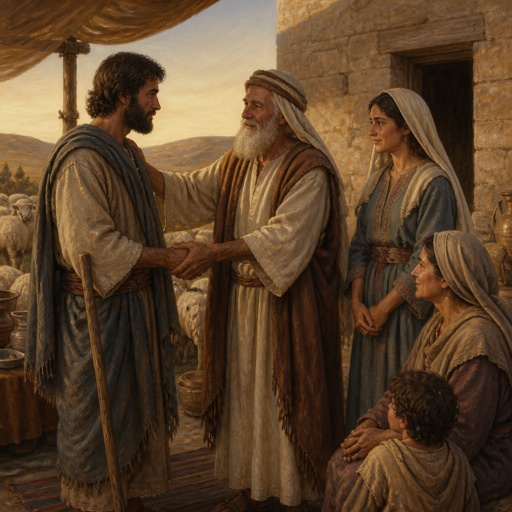
"And Moses was content to dwell with the man: and he gave Moses Zipporah his daughter." - Exodus 2:21

Exodus 27:19-21

Exodus 6:21 - "¶ And the sons of Izhar; Korah, and Nepheg, and Zichri."

Exodus 21:25 - "Burning for burning, wound for wound, stripe for stripe."

The Plague of Darkness - Exodus 10:21-29

The Plague of Darkness - Exodus 10:21-29

The Plague of Darkness - Exodus 10:21-29

The Plague of Darkness - Exodus 10:21-29

The Plague of Darkness - Exodus 10:21-29

The Plague of Darkness - Exodus 10:21-29

The Plague of Darkness - Exodus 10:21-29

Exodus 21:24 - "Eye for eye, tooth for tooth, hand for hand, foot for foot,"

Exodus 21:1 - "Now these are the judgments which thou shalt set before them."

The Plague of Darkness - Exodus 10:21-29

The Plague of Darkness - Exodus 10:21-29

The Plague of Darkness - Exodus 10:21-29

Exodus 21:23 - "And if any mischief follow, then thou shalt give life for life,"

Exodus 36:21 - "The length of a board was ten cubits, and the breadth of a board one cubit and a half."
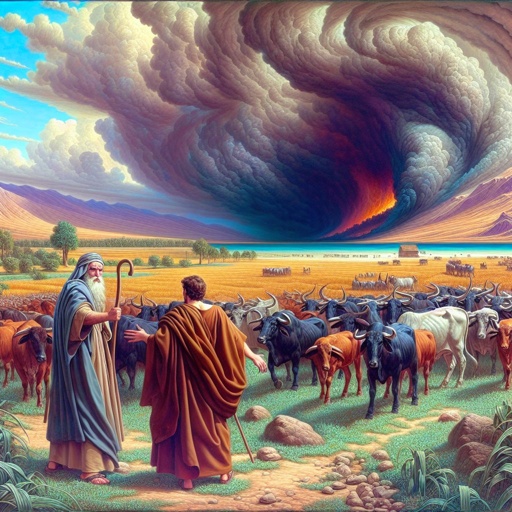
Exodus 9:21 - "And he that regarded not the word of the LORD left his servants and his cattle in the field."

Exodus 21:17 - "¶ And he that curseth his father, or his mother, shall surely be put to death."

Exodus 21:15 - "¶ And he that smiteth his father, or his mother, shall be surely put to death."

Exodus 33:21 - "And the LORD said, Behold, there is a place by me, and thou shalt stand upon a rock:"