Justice and Compassion: Understanding the Heart of God in Exodus 21:20
“And if a man smite his servant, or his maid, with a rod, and he die under his hand; he shall be surely punished.” — Exodus 21:20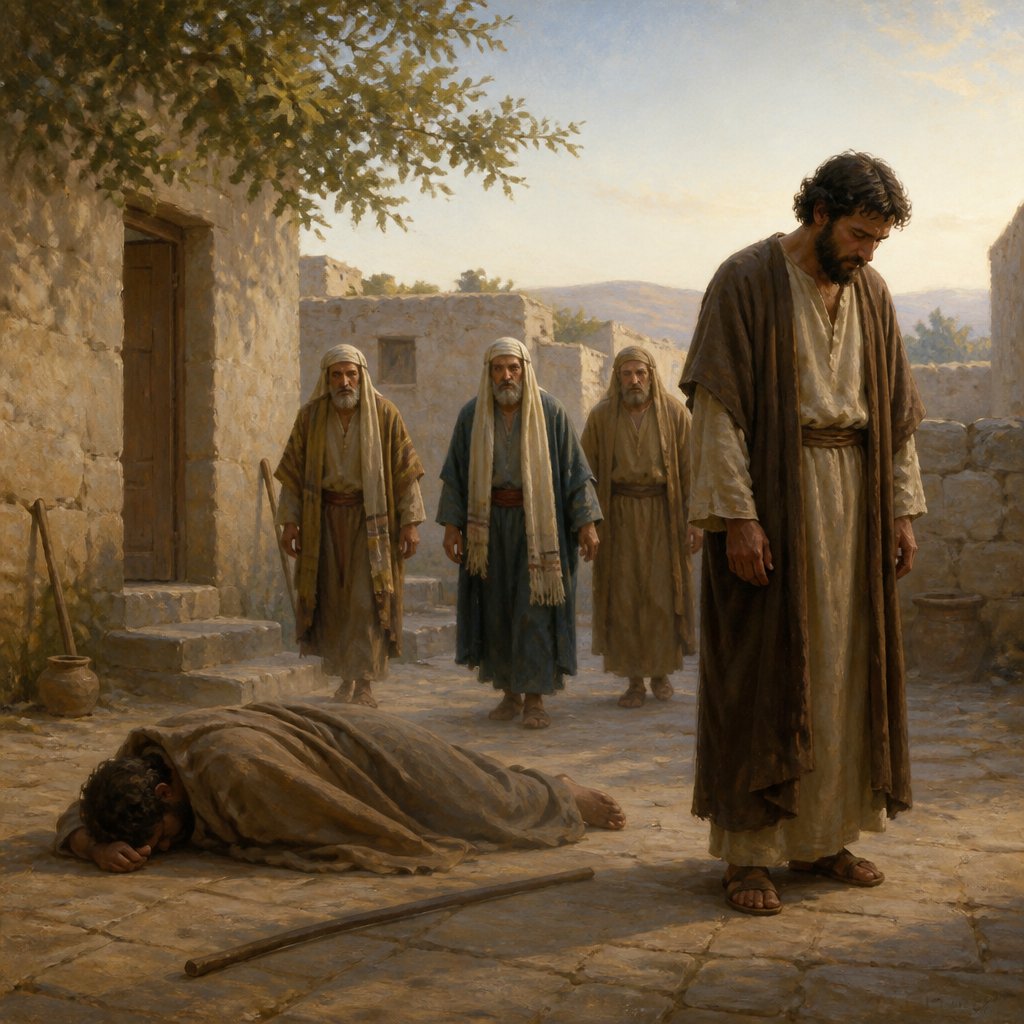
The Bible is a profound source of wisdom, guiding us through the complexities of human relationships and the moral imperatives of justice and compassion. One such verse that stirs deep reflection is Exodus 21:20, which reads: "And if a man smite his servant, or his maid, with a rod, and he die under his hand; he shall be surely punished." At first glance, this verse may seem harsh, echoing a time of laws and practices vastly different from our own. However, it invites us into a deeper understanding of God's heart for justice, care for the vulnerable, and the ethical treatment of others.
In the ancient culture where this law was given, servitude was a common practice. While it is not equated with modern slavery, the servant's status was nonetheless one of vulnerability. God’s instruction here emphasizes that life is invaluable, and it transcends social status. The law recognizes that even servants are deserving of dignity and protection. This is crucial because it reflects God's universal viewpoint on humanity—each individual is made in His likeness and loved by Him, regardless of their position.
When Exodus 21:20 states that a master who causes the death of a servant should be "surely punished," it underscores that God holds everyone accountable for their actions, especially those in positions of authority. It serves as a divine reminder that power is not a license for cruelty but a call to stewardship. Throughout scripture, we find God's consistent opposition to oppression and injustice. Psalm 82:3 commands, "Defend the poor and fatherless: do justice to the afflicted and needy." Here in Exodus, God ensures that even the most powerless among us are not overlooked in matters of justice.
The phrase "he shall be surely punished" indicates the seriousness with which God views harm done to another, drawing a line between permissible actions and actions that fundamentally compromise human life. This prescription of punishment also ensures that justice is served promptly, maintaining social order and protecting the rights of the vulnerable. It is an early reflection of the moral law that would later be beautifully summarized by Jesus in Matthew 22:39: "Thou shalt love thy neighbour as thyself." In essence, God’s laws are rooted in love, aiming to guide humanity toward righteousness and mutual respect.
Yet, as we reflect on this verse, we are called not only to understand the rules but also the underlying character of God. This is a God who cares deeply about the oppressed, who stands with the downtrodden, and who promises that there is no injustice that escapes His notice. When we project compassion and empathy in our interactions, we echo the heart of God, transforming our communities and lives.
This scriptural engagement should prompt us to examine our own lives. In what ways do we exercise power over those around us? Are we attentive to how our actions impact others, especially those in vulnerable positions? In a world where we often struggle with inequalities and injustices, God calls us to be champions of justice, advocates for those who cannot speak for themselves, and bearers of love that seeks the restoration of relationships.
Ultimately, let's remember that the implications of Exodus 21:20 stretch beyond a legal directive. They challenge us to embody the very nature of God in our daily relationships—one of justice mixed with mercy. As we go forth in our lives, let us hold fast to the truth that God is deeply concerned with our treatments toward one another. Through our interactions, can we demonstrate that every life matters?
Get our apps


Artwork for Exodus 21:20

Exodus 21:20 - "¶ And if a man smite his servant, or his maid, with a rod, and he die under his hand; he shall be surely punished."
"¶ And if a man smite his servant, or his maid, with a rod, and he die under his hand; he shall be surely punished." - Exodus 21:20

Exodus 20:21 - "And the people stood afar off, and Moses drew near unto the thick darkness where God was."

"And the people stood afar off, and Moses drew near unto the thick darkness where God was." - Exodus 20:21

Exodus 15:20-21 - "Then Miriam the prophet, Aaron’s sister, took a tambourine and led all the women as they played their tambourines and danced. And Miriam sang this song: “Sing to the Lord, for he has triumphed gloriously; he has hurled both horse and rider into the sea.”"

Exodus 14: 21

Exodus 23:20

Exodus 20:2

Exodus 27:20

Exodus 27:20

Exodus 27:20

Exodus 20:14

Exodus 14: 21

Exodus 15:21

Exodus 21:21 - "Notwithstanding, if he continue a day or two, he shall not be punished: for he is his money."

Luke 13:20-21

Luke 13:20-21
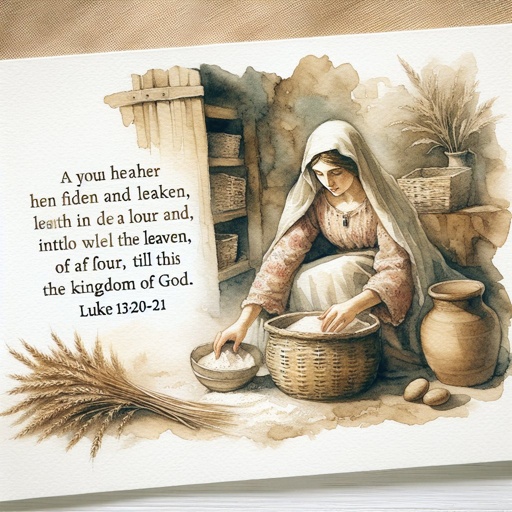
Luke 13:20-21

Luke 13:20-21

Luke 13:20-21

Exodus 20:15 - "Thou shalt not steal."

Exodus 20:13 - "Thou shalt not kill."

Exodus 27:19-20

Genesis 21-20

John 20:21

Exodus 19:16-20

Exodus 27:19-21

Exodus 20:14 - "Thou shalt not commit adultery."

Exodus 6:21 - "¶ And the sons of Izhar; Korah, and Nepheg, and Zichri."

Job 3:20-21 - "Job 3:20-21: Why is light given to those in misery, and life to the bitter of soul, to those who long for death that does not come, who search for it more than for hidden treasure?"