The Weight of Responsibility: Understanding Exodus 21:31
“Whether he have gored a son, or have gored a daughter, according to this judgment shall it be done unto him.” — Exodus 21:31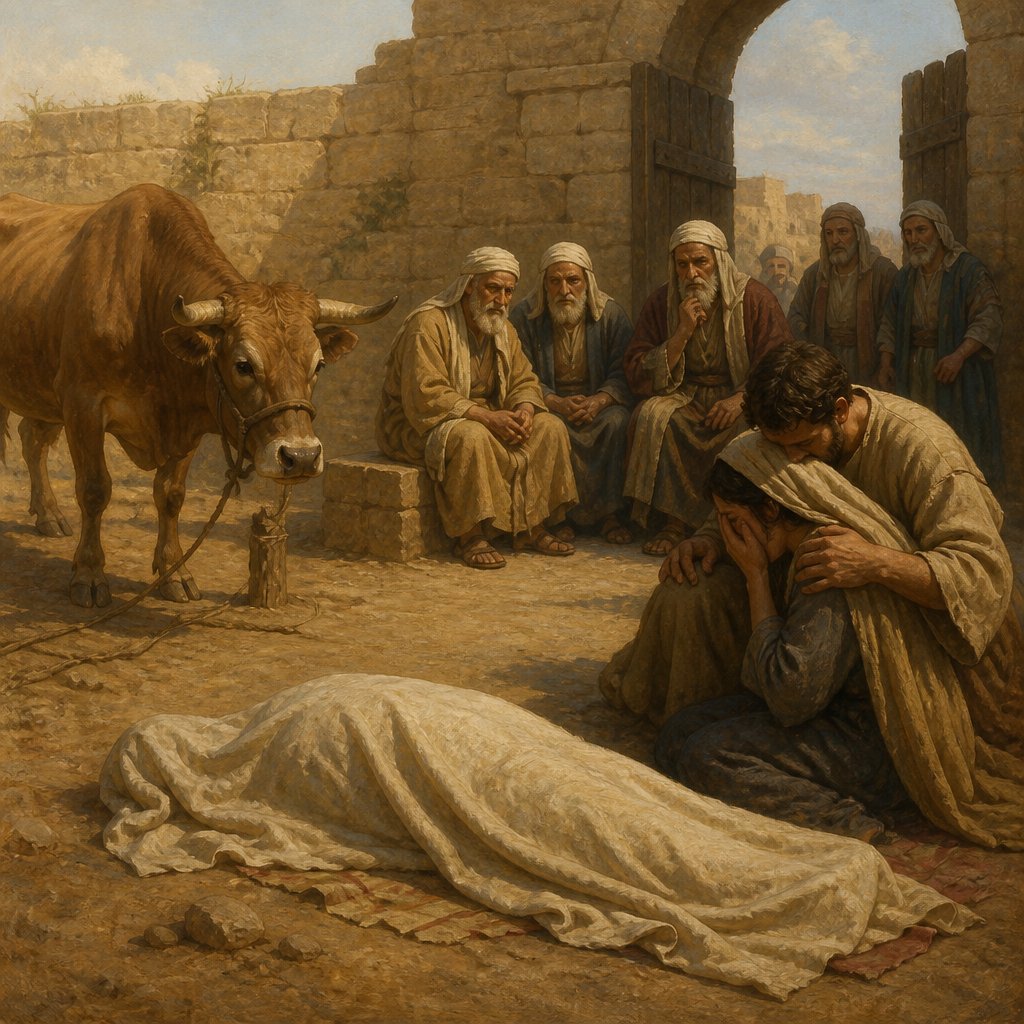
Exodus 21:31 states, "Whether he have gored a son, or have gored a daughter, according to this judgment shall it be done unto him." This verse, tucked within the Law given to Israel, unveils a profound principle of justice, responsibility, and the sanctity of life. While these words might initially appear harsh or distant from our modern understanding, they bear significance that we can apply to our lives today.
In the context of the ancient laws of Israel, this verse speaks to a situation of liability resulting from an animal's actions—specifically, a bull that has gored a person. The law stipulates specific penalties to be enacted based on the outcome of the incident. It's essential to understand that these laws were framed not only to ensure justice but also to uphold the intrinsic value of human life. Every individual, whether son or daughter, is treated with equal respect under the law, which echoes a divine ordinance: life is precious in all its forms.
As we delve deeper, it's critical to consider the broader implications of this judgment. The goring of a child by an ox isn't merely about the animal's behavior; it is also about the owner's responsibility. Here lies a vital truth: our actions, whether direct or indirect, carry consequences, especially when they affect the lives of others. This ownership includes ensuring that what is entrusted to us, be it animals, relationships, or ideals, is handled with care and respect. The weight of responsibility comes with the territory of stewardship, and the Law insists that accountability must be taken seriously.
In our modern world, where personal responsibility often seems diluted, this biblical injunction challenges us to reflect on how we treat the lives and well-being of others around us. Do we consider the potential impact of our actions, be it in our families, workplaces, or communities? The commandment reminds us that negligence, whether with intent or ignorance, can lead to irreversible consequences. Inaction can sometimes be as damaging as a deliberate act, especially when we fail to safeguard those in our care.
Moreover, the verse touches upon the sanctity of family. The mention of both son and daughter illustrates that God's judgement and care extend universally across gender lines, highlighting that both genders are equally valuable and precious. We are reminded to cultivate relationships that honor each person's worth and dignity. How often do we overlook or undervalue those closest to us? This judgment implores us to nurture our responsibilities toward our family members, ensuring their physical, emotional, and spiritual well-being.
As believers, we are called to reflect Christ’s love, compassion, and justice everywhere we go. In Matthew 18:10, Jesus refers to children as those who have angels in heaven and tells us, "Take heed that ye despise not one of these little ones." God established these laws in Exodus not just for punishment but for protection. They were intended to safeguard life in all its dimensions and remind us of our duty to protect the vulnerable. As followers of Christ, we are tasked each day to embody His teachings through our actions and attitudes.
In conclusion, the principles found in Exodus 21:31 resonate far beyond the specifics of ancient law; they call us to examine our lives through the lens of responsibility and respect for others. As we embrace these truths, let us walk in such a manner that honors life, fosters loving relationships, and exemplifies the justice of God in our everyday dealings. Knowing the weight of our actions, let us strive to live with intentionality, allowing our lives to reflect the love and holiness of our Creator.
Get our apps


Artwork for Exodus 21:31

Exodus 21:31 - "Whether he have gored a son, or have gored a daughter, according to this judgment shall it be done unto him."
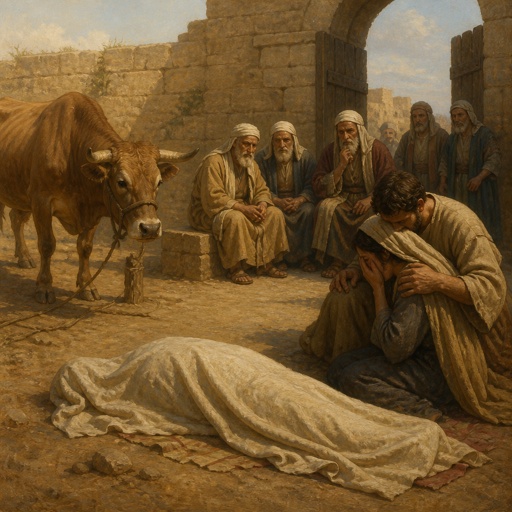
"Whether he have gored a son, or have gored a daughter, according to this judgment shall it be done unto him." - Exodus 21:31

Exodus 31: 18

Exodus 25:31

Exodus 26:31

Exodus 26:31

Exodus 26:31

Proverbs 31:21

Exodus 28:31-43

Exodus 28:31-34

Matthew 21:31

Genesis 21-31

Exodus 28:31-43

Exodus 28:31-34

Exodus 26:31-33

Exodus 28:31-34

Exodus 31:12 - "¶ And the LORD spake unto Moses, saying,"

Exodus 31:1 - "And the LORD spake unto Moses, saying,"

Exodus 9:31 - "And the flax and the barley was smitten: for the barley was in the ear, and the flax was bolled."

Exodus 28:31 - "¶ And thou shalt make the robe of the ephod all of blue."

Numbers 21:31 - "¶ Thus Israel dwelt in the land of the Amorites."

Exodus 31:4 - "To devise cunning works, to work in gold, and in silver, and in brass,"

Exodus 25:31-40 This is an oil lampstand.

Exodus 40:31 - "And Moses and Aaron and his sons washed their hands and their feet thereat:"

Exodus 14: 21

Exodus 31:9 - "And the altar of burnt offering with all his furniture, and the laver and his foot,"

Exodus 14: 21

Exodus 15:21

Proverbs 21:31 - "The horse is prepared against the day of battle: but safety is of the LORD."

Exodus 21:21 - "Notwithstanding, if he continue a day or two, he shall not be punished: for he is his money."