Remembering Our Journey: Embracing the Stranger Among Us
“Thou shalt neither vex a stranger, nor oppress him: for ye were strangers in the land of Egypt.” — Exodus 22:21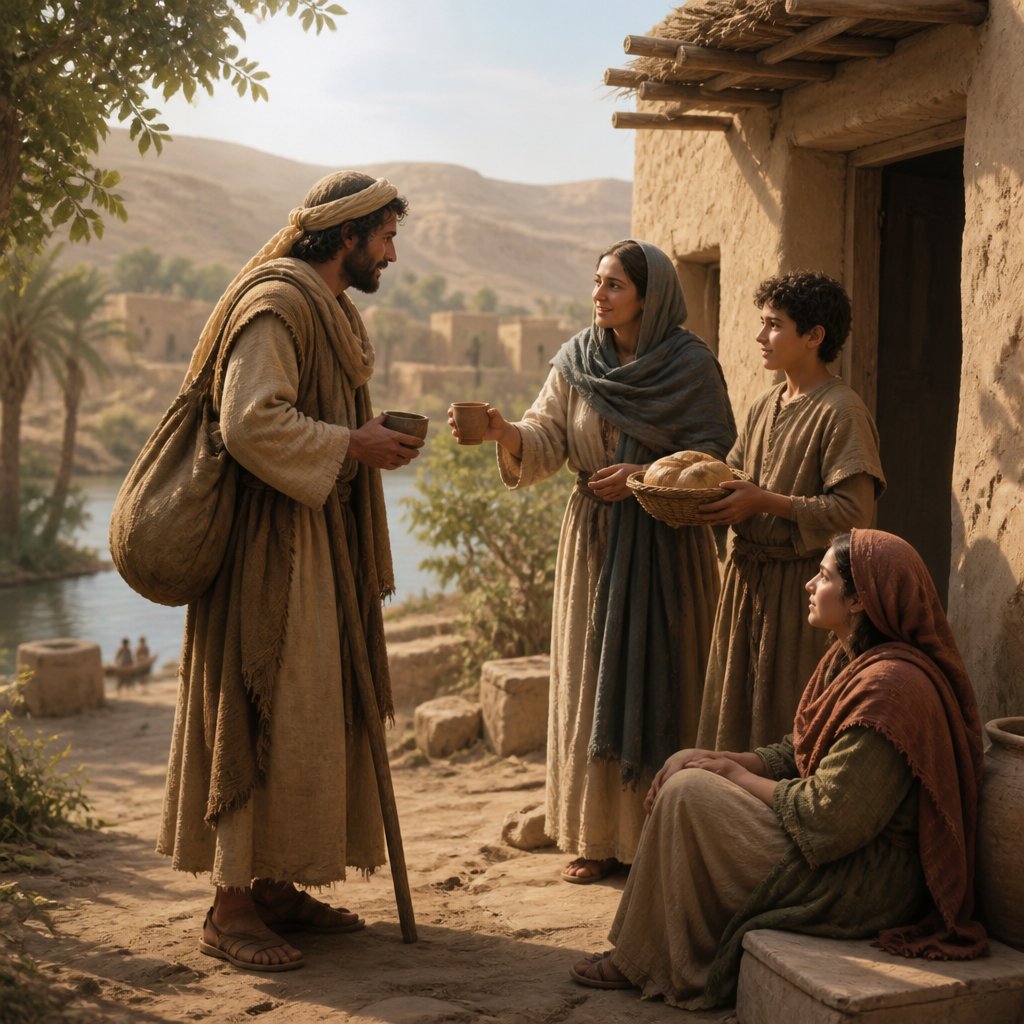
The verse Exodus 22:21 from the King James Version states, "Thou shalt neither vex a stranger, nor oppress him: for ye were strangers in the land of Egypt." This directive, born from the heart of God, captures profound truths about our identity, our shared humanity, and the implications of empowerment through remembrance.
To vex or oppress a stranger is not merely a simple act of injustice; it is the result of forgetting our own stories. The Israelites were called to remember their time in Egypt—not only because they underwent intense suffering but because they emerged from it with a shared history of vulnerability. When we recall where we came from, it shapes how we treat those who seek compassion in our midst today.
God reminds the Israelites of their past to influence their present behaviors. They once lived as aliens, subject to the whims of a pharaoh who did not know their plight, but now they are called to build a society rooted in justice and empathy. This is a divine call to compassion: a recognition that their liberation should serve as a catalyst for kindness towards others who find themselves in similar predicaments.
The application of this mandate is as relevant today as it was for the Israelites centuries ago. In our increasingly globalized society, the presence of strangers—immigrants, refugees, and marginalized communities—invites us to reflect on our attitudes and actions. Are we fostering environments of welcome, or are we erecting walls of exclusion? Are we responding with open hearts, or do we allow fear and misunderstanding to dictate our social dynamics?
In the Gospel of Matthew (Matthew 25:35), Jesus expands on this idea by emphasizing the dignity of every stranger when He says, "For I was an hungred, and ye gave me meat: I was thirsty, and ye gave me drink: I was a stranger, and ye took me in." Here, Jesus highlights the importance of being proactive in our compassion towards those who may feel unwelcome, underlining the expectation of action in our faith. The echo of Exodus 22:21 persists through the life of Jesus, challenging us to walk in His footsteps toward those who are vulnerable.
Moreover, pressing into the personal implications of this command, we must ask ourselves: have we recognized the strangers in our own lives? Have we looked past our biases, stereotypes, or even disinterest to engage with those who come from different backgrounds? Such encounters often require vulnerability, as they take us outside of our comfort zones. However, it is through these engagements that we can experience the fullness of God’s love.
Additionally, the church is called to be a sanctuary for the stranger. When we join together as a community of faith, we should embody the principles of love, acceptance, and support. This is not solely about providing resources—although that is essential—but also about building relationships. It is a reminder that every interaction we have with those on the fringes of society is an opportunity to express God’s love, to comfort, and to advocate for justice. It is about creating spaces where fears can be transformed into understanding, and isolation can convert to belonging.
In conclusion, Exodus 22:21 is a clarion call to reflect upon the essence of who we are in God’s family. It compels us to be mindful of our past and calls us to foster an active spirit of compassion toward every stranger we encounter. May we be ambassadors of reconciliation, using our history not as a shield of superiority, but as a foundation of empathy and a bridge to those who need to recognize their worth. Our unique journeys can illuminate the path for others, inviting them into a community characterized by love and acceptance.
Get our apps


Artwork for Exodus 22:21
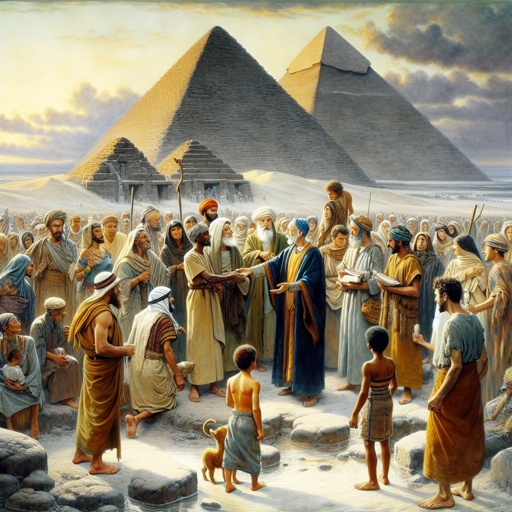
Exodus 22:21 - "¶ Thou shalt neither vex a stranger, nor oppress him: for ye were strangers in the land of Egypt."
"¶ Thou shalt neither vex a stranger, nor oppress him: for ye were strangers in the land of Egypt." - Exodus 22:21
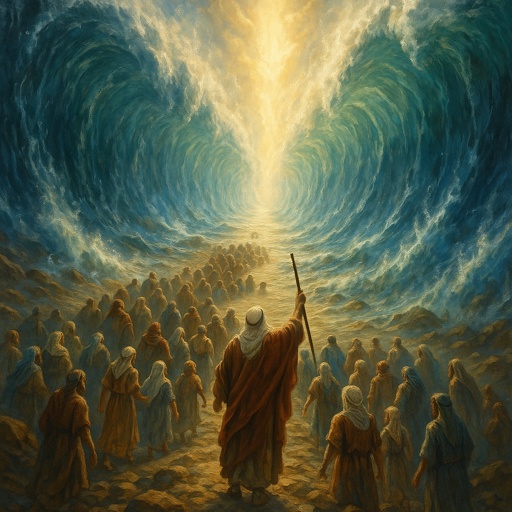
"And Moses stretched out his hand over the sea; and the LORD caused the sea to go back by a strong east wind all that night, and made the sea dry land, and the waters were divided. And the children of Israel went into the midst of the sea upon the dry ground: and the waters were a wall unto them on their right hand, and on their left." - Exodus 14:21-22
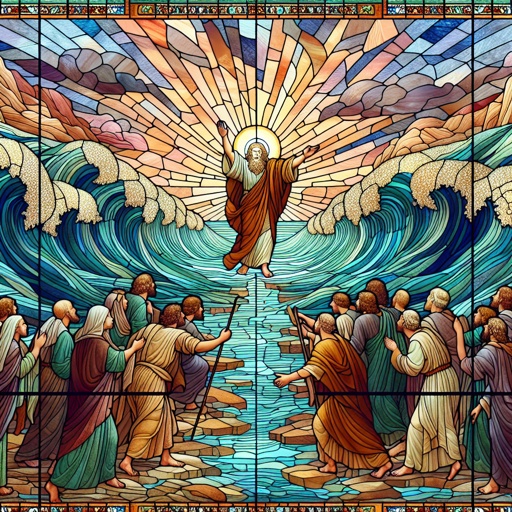
Exodus 14:21-22 KJV (21) And Moses stretched out his hand over the sea; and the LORD caused the sea to go back by a strong east wind all that night, and made the sea dry land, and the waters were divided. (22) And the children of Israel went into the midst of the sea upon the dry ground: and the waters were a wall unto them on their right hand, and on their left.
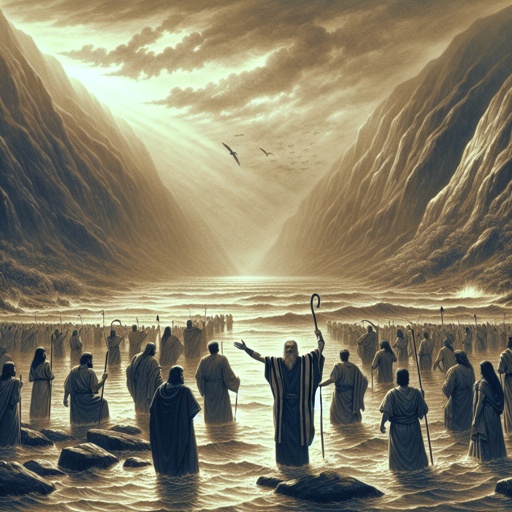
Exodus 14:21-22 KJV (21) And Moses stretched out his hand over the sea; and the LORD caused the sea to go back by a strong east wind all that night, and made the sea dry land, and the waters were divided. (22) And the children of Israel went into the midst of the sea upon the dry ground: and the waters were a wall unto them on their right hand, and on their left.
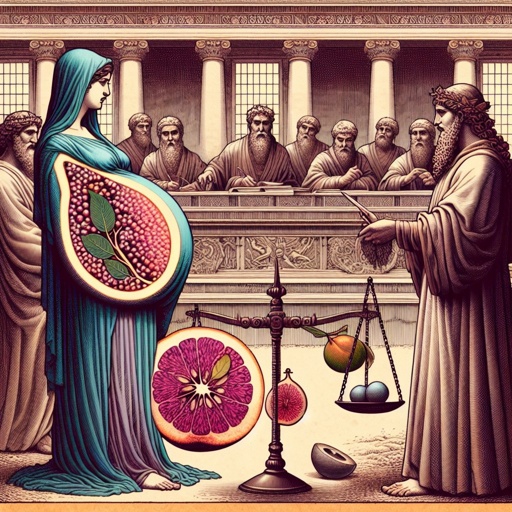
Exodus 21:22 - "¶ If men strive, and hurt a woman with child, so that her fruit depart from her, and yet no mischief follow: he shall be surely punished, according as the woman's husband will lay upon him; and he shall pay as the judges determine."

Exodus 22:22 - "¶ Ye shall not afflict any widow, or fatherless child."

Exodus 22:28

Exodus 15:22

Exodus 22:28

Exodus 22:28

Exodus 22:28

Exodus 22:28

Exodus 14: 21

Exodus 22:28

Exodus 22:28

Exodus 22:28

Exodus 22:28

Exodus 22:5

Exodus 22:5

Exodus 22:28

Exodus 22:28

Exodus 22:28

Exodus 22:28

Exodus 22:28

Exodus 22:5

Exodus 14: 21

Exodus 15:21

Matthew 9:21-22

Matthew 9:21-22