The Fires We Ignite: A Call to Responsibility
“If fire break out, and catch in thorns, so that the stacks of corn, or the standing corn, or the field, be consumed therewith; he that kindled the fire shall surely make restitution.” — Exodus 22:6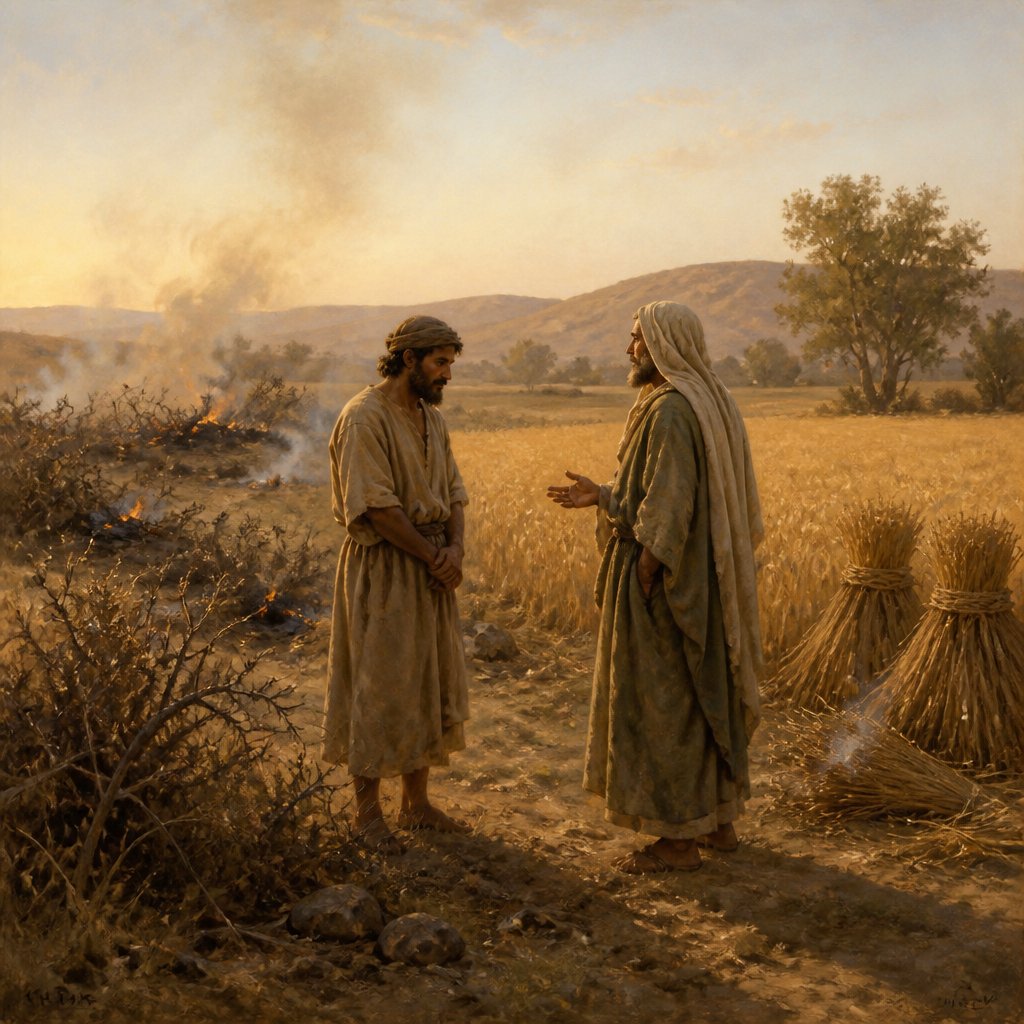
In a world where actions often possess far-reaching effects, Exodus 22:6 serves as a powerful reminder of the responsibility we bear for our actions. The King James Version articulates this truth with clarity: "If fire break out, and catch in thorns, so that the stacks of corn, or the standing corn, or the field, be consumed therewith; he that kindled the fire shall surely make restitution." This verse speaks not only to the physical act of setting a fire but also metaphorically discusses the repercussions of our actions in life.
**Understanding the Context**
The book of Exodus is a foundational text in understanding God’s laws and expectations for His people. This particular instruction comes from a series of civil laws intended to establish justice and ensure the community's well-being. The imagery of fire is poignant—it is both a source of life and a potential harbinger of destruction. Fire can keep us warm, cook our food, or light up our way in darkness, yet, when mismanaged, it can lay waste to homes, livelihoods, and lives.
Here, thorns represent the potential pitfalls within our lives—situations or choices that, while seemingly harmless, can lead to significant destruction. As life is filled with unpredictable outcomes, it is necessary to consider the fires we ignite when making decisions.
**Personal Responsibility**
The phrase, “he that kindled the fire,” emphasizes personal responsibility. It calls us to reflect on those moments when our thoughtless words, hasty decisions, or careless actions can lead to unintended consequences. Just as a fire can spread rapidly, so too can the repercussions of our actions. Think about the gossip that escapes our lips or the angry words that spill out during an argument. These may feel insignificant in the moment, yet their ramifications can be vast, damaging relationships, and leaving scars that take time to heal.
The call for restitution indicates that we are expected to take responsibility for our actions. The biblical principle of restitution isn’t merely about compensation; it is an acknowledgment of wrongdoing and a step toward reconciliation. When we harm others—whether through negligence, insensitivity, or outright malice—we are called to restore what has been broken.
**Spiritual Reflection**
As believers, we are constantly reminded that our actions are tied to a higher calling. We are urged to be stewards of God’s grace, reflecting His character in how we interact with others. The New Testament teaches us that we will be held accountable for our actions. Galatians 6:7 states, "For whatsoever a man soweth, that shall he also reap." This reinforces the principle from Exodus 22:6: the idea that there are consequences to our actions, and those consequences will often affect not just ourselves but also those around us.
**Consider the Fields**
Imagine the farmers' feelings as they watch their fields—a symbol of their hard work and provision—go up in flames. Fields are not just land; they represent dreams, sustenance, and the labor of love. Similarly, we may have our own "fields"—our relationships, work, and personal growth. Every interaction we have can nourish these fields or allow weeds to creep in and threaten their health.
**Conclusion: Ignite with Intention**
As we contemplate Exodus 22:6, let us commit to being aware of the fires we kindle in our lives. Let’s strive to ignite fires of love, compassion, and understanding—fires that warm rather than consume.
May we be ever mindful of our actions, ensuring that they lead to restoration and not destruction. In a time when polarization and conflict often rule the day, let us choose to engage with grace and responsibility. In doing so, we will not only honor the calling God has placed on our lives but also the welfare of those around us, embodying the very heart of Christ in our daily actions.
Get our apps


Artwork for Exodus 22:6

Exodus 22:6 - "¶ If fire break out, and catch in thorns, so that the stacks of corn, or the standing corn, or the field, be consumed therewith; he that kindled the fire shall surely make restitution."
"¶ If fire break out, and catch in thorns, so that the stacks of corn, or the standing corn, or the field, be consumed therewith; he that kindled the fire shall surely make restitution." - Exodus 22:6

Exodus 6:22 - "And the sons of Uzziel; Mishael, and Elzaphan, and Zithri."
"And the sons of Uzziel; Mishael, and Elzaphan, and Zithri." - Exodus 6:22

Exodus 22:22 - "¶ Ye shall not afflict any widow, or fatherless child."

Exodus 22:28

Exodus 15:22

Exodus 22:28

Exodus 22:28

Exodus 22:28

Exodus 22:28

Exodus 22:28

Exodus 22:28

Exodus 22:28

Exodus 22:28

Exodus 22:5

Exodus 22:5

Exodus 22:28

Exodus 22:28

Exodus 22:28

Exodus 22:28

Exodus 22:28

Exodus 22:5

Exodus 25:10-22

Exodus 22:18 - "¶ Thou shalt not suffer a witch to live."

Exodus 30:22 - "¶ Moreover the LORD spake unto Moses, saying,"

Exodus 22:19 - "¶ Whosoever lieth with a beast shall surely be put to death."

Exodus 17:6

Exodus 17:6

Exodus 17:6