The Value of Accountability: Lessons from Exodus 22:13
“If it be torn in pieces, then let him bring it for witness, and he shall not make good that which was torn.” — Exodus 22:13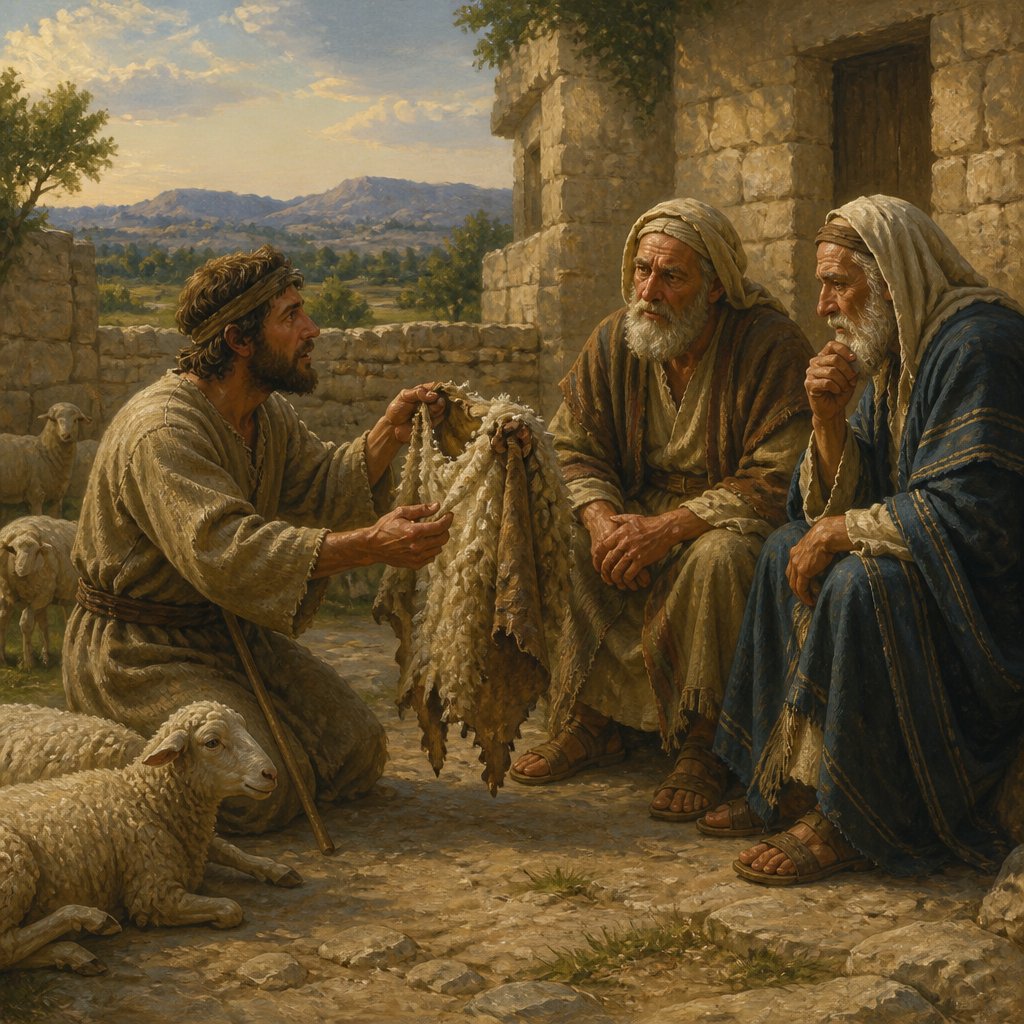
In Exodus 22:13, we find a profound but succinct directive from God to His people: "If it be torn in pieces, then let him bring it for witness, and he shall not make good that which was torn." At first glance, this verse may seem to pertain to an agricultural or financial transaction, addressing the responsibility of shepherds and owners regarding the livestock they maintain. However, the deeper implications of this commandment extend beyond mere animal husbandry into the realms of accountability, community, and God's character.
To understand this verse fully, we must consider its context. Exodus 22 is part of a broader set of laws given to the Israelites, providing guidelines for community living and ethical interactions among people. This particular verse speaks about the scenario where an animal is harmed or lost under questionable circumstances. The owner of the animal has a duty to prove what happened, and if the animal was indeed torn apart by a predator, then the responsible party is not held liable. This illustrates a foundational principle: accountability stems from clarity and testimony.
In our lives today, accountability is just as critical in our relationships and occupations. Each of us is entrusted with responsibilities, whether in our families, workplaces, or communities. The principle here teaches us that when we are accountable, we create a culture of trust. We should not fear transparency but embrace it, as it strengthens our connections and fosters growth. The echo of this Biblical instruction challenges us to own up to our actions and to approach our responsibilities with integrity and honesty.
Moreover, this verse reflects the character of God. He desires justice and righteousness in our dealings with one another. The emphasis on bringing forth evidence shows that God values truth and transparency. He is not interested in arbitrary justice but in justice that has full understanding and discernment. This understanding is crucial as we cultivate our own character in our spiritual journeys. God calls us to reflect His nature in how we handle situations of grievance, loss, and accountability. As He seeks the truth, we, too, must pursue it in our lives.
Consider the broader implications of being torn apart—this could symbolize anything in our lives that suffers damage, whether it's our relationships, dreams, or moral integrity. Life's difficulties can tear at us, sometimes leaving us in a vulnerable state. In those moments, it is essential to bring forth our pain, our struggles, and our truths to God and others. When we present our brokenness honestly, rather than attempting to hide it or pretend it’s not there, we can experience restoration. God desires us to be whole, and only by reckoning with the reality of our situation can we invite Him into our healing process.
Furthermore, when we reflect upon our own actions, it invites examination of how we handle the ‘torn’ situations in other people's lives. Are we supportive witnesses to their challenges? Do we help them seek truth rather than judgment? As we consider the weight of responsibility in our encounters, we should ask ourselves whether we contribute to a culture of grace or one of condemnation.
In practice, the call to accountability from Exodus 22:13 encourages us to not only fulfill our obligations but to ensure we act with transparency and fairness. This is a radical counter to the self-serving tendencies of humanity. It is a community-oriented approach that expects individuals to be meticulous stewards of their own actions and considerate of how those actions affect others.
Ultimately, Exodus 22:13 invites us into a deeper understanding of God's call for justice, accountability, and community care. As we meditate on this verse, let us seek to embody a spirit of transparency, develop relationships built on trust, and support each other in the challenging times of life, recognizing that when we bring our torn pieces before God and one another, He can bring healing, restoration, and renewed purpose.
Get our apps


Artwork for Exodus 22:13
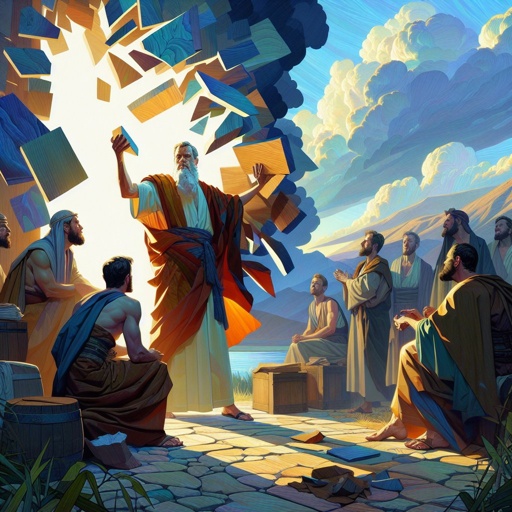
Exodus 22:13 - "If it be torn in pieces, then let him bring it for witness, and he shall not make good that which was torn."
"If it be torn in pieces, then let him bring it for witness, and he shall not make good that which was torn." - Exodus 22:13

Exodus 13:22 - "He took not away the pillar of the cloud by day, nor the pillar of fire by night, from before the people."
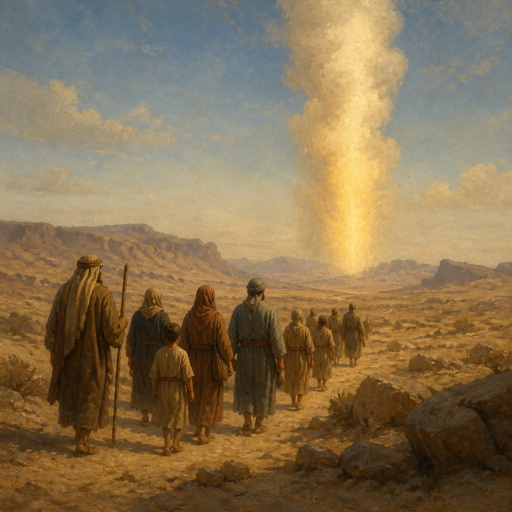
"He took not away the pillar of the cloud by day, nor the pillar of fire by night, from before the people." - Exodus 13:22

Exodus 22:22 - "¶ Ye shall not afflict any widow, or fatherless child."

Exodus 15:22

Exodus 22:28

Exodus 22:28

Exodus 22:28

Exodus 22:28

Exodus 22:28

Exodus 22:28

Exodus 22:28

Exodus 22:5

Exodus 22:28

Exodus 22:28

Exodus 22:28

Exodus 22:28

Exodus 22:28

Exodus 22:5

Exodus 22:28

Exodus 22:28

Exodus 22:5

Exodus 25:10-22

Exodus 14:13

Exodus 14:13

Exodus 14:13

Exodus 14:13

Exodus 14:13

Exodus 14:13