What does Exodus 22:13 mean?
“If it be torn in pieces, then let him bring it for witness, and he shall not make good that which was torn.” — Exodus 22:13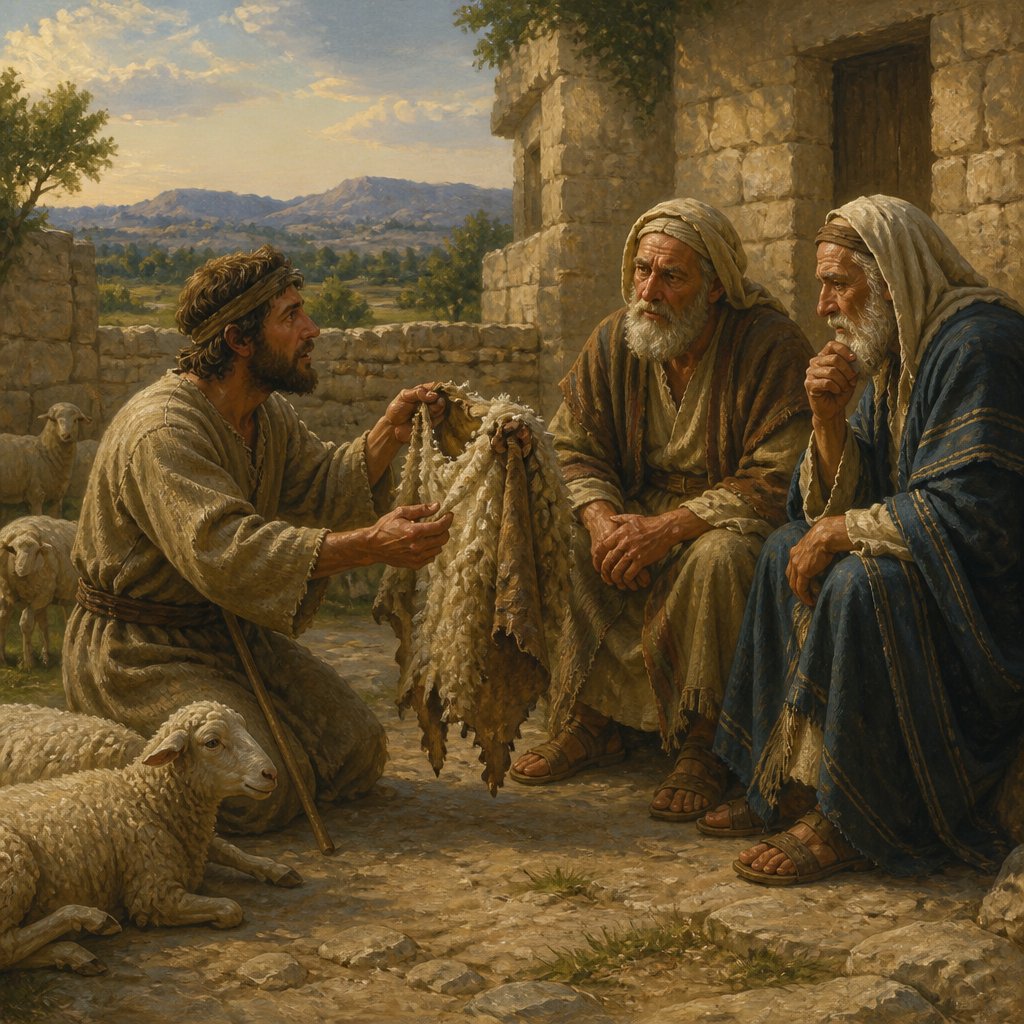
Exodus 22:13 (KJV) states, "If it be torn in pieces, then let him bring it for witness, and he shall not make good that which was torn." This verse is found in the Old Testament of the Bible and is a part of the legal code that God gave to the Israelites through Moses. The laws in the book of Exodus are designed to provide order and justice for the Israelite community, and this specific verse deals with the issue of stolen or damaged property.
The context of this verse is important for understanding its significance. In the preceding verses, God gives instructions for how to handle disputes between neighbors and how to protect one's property. The verse just before it, Exodus 22:12, states, "And if it be stolen from him, he shall make restitution unto the owner thereof." This verse sets the stage for the following verse by establishing the consequences for theft. Exodus 22:13 serves as a clarification and extension of the principle of making restitution for stolen property by focusing specifically on the scenario when an animal is torn apart, presumably by a wild animal.
From a legal perspective, this verse addresses the issue of responsibility for property that has been damaged or destroyed. In this verse, the focus is on an animal that has been torn in pieces, likely by a wild animal. The owner of the torn animal is instructed to bring the evidence of the animal's condition as witness, and then he is released from the obligation to make restitution. This provision alleviates the burden of proof for the owner, as it may be difficult to ascertain the circumstances surrounding the animal's demise.
The theme of justice and fairness is central to the message of this verse. It demonstrates God's concern for the well-being of individuals and their property, as well as his desire for just and equitable treatment in the community. The law outlined in Exodus 22:13 provides a balance between accountability for property damage and a recognition of the unpredictable and uncontrollable forces that may cause such damage.
Symbolically, Exodus 22:13 can be seen as a reflection of God's grace and mercy. The provision for the owner of the torn animal to be released from making restitution can be interpreted as a demonstration of God's understanding and compassion for His people. By allowing the owner to present evidence of the torn animal and be excused from making restitution, God provides a way for the individual to be free from undue hardship and burden.
Furthermore, the principle of restitution in this verse reflects the broader Biblical theme of making amends and seeking reconciliation. In cases of wrongdoing or harm, the Bible consistently emphasizes the importance of restitution and restoration. This verse serves as a reminder of the need for accountability and restitution, while also acknowledging the complexities of life and the importance of compassion and understanding.
In conclusion, Exodus 22:13 from the King James Version of the Bible addresses the issue of property damage and restitution. Its legal and ethical principles emphasize justice, fairness, and God's grace. It also serves as a symbol of God's understanding and compassion for His people. This verse underscores the importance of accountability and restitution while recognizing the unpredictable and uncontrollable forces that may cause harm. Overall, it offers a balanced and compassionate approach to matters of property and justice.
Get our apps


Artwork for Exodus 22:13
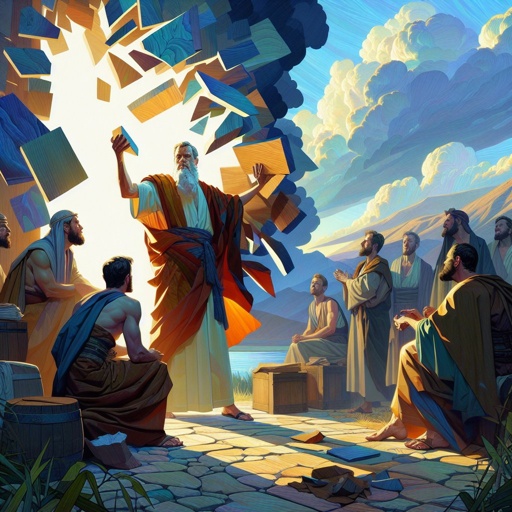
Exodus 22:13 - "If it be torn in pieces, then let him bring it for witness, and he shall not make good that which was torn."
"If it be torn in pieces, then let him bring it for witness, and he shall not make good that which was torn." - Exodus 22:13

Exodus 13:22 - "He took not away the pillar of the cloud by day, nor the pillar of fire by night, from before the people."
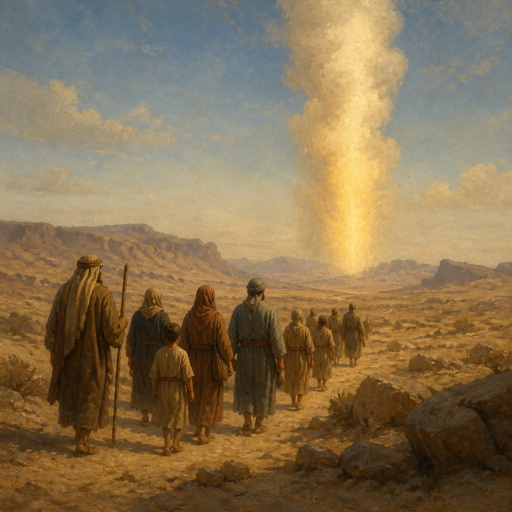
"He took not away the pillar of the cloud by day, nor the pillar of fire by night, from before the people." - Exodus 13:22

Exodus 22:22 - "¶ Ye shall not afflict any widow, or fatherless child."

Exodus 15:22

Exodus 22:28

Exodus 22:28

Exodus 22:28

Exodus 22:28

Exodus 22:28

Exodus 22:28

Exodus 22:28

Exodus 22:5

Exodus 22:28

Exodus 22:28

Exodus 22:28

Exodus 22:28

Exodus 22:28

Exodus 22:5

Exodus 22:28

Exodus 22:28

Exodus 22:5

Exodus 25:10-22

Exodus 14:13

Exodus 14:13

Exodus 14:13

Exodus 14:13

Exodus 14:13

Exodus 14:13