The Divine Pattern of Celebration: Understanding Exodus 23:14
“Three times thou shalt keep a feast unto me in the year.” — Exodus 23:14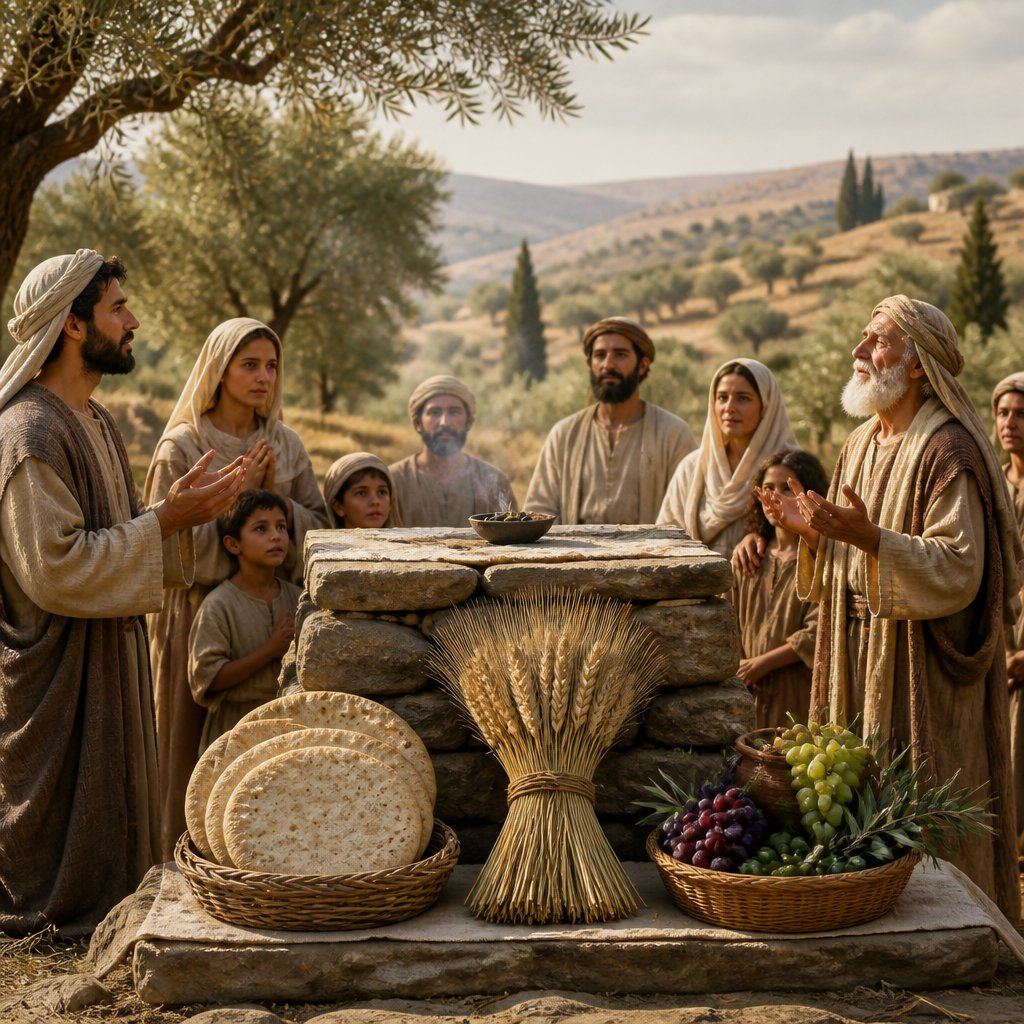
In Exodus 23:14, we read, “Three times thou shalt keep a feast unto me in the year.” This simple yet profound command from the Lord outlines a significant pattern that would shape the rhythm of the lives of the Israelites and provides us with essential insights into the heart of God regarding worship, remembrance, and community.
First, let’s explore the context of this command. The Israelites were a people who had been delivered from slavery in Egypt, having witnessed God’s mighty hand through plagues and the parting of the Red Sea. As they journeyed towards the Promised Land, God imparted laws that would guide their lives. The command to keep feasts was not merely for the sake of tradition but was divinely instituted for worship and reflection. It was a call to gather, to rejoice, and to remember God's faithfulness.
In essence, these feasts were significant moments where the people could pause from their daily labors and focus entirely on their relationship with God. It is no coincidence that the Lord stipulated three times in a year; the number three often symbolizes completeness in biblical terms. In this light, each feast was an opportunity for the Israelites to complete their annual cycle of worship through remembrance of the past, celebration of the present, and anticipation of the future.
The three feasts commanded by God were the Feast of Unleavened Bread (which includes Passover), the Feast of Harvest (or Pentecost), and the Feast of Ingathering (or Tabernacles). Each feast had its unique significance:
1. **The Feast of Unleavened Bread** commemorated the Exodus from Egypt. It was a time of remembrance where the Israelites would reflect on their deliverance and the significant event of the Passover, where death passed over them due to the blood of the lamb. As believers today, this reminds us of the salvation we have through Christ, our Lamb, whose blood marks us as freed from sin and death.
2. **The Feast of Harvest,** also known as Pentecost, was a celebration of the grain harvest. It also marked the giving of the Law at Mount Sinai. In this, we see a parallel to the day of Pentecost in Acts 2, where the Holy Spirit was given to empower believers. This feast beckons us to celebrate the blessings of God and recognize the importance of His law, which guides our lives.
3. **The Feast of Ingathering** marked the completion of the harvest season. It was a time of joy and thankfulness, where the people would gather to celebrate God's provision and faithfulness throughout the year. This feast emphasizes gratitude, a crucial aspect of our worship as we acknowledge God's daily provision.
The command to observe these feasts is a deliberate reminder of the importance of rhythm in our spiritual journeys. As we know, the hustle of daily life can often lead us away from moments of worship and reflection. God knew that His people needed scheduled times of festivity to develop a culture of gratitude and reliance on Him.
In our own lives, observing times of worship, whether individually or collectively, can greatly affect our spiritual vitality. Church services, family gatherings, or even personal retreats can serve as modern-day ‘feasts’ to reconnect with God and with the community of believers. It is in these moments we rejuvenate our spirits, strengthen our faith, and draw nearer to the Holy One.
Furthermore, the act of celebrating is a form of resistance against the trials and tribulations of life. It’s a manifestation of trust in God’s providence and goodness. When we feast—whether through joy, communion, or thanksgiving—we affirm our faith in the reality of God’s sustaining grace.
Ultimately, Exodus 23:14 is not just a historical prescription for ancient Israel; it is a timeless call to establish a rhythm of remembering and rejoicing in our spiritual lives. Today, as you reflect on this verse, consider how you can create moments of celebration that allow you to honor God, inspire community around you, and cultivate an attitude of thankfulness for His abundant blessings. Let us be faithful in observing these divine patterns that lead us closer to the heart of God.
Get our apps


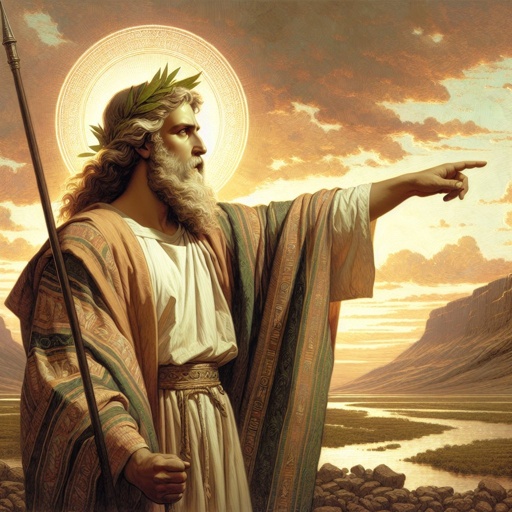
Artwork for Exodus 23:14

Exodus 23:14 - "¶ Three times thou shalt keep a feast unto me in the year."
"¶ Three times thou shalt keep a feast unto me in the year." - Exodus 23:14

Exodus 23:20

Exodus 23:4

Exodus 23:28

Exodus 15:23

Exodus 23:4
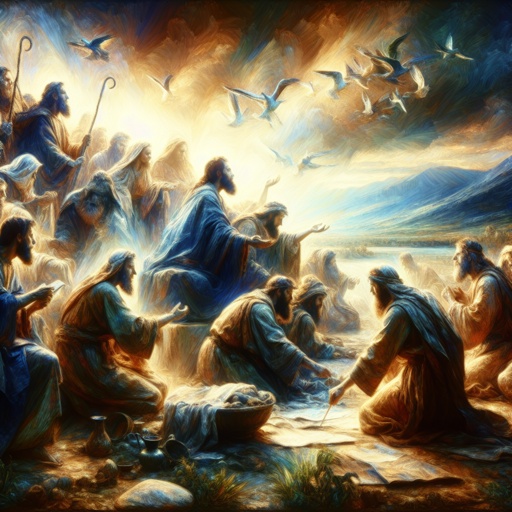
Exodus 15:23

Exodus 23:28
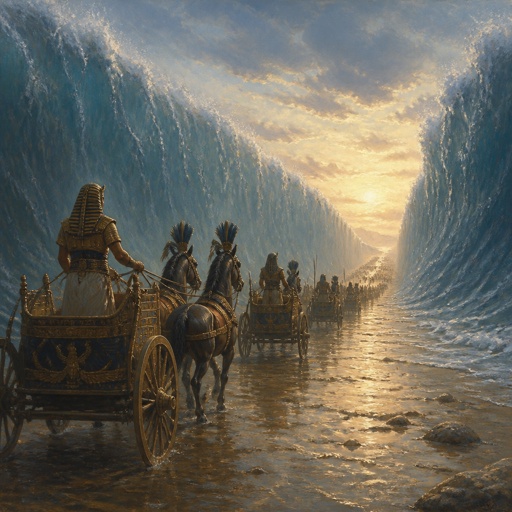
"¶ And the Egyptians pursued, and went in after them to the midst of the sea, even all Pharaoh's horses, his chariots, and his horsemen." - Exodus 14:23

Exodus 23:27-28

Exodus 14

Exodus 23:28-29

Exodus 14:13

Exodus 14:13

Exodus 14: 21

Exodus 14:13

Exodus 14:13

Exodus 14:13

Exodus 14:13

Exodus 14:13
Exodus 14:13

Exodus 14:13

Exodus 14:13
Exodus 14:13
Exodus 14:13
Exodus 14:13
Exodus 14:13

Exodus 3:14

Exodus 3:14