Justice for the Poor: A Divine Mandate
“Thou shalt not wrest the judgment of thy poor in his cause.” — Exodus 23:6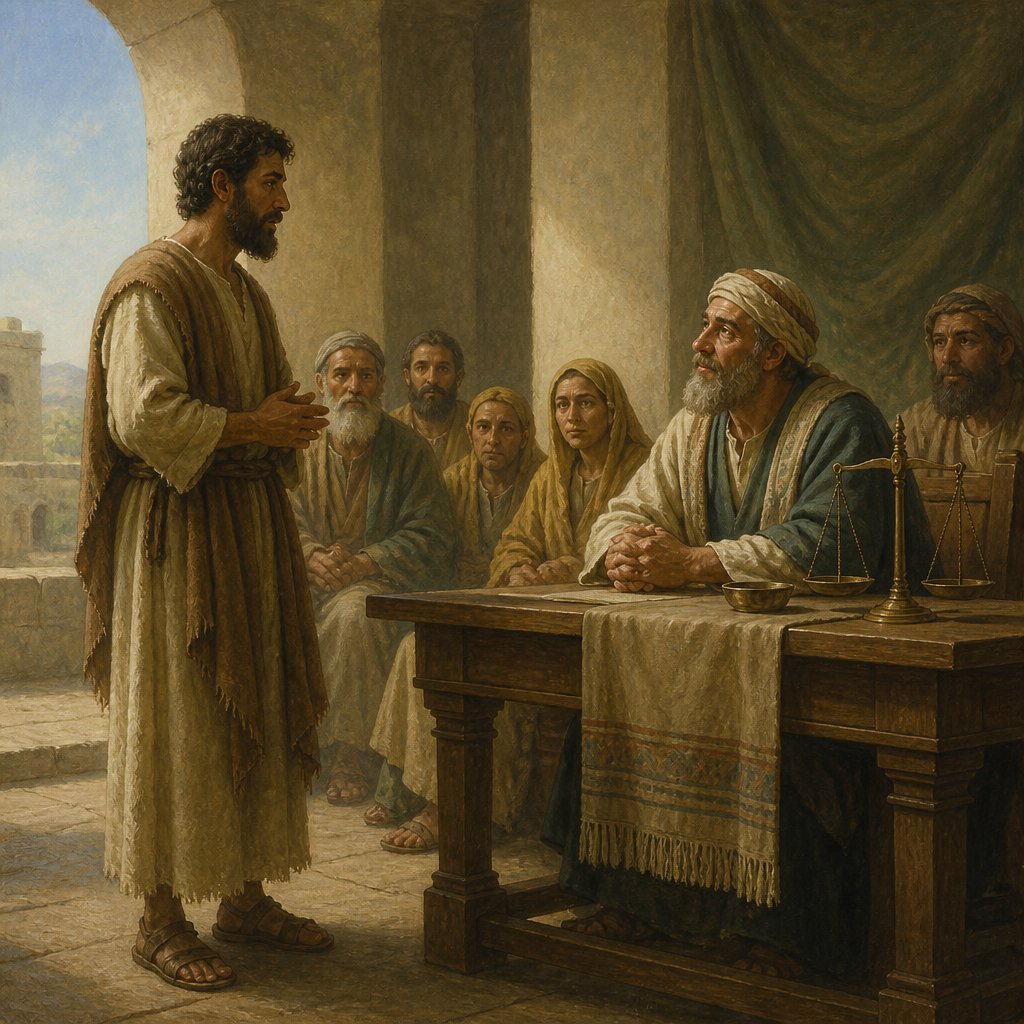
Exodus 23:6, KJV states, "Thou shalt not wrest the judgment of thy poor in his cause." This verse resonates deeply in our modern society, where the marginalized often struggle to be heard, and the scales of justice can be tipped by wealth, status, or influence. God, through His law, establishes a principle that underscores not merely a legal obligation but a moral imperative: to uphold the rights of the less fortunate and ensure that they receive fair judgment.
The context of this commandment comes from a time when the Israelites were being given laws to govern their society. In this ancient backdrop where tribal and communal living defined social interactions, many grievances were resolved through community leadership and elders. The vulnerable, including the poor, widows, and orphans, often found themselves at the mercy of those who could exploit their situation for selfish gain.
In this command, God directly addresses the potential for injustice against these marginalized individuals. The word "wrest" means to twist or distort. Thus, the Divine command warns us against perverting justice. It serves as a reminder that justice should not be influenced by the wealth or status of an individual. Everyone, regardless of their economic standing, deserves the right to fair treatment and representation.
God, in His infinite wisdom, has a heart for the poor and downtrodden, and several passages in Scripture highlight this. For instance, Proverbs 31:8-9 encourages us to "open thy mouth for the dumb in the cause of all such as are appointed to destruction. Open thy mouth, judge righteously, and plead the cause of the poor and needy." This reinforces that defending the rights of the poor is not merely a suggestion but a duty for those who follow God’s commandments.
In our contemporary world, the lessons from Exodus 23:6 are more relevant than ever. The plight of the poor can be seen in many forms today: systemic poverty, exploitation in labor markets, housing insecurity, and limited access to fair legal representation. The Church, as the body of Christ, is called to action. It shouldn't be the case where believers are indifferent or disengaged from the cries of the needy. Instead, we ought to embrace activism that promotes equity and support for those who are suffering.
As Christians, we are to be advocates of justice, standing up for the voiceless. James 1:27 reminds us that true religion is to visit orphans and widows in their affliction. In doing so, we reflect God's character, who Himself is always concerned about the needs of the powerless. The act of defending those who cannot defend themselves is a divine calling and one that brings glory to God.
We must consider our actions and our societal engagements. Are we promoting justice or turning a blind eye? Are we wrestling against the true nature of justice when we show favoritism based on wealth or personal connections? Every Christian must strive for integrity in their dealings and must be willing to speak out when they see injustice, regardless of the implications it may have for personal gain or social dynamics.
Furthermore, diligently following this commandment shapes our own character. It fosters empathy, compassion, and a commitment to moral righteousness. When we align ourselves with God’s desire for fair judgment, we cultivate a heart that reflects His love and grace.
In a world that often overlooks and mistreats the poor, Exodus 23:6 stands as a beacon of hope calling us to rise in defense of those who cannot defend themselves. Let us commit ourselves to this holy mandate, advocate for justice, and ensure that we are continually aligning our hearts with that of God’s—who cares deeply for the least of these.
Get our apps


Artwork for Exodus 23:6

Exodus 23:6 - "Thou shalt not wrest the judgment of thy poor in his cause."
"Thou shalt not wrest the judgment of thy poor in his cause." - Exodus 23:6

Exodus 6:23 - "And Aaron took him Elisheba, daughter of Amminadab, sister of Naashon, to wife; and she bare him Nadab, and Abihu, Eleazar, and Ithamar."

Exodus 23:20

Exodus 23:4

Exodus 23:28

Exodus 15:23

Exodus 23:4
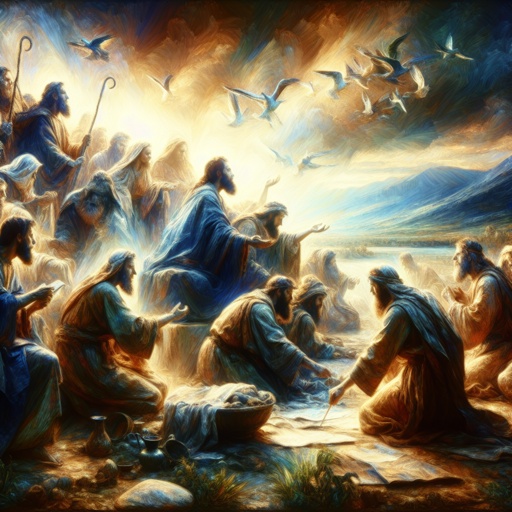
Exodus 15:23

Exodus 23:28

Exodus 23:27-28

Exodus 23:28-29

Matthew 6:23

Exodus 23:32 - "Thou shalt make no covenant with them, nor with their gods."
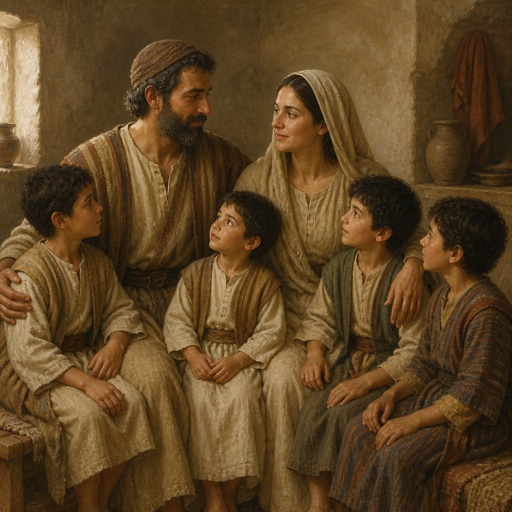
"And Aaron took him Elisheba, daughter of Amminadab, sister of Naashon, to wife; and she bare him Nadab, and Abihu, Eleazar, and Ithamar." - Exodus 6:23

Exodus 23:23 - "For mine Angel shall go before thee, and bring thee in unto the Amorites, and the Hittites, and the Perizzites, and the Canaanites, the Hivites, and the Jebusites: and I will cut them off."

Exodus 17:6

Exodus 17:6

Exodus 17:6

Exodus 17:6

Exodus 21:23 - "And if any mischief follow, then thou shalt give life for life,"

Exodus 23:3 - "¶ Neither shalt thou countenance a poor man in his cause."

Exodus 26:23 - "And two boards shalt thou make for the corners of the tabernacle in the two sides."

Exodus 36:23 - "And he made boards for the tabernacle; twenty boards for the south side southward:"

Romans 6:23

Romans 6:23

Exodus 23:14 - "¶ Three times thou shalt keep a feast unto me in the year."

Genesis 23-6

Exodus 23:8 - "¶ And thou shalt take no gift: for the gift blindeth the wise, and perverteth the words of the righteous."

Exodus 8:23 - "And I will put a division between my people and thy people: to morrow shall this sign be."