What does Exodus 23:6 mean?
“Thou shalt not wrest the judgment of thy poor in his cause.” — Exodus 23:6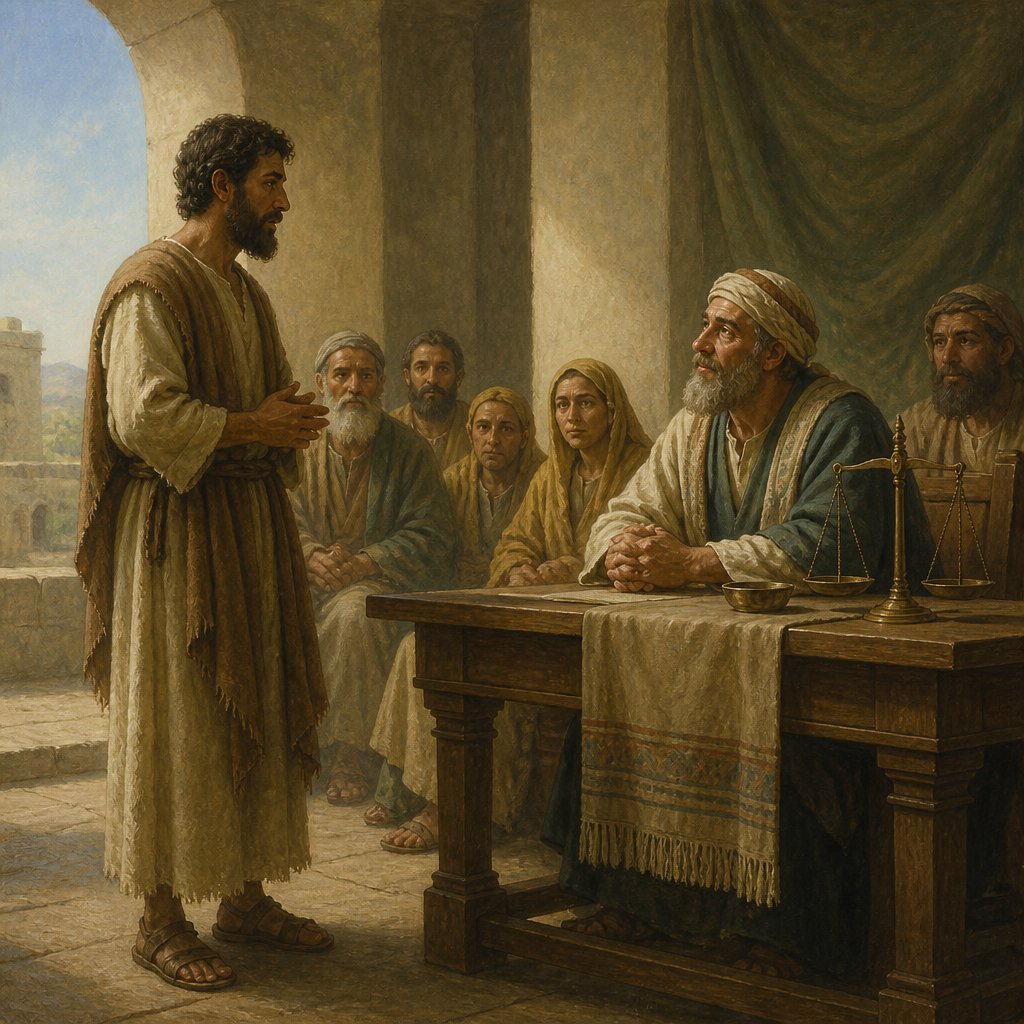
Exodus 23:6 in the King James Version of the Bible reads, "Thou shalt not wrest the judgment of thy poor in his cause."
This verse is part of the laws given to the Israelites by God through Moses. In the immediate context, God is instructing the Israelites on their behavior towards their neighbors, especially the poor and marginalized members of society. The verse prohibits the unjust treatment of the poor in legal matters and calls for fair and equal judgment for all, regardless of their social status.
One of the central themes of this verse is justice. The Bible consistently emphasizes the importance of justice and equitable treatment for all people. In this context, God is specifically concerned with ensuring that the poor and vulnerable members of society are not taken advantage of or subjected to unfair judgment. This commandment reflects God's heart for the oppressed and his desire for his people to act justly and compassionately towards those in need.
The verse also reflects the broader biblical theme of caring for the poor and marginalized. Throughout the Bible, there are numerous exhortations to care for the poor, defend the cause of the oppressed, and show mercy and compassion to those who are in need. This verse underscores the importance of upholding the rights of the poor and ensuring that they are not mistreated or exploited in the legal system.
Furthermore, the verse speaks to the importance of integrity and honesty in the practice of justice. The phrase "thou shalt not wrest the judgment" carries the connotation of perverting or distorting justice for personal gain. God is calling for his people to act with integrity and honesty in their interactions with the poor, resisting the temptation to abuse their power or take advantage of those who are vulnerable.
Symbolically, this verse serves as a reminder of God's character and his concern for justice and righteousness. It portrays God as a defender of the poor and a champion of justice, and it calls his people to reflect these qualities in their own actions. In a broader sense, it points to God's desire for his people to embody his character and values in all areas of their lives, including their interactions with others.
In a broader historical and cultural context, this verse would have been revolutionary in its time. In many ancient societies, the poor and marginalized had little to no legal rights or protections, and they were often subjected to unfair treatment and exploitation. By commanding his people to uphold the rights of the poor in the legal system, God was challenging the prevailing social norms and calling for a more just and equitable society.
Overall, Exodus 23:6 is a powerful reminder of God's heart for justice and his concern for the poor and marginalized. It calls his people to act with integrity and compassion, upholding the rights of the vulnerable and ensuring that justice is administered fairly and equitably for all. This verse is a timeless reminder of God's call to seek justice, love mercy, and walk humbly with him (Micah 6:8), and it continues to challenge and inspire readers to this day.
Get our apps


Artwork for Exodus 23:6

Exodus 23:6 - "Thou shalt not wrest the judgment of thy poor in his cause."
"Thou shalt not wrest the judgment of thy poor in his cause." - Exodus 23:6

Exodus 6:23 - "And Aaron took him Elisheba, daughter of Amminadab, sister of Naashon, to wife; and she bare him Nadab, and Abihu, Eleazar, and Ithamar."

Exodus 23:20

Exodus 23:4

Exodus 23:28

Exodus 15:23

Exodus 23:4
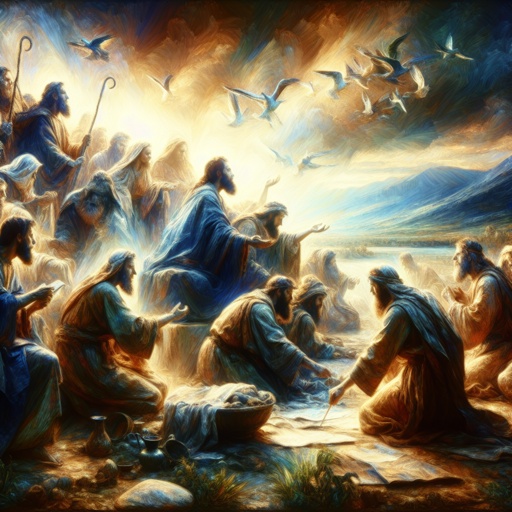
Exodus 15:23

Exodus 23:28

Exodus 23:27-28

Exodus 23:28-29

Matthew 6:23

Exodus 23:32 - "Thou shalt make no covenant with them, nor with their gods."
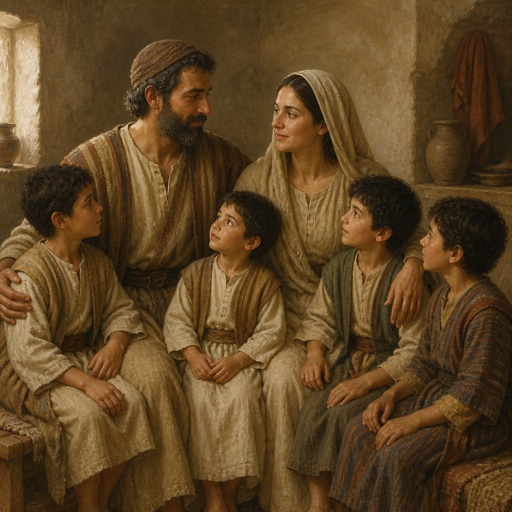
"And Aaron took him Elisheba, daughter of Amminadab, sister of Naashon, to wife; and she bare him Nadab, and Abihu, Eleazar, and Ithamar." - Exodus 6:23

Exodus 23:23 - "For mine Angel shall go before thee, and bring thee in unto the Amorites, and the Hittites, and the Perizzites, and the Canaanites, the Hivites, and the Jebusites: and I will cut them off."

Exodus 17:6

Exodus 17:6

Exodus 17:6

Exodus 17:6

Exodus 21:23 - "And if any mischief follow, then thou shalt give life for life,"

Exodus 23:3 - "¶ Neither shalt thou countenance a poor man in his cause."

Exodus 26:23 - "And two boards shalt thou make for the corners of the tabernacle in the two sides."

Exodus 36:23 - "And he made boards for the tabernacle; twenty boards for the south side southward:"

Romans 6:23

Romans 6:23

Exodus 23:14 - "¶ Three times thou shalt keep a feast unto me in the year."

Genesis 23-6

Exodus 23:8 - "¶ And thou shalt take no gift: for the gift blindeth the wise, and perverteth the words of the righteous."

Exodus 8:23 - "And I will put a division between my people and thy people: to morrow shall this sign be."