The Golden Rings of Divine Purpose
“And thou shalt make for it four rings of gold, and put the rings in the four corners that are on the four feet thereof.” — Exodus 25:26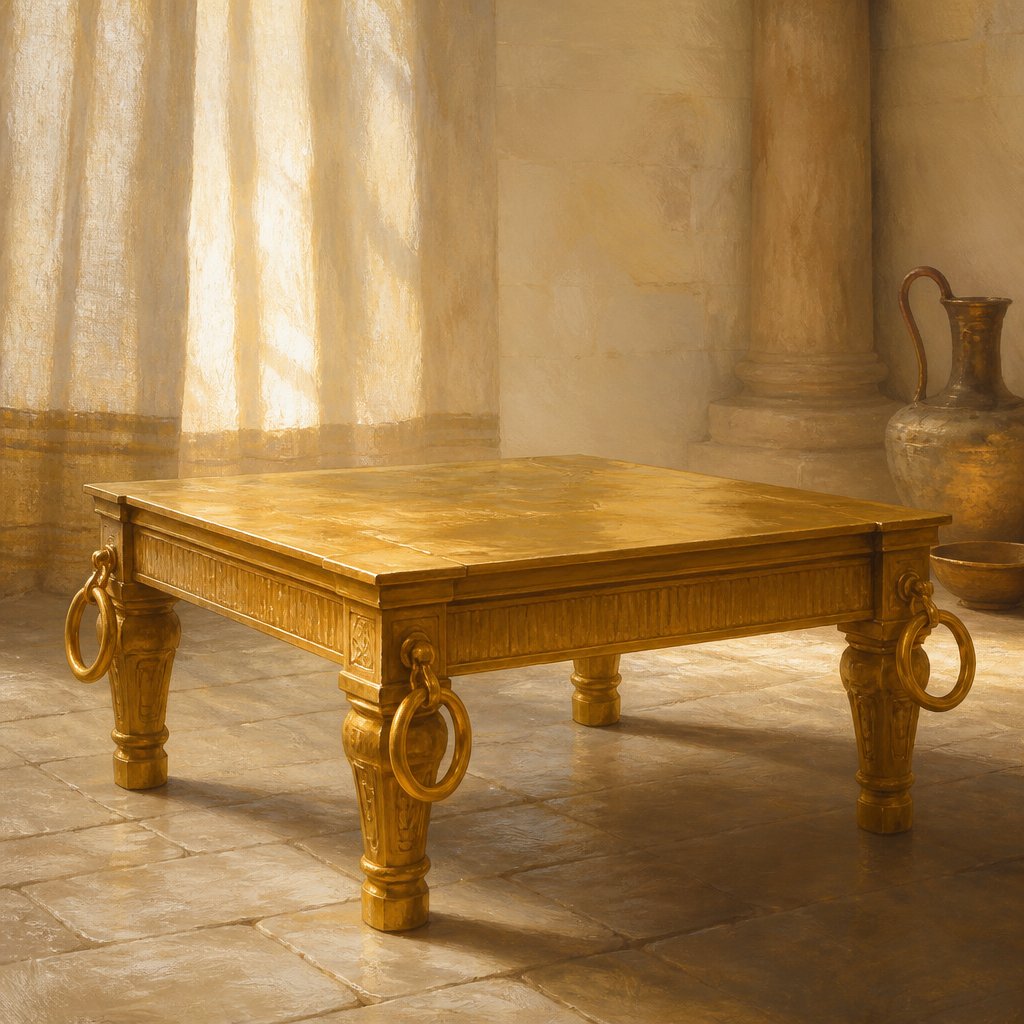
In the sacred narrative of Exodus, we encounter profound instructions from God, who speaks directly to Moses concerning the construction of the Tabernacle—a mobile dwelling place for His presence among the Israelites. The verse Exodus 25:26 reads, “And thou shalt make for it four rings of gold, and put the rings in the four corners that are on the four feet thereof.” At first glance, it seems like a mere instruction regarding material possessions and craftsmanship, but as we delve deeper, we uncover layers of spiritual significance, symbolism, and divine purpose.
The act of creating rings from gold signifies purity and value, elements vital in understanding how God desires to be approached. Gold, as a precious metal, denotes a high standard of worth. When God commands for gold to be used in the creation of the rings, we are reminded that our worship, our efforts, and our lives should be precious and intentional offerings to Him. Just as gold is refined and purified through fire, so too are we called to undergo trials and refinement, emerging as valuable vessels fit for His Kingdom.
Moreover, the instruction to place these rings at the four corners of the Tabernacle offers rich imagery. Corners often symbolize stability and strength. The four corners can represent the four cardinal directions—north, south, east, and west—indicating that God’s presence is meant to be accessible to all parts of the earth. Herein lies a beautiful promise: God's desire is universal; He longs to dwell with His creation—not just in the confines of the Israelite camp but in the hearts of people across all nations. This visual of the rings reminds us that Christ is present in every corner of our lives, guiding, supporting, and enabling us to navigate our earthly journey with His strength.
The four rings also hold a functional role. They were intended to hold the poles by which the Tabernacle would be carried. In essence, these rings are a conduit for movement. The Tabernacle would not remain stationary; it would journey with the people of Israel as they traversed the wilderness. This speaks to the dynamic relationship we have with God. He does not dwell in a fixed place; rather, He accompanies us in our spiritual journeys. The implication is clear: As we move through life’s seasons—be it trials, triumphs, or transitions—God empowers us, ensuring His presence is woven into our daily experiences.
In a world that often feels chaotic and uncertain, the golden rings remind us of God's steadfastness. While circumstances may shift and change, He remains our anchor. When life pulls us in various directions, we can find solace in knowing that His presence provides support and stability. The four rings are a reminder that we are never alone; we are surrounded by His love and grace, guiding us through every twist and turn.
As we reflect on this passage, let us consider how we can emulate the essence of the rings in our own lives. How can we be vessels of God’s presence for others? Are we fostering relationships that encourage hope, love, and stability? Creating rings of support and compassion in our communities enables us to replicate God's desire to be among His people.
Let us also consider the gold of our character. Are we refining ourselves each day, becoming more pure and valuable in our faith? Just as the gold rings were integral to the Tabernacle, our character and actions should express the hope of Christ in our everyday lives.
In conclusion, as we meditate upon Exodus 25:26, let us carry the weight of its implications. May we desire to be finely crafted instruments of God’s work, ensuring that like the golden rings, we uphold His presence in all directions and all circumstances, embracing the beautiful journey He calls us to walk.
Get our apps


Artwork for Exodus 25:26

Exodus 25:26 - "And thou shalt make for it four rings of gold, and put the rings in the four corners that are on the four feet thereof."
"And thou shalt make for it four rings of gold, and put the rings in the four corners that are on the four feet thereof." - Exodus 25:26

Exodus 16:25-26 (25) And Moses said, Eat that to day; for to day is a sabbath unto the LORD: to day ye shall not find it in the field. (26) Six days ye shall gather it; but on the seventh day, which is the sabbath, in it there shall be none.

Exodus 26:25 - "And they shall be eight boards, and their sockets of silver, sixteen sockets; two sockets under one board, and two sockets under another board."

Matthew 26:25

Genesis 26:25

Genesis 25-26

exodus 26:1

Exodus 25:16

Exodus 25:31

Exodus 26:30

Exodus 26:31

Exodus 26:31

Exodus 26:31

exodus 26:1

Exodus 25:8

Exodus 25:16

Exodus 25:16

Exodus 26:26 - "¶ And thou shalt make bars of shittim wood; five for the boards of the one side of the tabernacle,"

Psalm 73:25-26

Luke 12:25-26
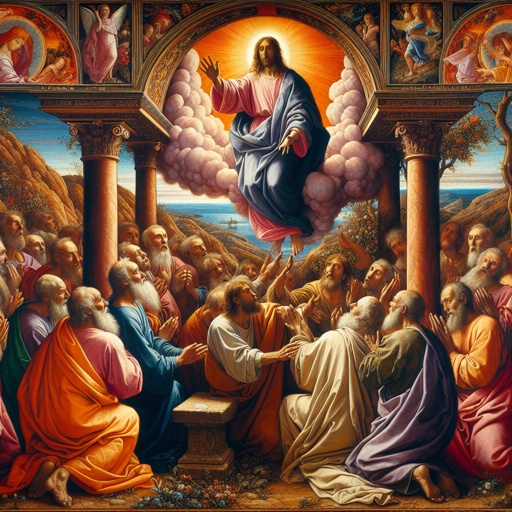
Luke 12:25-26

Luke 12:25-26

Luke 12:25-26

Luke 12:25-26

Psalm 73:25-26

Luke 12:25-26

Luke 12:25-26
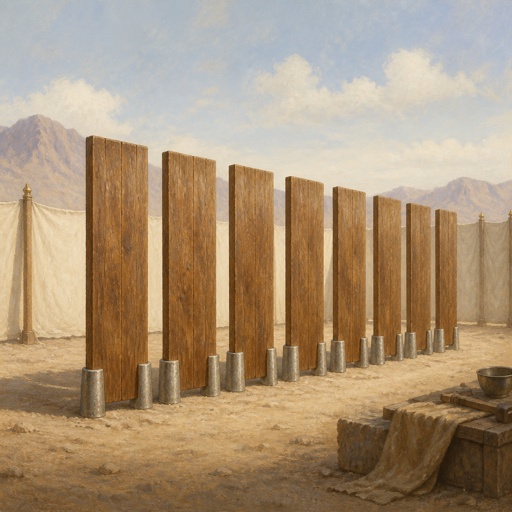
"And they shall be eight boards, and their sockets of silver, sixteen sockets; two sockets under one board, and two sockets under another board." - Exodus 26:25

Exodus 25:10-22