Sacred Instruments for Divine Purposes
“And thou shalt make his pans to receive his ashes, and his shovels, and his basons, and his fleshhooks, and his firepans: all the vessels thereof thou shalt make of brass.” — Exodus 27:3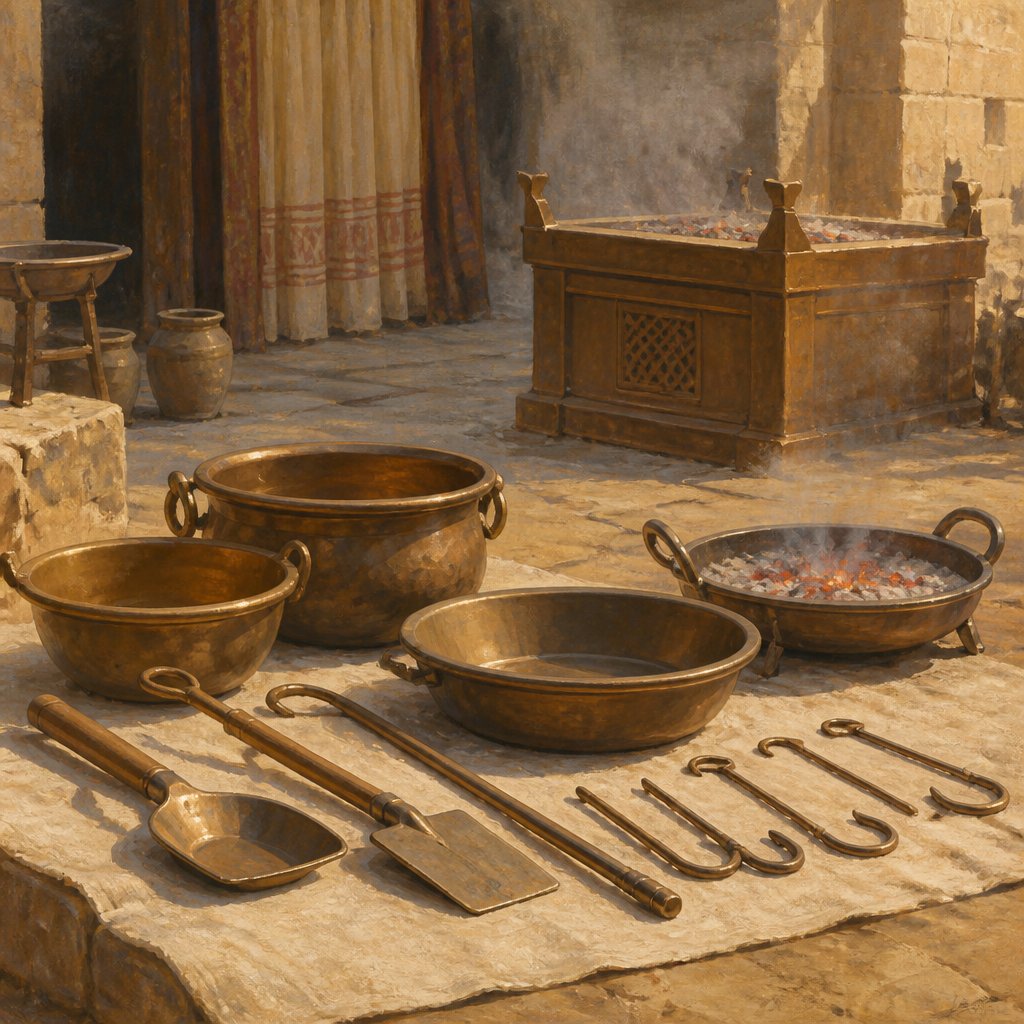
As we delve into the specifics of Exodus 27:3, we are met with the meticulous instructions given to Moses regarding the construction of the altar for burnt offerings and the various instruments that were to be made for its use. The verse reads: "And thou shalt make his pans to receive his ashes, and his shovels, and his basons, and his fleshhooks, and his firepans: all the vessels thereof thou shalt make of brass." These detailed instructions may seem ordinary upon first reading, but beneath the surface lies a profound truth about the significance of preparation, purity, and purpose in our worship and service to God.
First, we notice the focus on the pans that receive ashes. In the ancient context of temple service, ashes were a visible reminder of the sacrifices made. They represented the lives surrendered to God and the purity that follows surrender. Today, this calls us to reflect on our own spiritual lives. What ashes remain in our lives? What sacrifices have we made that require us to acknowledge and receive them, rather than just letting them linger? The ashes serve not only as a symbol of sacrifice but also as a canvas for transformation. God desires us to bring our ashes to Him and exchange them for beauty. He invites us to present our brokenness, our failures, and our regrets, knowing that He can draw forth redemption from the most desolate places of our heart.
Next, the recommendation of shovels and fleshhooks points to the active engagement required in worship. Worship is often mistaken for a passive activity; however, the tools mentioned indicate the necessity for involvement. Just as a shovel is used to move ashes or coals, we are called to dig deep into our faith and unearth what God desires us to discover. The fleshhooks remind us of the tangible aspect of sacrifice—there is a physicality to our worship that cannot be overlooked. God is looking for worshipers who engage their hearts, minds, and bodies—those who are willing to get their hands dirty in the pursuit of His holiness.
The mention of basons and firepans underscores the preparation that comes before God truly inhabits our worship. Each vessel was crafted from brass, a metal that symbolizes durability and incorruption. This serves as a reminder of the importance of preparing our hearts and lives as vessels of honor. We are called to be refined and prepared like these instruments, used for divine purposes. In Romans 12:1, we are urged to present our bodies as living sacrifices, holy and acceptable unto God. This call to sacredness demands that we intentionally cultivate lives that reflect the glory of our Creator.
Brass was not only strong and impervious to the elements, but it also stood out, shining brightly even in the midst of shadows. As followers of Christ, we are called to shine forth like brass among the dullness of our surroundings. The world seeks authenticity and integrity, and as we commit ourselves to be vessels made of "brass," we declare our allegiance to bring forth light in darkness.
Finally, let us not overlook the collective nature of these instruments. Each vessel—the pans, shovels, basons, fleshhooks, and firepans—has its own unique function, yet they work in harmony for one common goal: to facilitate worship and honor God. Individually, we are called to different purposes in the body of Christ (1 Corinthians 12:12-27). Embracing our uniqueness, we must remember that together, we create a beautiful symphony of worship that ascends to the throne of grace.
In conclusion, Exodus 27:3 invites us to engage deeply with our faith as we juxtapose the Old Testament's sacrificial system with our own roles in the present day. God calls us to bring our ashes, prepare our instruments, and engage actively in worship and service. As we heed this sacred invitation, may we transform our ordinary lives into vessels of divine purpose, reflecting God’s glory in all that we do.
Get our apps


Artwork for Exodus 27:3

exodus 27:3 forks

Exodus 27:3 - "And thou shalt make his pans to receive his ashes, and his shovels, and his basons, and his fleshhooks, and his firepans: all the vessels thereof thou shalt make of brass."
"And thou shalt make his pans to receive his ashes, and his shovels, and his basons, and his fleshhooks, and his firepans: all the vessels thereof thou shalt make of brass." - Exodus 27:3

Exodus 27:20

Exodus 27:20

Exodus 27:20

Exodus 27:19-20

Exodus 27:1-8

Exodus 23:27-28

Exodus 27:19-21

Exodus 27:20 the lamp is made of brass

Exodus 36:27 - "And for the sides of the tabernacle westward he made six boards."

Exodus 35:27 - "And the rulers brought onyx stones, and stones to be set, for the ephod, and for the breastplate;"

Exodus 27:13 - "And the breadth of the court on the east side eastward shall be fifty cubits."

Exodus 40:27 - "And he burnt sweet incense thereon; as the LORD commanded Moses."

Exodus 25:27 - "Over against the border shall the rings be for places of the staves to bear the table."

Exodus 30:27 - "And the table and all his vessels, and the candlestick and his vessels, and the altar of incense,"

Exodus 10:27 - "¶ But the LORD hardened Pharaoh's heart, and he would not let them go."

Exodus 39:27 - "¶ And they made coats of fine linen of woven work for Aaron, and for his sons,"

Exodus 27:15 - "And on the other side shall be hangings fifteen cubits: their pillars three, and their sockets three."

Exodus 27:7 - "And the staves shall be put into the rings, and the staves shall be upon the two sides of the altar, to bear it."

Exodus 16:27 - "¶ And it came to pass, that there went out some of the people on the seventh day for to gather, and they found none."

Exodus 27:14 - "The hangings of one side of the gate shall be fifteen cubits: their pillars three, and their sockets three."
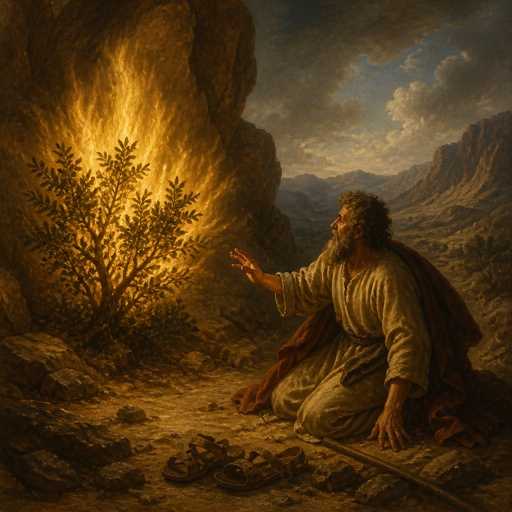
exodus 3

exodus 3

Exodus 27:8 - "Hollow with boards shalt thou make it: as it was shewed thee in the mount, so shall they make it."
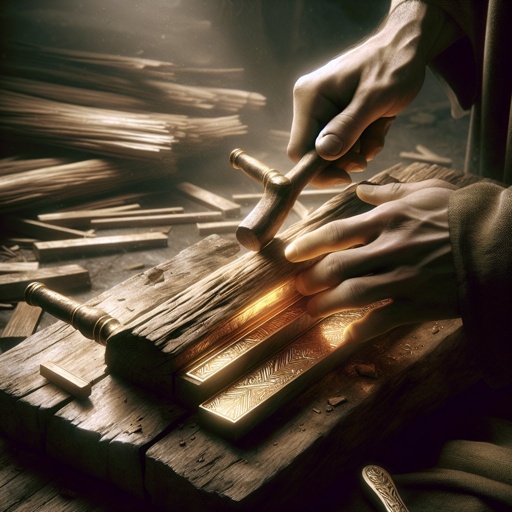
Exodus 27:6 - "And thou shalt make staves for the altar, staves of shittim wood, and overlay them with brass."
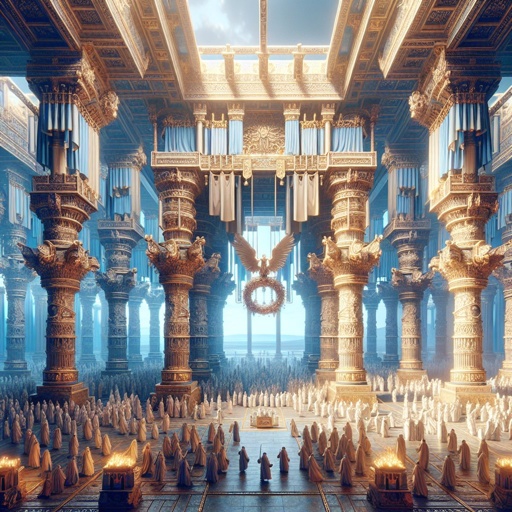
Exodus 27:12 - "¶ And for the breadth of the court on the west side shall be hangings of fifty cubits: their pillars ten, and their sockets ten."

Exodus 27:10 - "And the twenty pillars thereof and their twenty sockets shall be of brass; the hooks of the pillars and their fillets shall be of silver."

Exodus 27:5 - "And thou shalt put it under the compass of the altar beneath, that the net may be even to the midst of the altar."