The Weight of Leadership: A Lesson from Moses' Fear
“And he said, Who made thee a prince and a judge over us? intendest thou to kill me, as thou killedst the Egyptian? And Moses feared, and said, Surely this thing is known.” — Exodus 2:14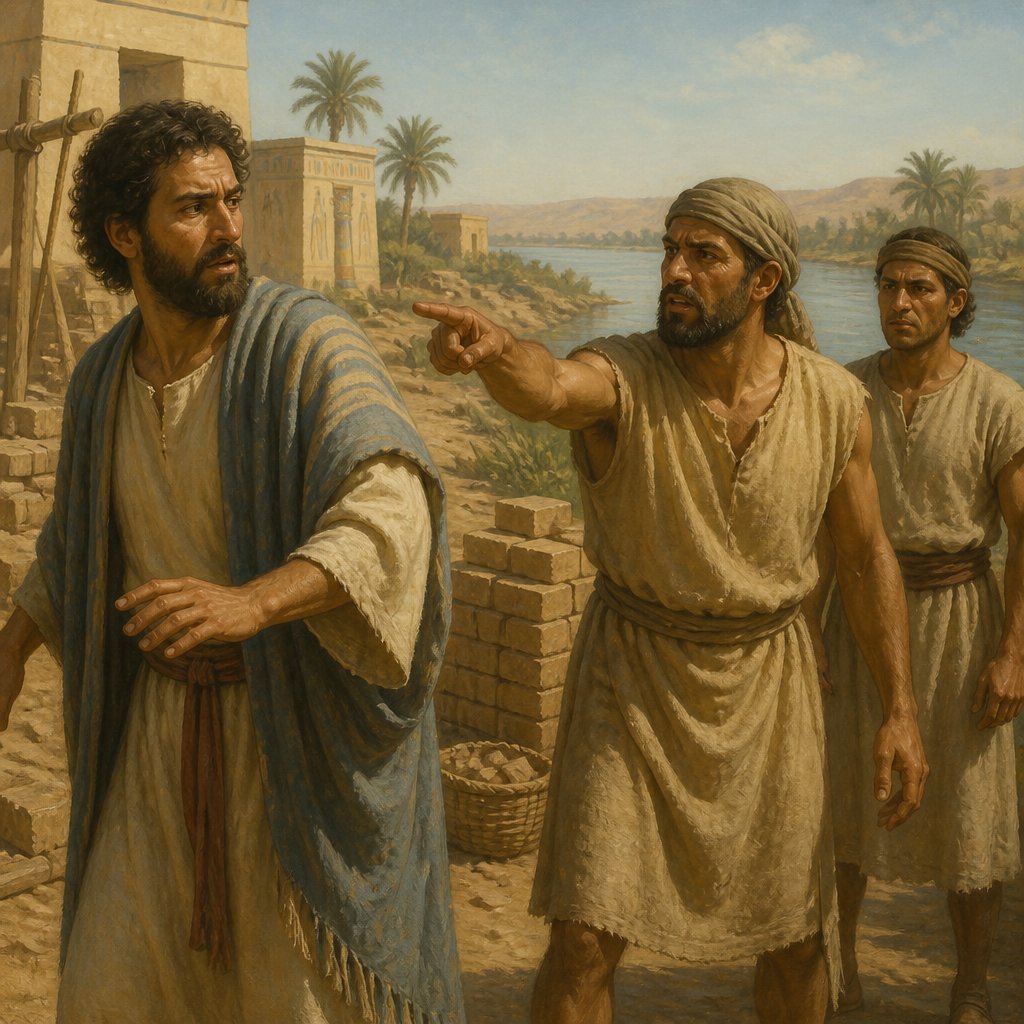
In Exodus 2:14, we come upon a pivotal moment for Moses, one filled with fear, recognition, and unfulfilled purpose. The verse states, "And he said, Who made thee a prince and a judge over us? intendest thou to kill me, as thou killedst the Egyptian? And Moses feared, and said, Surely this thing is known." This encounter serves as a profound reminder that the path to leadership is often laced with burdens, conflicts, and the weight of responsibility.
Moses, innocently stepping into his role as a defender of his people, finds himself confronted with unexpected backlash. In his quest to do what he perceived was right—to eliminate the suffering of his fellow Hebrews—Moses is met with contempt and fear from one of the very people he sought to protect. His act of violence, motivated by a desire for justice, circles back upon him, revealing the complexity of human interactions and the often volatile nature of leadership.
The phrase, "Who made thee a prince and a judge over us?" resonates deeply with us, as it reflects a challenge to Moses’ authority and intentions. This rebellion against his role sets the stage for Moses' inner turmoil. We must ask ourselves how often we, too, step into roles we feel unprepared for or criticized in positions where our intentions are misunderstood. In these moments, we may question our purpose, our calling, and even the very nature of our identity.
Moses’ slip from esteemed prince to fearful fugitive reinforces a pivotal truth in our lives: that oftentimes the roles we assume come with expectations that are beyond our capabilities. Moses feared not only as a reaction to the immediate confrontation but also because he understood the weight of his actions. Having killed an Egyptian, he now stood on the precipice of judgment—not from the external force of the law, but from his conscience and the disillusionment of his people. His fear stemmed from the reality that what he believed was a secret was now known, reminding us of our human vulnerability.
Fear often paralyzes us, causing us to recoil in search of safety. It is a natural response, yet scripture calls us to acknowledge and confront our fears rather than allow them to deter us from our God-given purpose. Moses' flight into obscurity reveals how we may attempt to escape our responsibilities or shrink back in fear when confronted with the consequences of our choices. Just as Moses came face to face with his fears and failures, we too are invited to bring our fears before God, for He wants to transform them into stepping stones for growth and service.
Moreover, we should consider God's providential hand in this narrative. While we do not see direct intervention at this moment, God is working behind the scenes, preparing Moses for his great calling as a leader and liberator of the Israelites. Moses' journey will be fraught with obstacles, but it is in these very challenges that God shapes his character and faith. This verse teaches us that even our missteps can be used by God to fulfill His divine purposes.
As we reflect on Exodus 2:14, let us claim the courage to face our fears and embrace the identities God has bestowed upon us. Each trial prepares us for the greater works He has planned. We must learn to lean on God, who is our steady guide through fears of inadequacy, misunderstanding, and judgment. May we grow to trust that our leadership, influenced by God’s will, has the power to effect change, uniting and defending those who are vulnerable around us. Let your heart echo Moses' eventual journey, trusting in God’s ability to use us—even in our fearful moments—for His glory and the good of others.
Get our apps


Artwork for Exodus 2:14

Exodus 2:14 - "And he said, Who made thee a prince and a judge over us? intendest thou to kill me, as thou killedst the Egyptian? And Moses feared, and said, Surely this thing is known."
"And he said, Who made thee a prince and a judge over us? intendest thou to kill me, as thou killedst the Egyptian? And Moses feared, and said, Surely this thing is known." - Exodus 2:14

Exodus 14

Exodus 14:2 - "Speak unto the children of Israel, that they turn and encamp before Pi-hahiroth, between Migdol and the sea, over against Baal-zephon: before it shall ye encamp by the sea."

Exodus 14: 21

Exodus 14:13

Exodus 14:13

Exodus 14:13

Exodus 14:13

Exodus 14:13

Exodus 14:13

Exodus 14:13
Exodus 14:13

Exodus 14:13
Exodus 14:13

Exodus 14:13
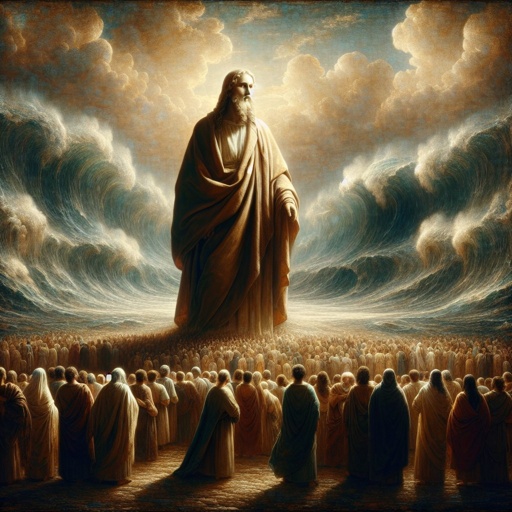
Exodus 14:13
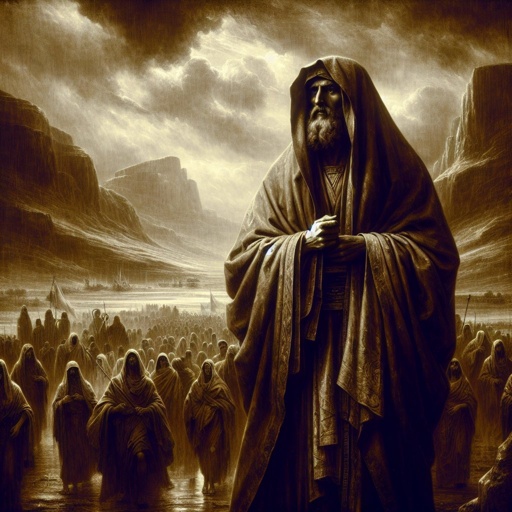
Exodus 14:13
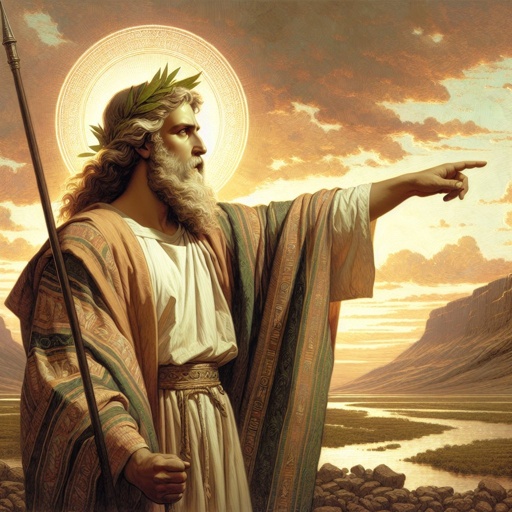
Exodus 14:13

Exodus 3:14

exodus 3:14

Exodus 3:14

Exodus 14:13

Exodus 14:13

Exodus 3:14

Exodus 14:13

Exodus 14:13

Exodus 14:13

Exodus 20:14

Exodus 14: 21