What does Exodus 2:14 mean?
“And he said, Who made thee a prince and a judge over us? intendest thou to kill me, as thou killedst the Egyptian? And Moses feared, and said, Surely this thing is known.” — Exodus 2:14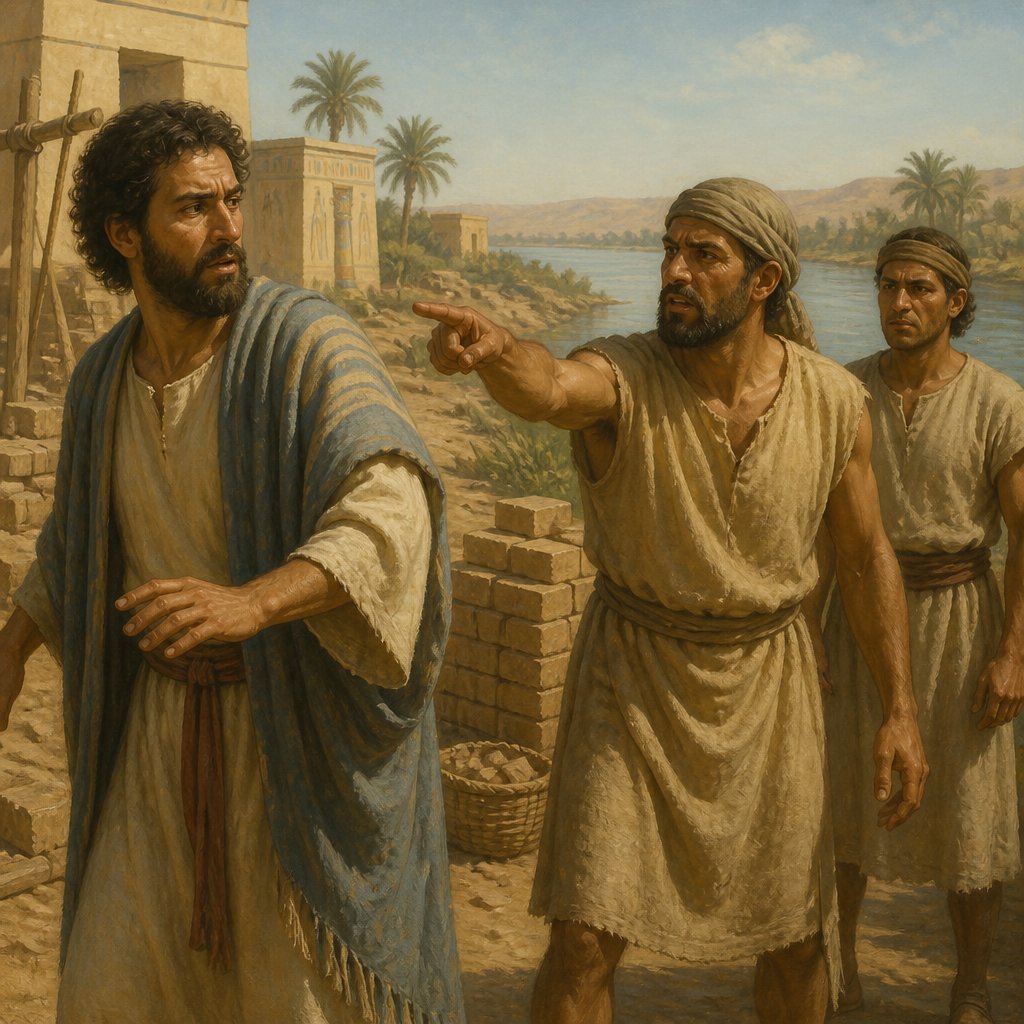
Exodus 2:14 from the King James Version of the Bible reads, "And he said, Who made thee a prince and a judge over us? Intendest thou to kill me, as thou killedst the Egyptian? And Moses feared, and said, Surely this thing is known."
This verse is taken from the story of Moses, the Israelite who was chosen by God to lead his people out of slavery in Egypt. In this particular verse, we see Moses encountering a conflict between two Hebrew men. As he tries to intervene and break up the fight, one of the men questions Moses' authority and reminds him of his past actions. The verse also highlights Moses' fear of being found out for the murder he committed.
In order to fully understand the significance of this verse, it is important to have some context. The book of Exodus is the second book in the Bible and is a continuation of the story of the Israelites, who had become slaves in Egypt. Moses, who was originally raised as an Egyptian prince, flees to the desert and encounters God in the form of a burning bush. God commissions him to return to Egypt and demand the release of the Israelites from slavery. This verse comes after Moses has already killed an Egyptian taskmaster who was abusing one of his Hebrew kinsmen. It is also a part of a larger narrative that establishes Moses as the leader of the Israelites and as someone chosen by God to carry out His will.
One of the main themes of this verse is the concept of leadership and authority. When the man asks Moses, "Who made thee a prince and a judge over us?" he is questioning Moses' right to intervene in the situation. This theme of questioning authority is central to the story of Moses, as he must constantly prove himself to the Israelites and to Pharaoh as a leader chosen by God. Additionally, this verse also highlights the dangers and challenges of leadership. When the man accuses Moses of intending to kill, it causes Moses to fear for his own safety and the potential consequences of his past actions being discovered. This fear is a natural part of leadership, as those in positions of authority often face criticism and opposition.
Another important theme in this verse is the idea of sin and its consequences. When the man brings up the fact that Moses had killed an Egyptian, it serves as a reminder of Moses' past sin. This theme of sin and redemption is a crucial aspect of the biblical narrative, as it demonstrates the need for forgiveness and the possibility of change. Despite his past actions, Moses is ultimately chosen by God to lead the Israelites out of Egypt, demonstrating God's ability to use flawed individuals to carry out His will.
In addition to these themes, there are also several symbols present in this verse. The conflict between the two Hebrew men can be seen as a symbol of the larger struggle for freedom and justice that the Israelites face. Moses' fear of being discovered for his past actions serves as a symbol of the personal and emotional toll that leadership can take. The mention of the Egyptian whom Moses had killed is a symbol of the Israelites' oppression and the injustices they have faced.
In conclusion, Exodus 2:14 is a significant verse in the larger narrative of Moses and the Israelites. It addresses important themes such as leadership, authority, sin, and redemption, and contains powerful symbols that add depth to the biblical story. As Moses continues on his journey to lead the Israelites to freedom, this verse serves as a reminder of the challenges and trials he must overcome.
Get our apps


Artwork for Exodus 2:14

Exodus 2:14 - "And he said, Who made thee a prince and a judge over us? intendest thou to kill me, as thou killedst the Egyptian? And Moses feared, and said, Surely this thing is known."
"And he said, Who made thee a prince and a judge over us? intendest thou to kill me, as thou killedst the Egyptian? And Moses feared, and said, Surely this thing is known." - Exodus 2:14

Exodus 14

Exodus 14:2 - "Speak unto the children of Israel, that they turn and encamp before Pi-hahiroth, between Migdol and the sea, over against Baal-zephon: before it shall ye encamp by the sea."

Exodus 14: 21

Exodus 14:13

Exodus 14:13

Exodus 14:13

Exodus 14:13

Exodus 14:13

Exodus 14:13

Exodus 14:13
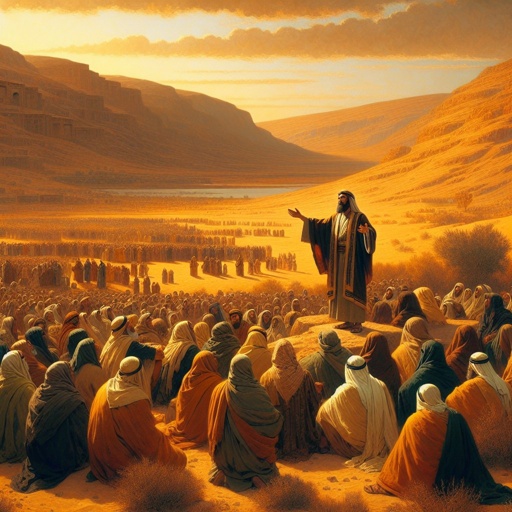
Exodus 14:13

Exodus 14:13
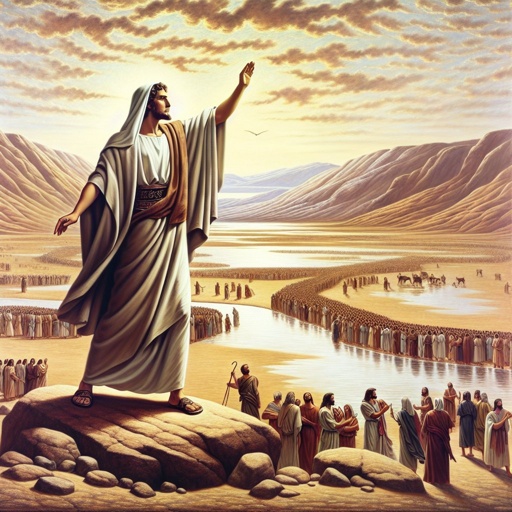
Exodus 14:13

Exodus 14:13
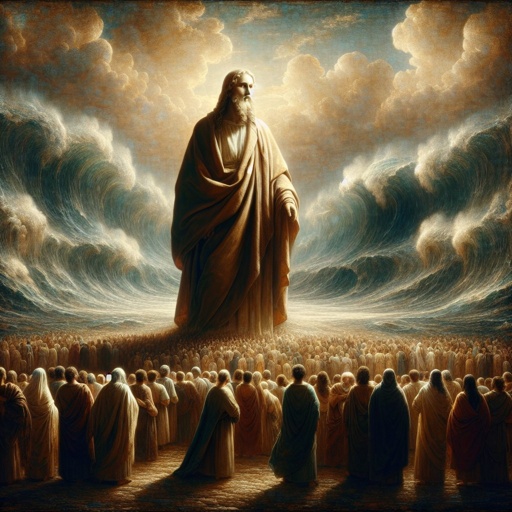
Exodus 14:13
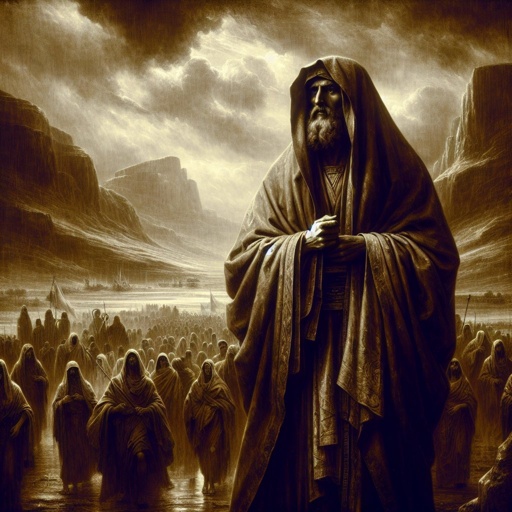
Exodus 14:13
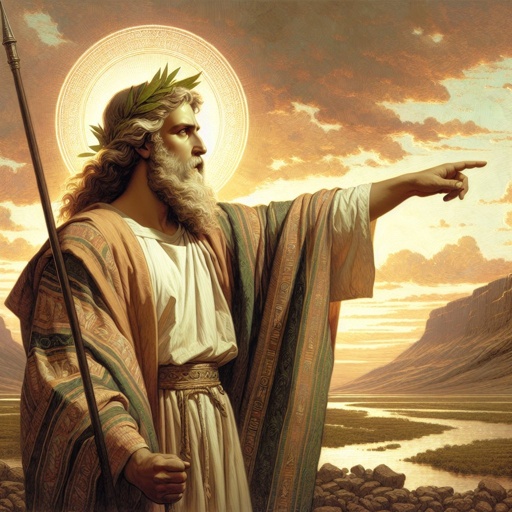
Exodus 14:13

Exodus 3:14

exodus 3:14

Exodus 3:14

Exodus 14:13

Exodus 14:13

Exodus 3:14

Exodus 14:13

Exodus 14:13

Exodus 14:13

Exodus 20:14

Exodus 14: 21