Divine Dialogue: The Power of God’s Communication
“And the LORD spake unto Moses, saying,” — Exodus 30:11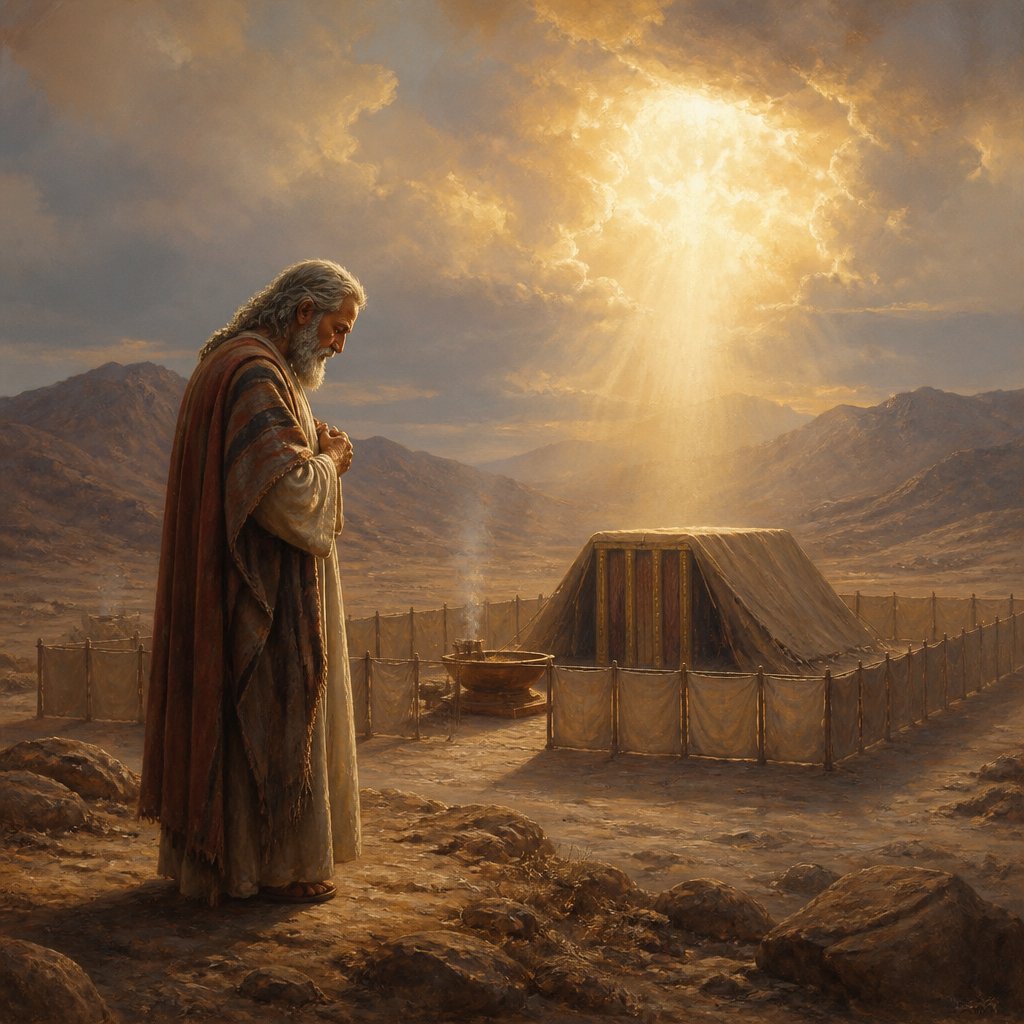
Exodus 30:11 states, "And the LORD spake unto Moses, saying," a profound declaration that marks the beginning of a significant exchange between God and His chosen leader. This simple sentence encapsulates an essential aspect of the relationship between God and humanity: His willingness to communicate and engage with His creation. Each word is pregnant with meaning, underscoring a reality that God is not distant or detached; He actively seeks dialogue with us.
Throughout the book of Exodus, we observe that God is a God who speaks. He communicates His will, desires, and instructions explicitly and powerfully. When God spake unto Moses, it was not a mere whisper or fleeting thought. It was an active, intentional effort on behalf of God to impart wisdom, guidance, and the framework for living in accordance with divine principles. God’s communication is an invitation to enter into a relationship where we can hear Him and understand His plans for not only individuals like Moses but also for entire communities.
In the broader context of Exodus, Moses is depicted as a mediator, someone who stands between God and the people of Israel. His role exemplifies the deep relationship personable celebration that God desires with His people. As the Israelites were preparing to navigate their journey towards the Promised Land, they needed continuous direction and reassurances. God’s teaching was vital for their survival and prosperity as a nation and His interaction with Moses directly affected their understanding of God’s statutes, essentially molding their identity.
Consider the implications this has for our daily lives. God still speaks today—though not always in an audible voice. We may hear Him through prayer, Scripture, the words of others, or the still small voice within us (1 Kings 19:12). Each of these avenues is critical for developing a profound relationship with Him. However, just as Moses had to be attentive and obedient to God's voice, so too must we cultivate an environment where we can hear God clearly.
Herein lies a significant hurdle for many of us: distraction. In a world characterized by noise and chaos, setting aside time and space to listen for God can be challenging. Just as Moses often went to the mountain to meet with God, we too must seek our ‘mountain’ experiences—spaces where we can commune with God without interruption. It means prioritizing quiet time, reflecting on scripture, and honing an attitude of prayer. When we make intentional choices to invite God into our lives, we awaken our spirits to recognize His communication.
Moreover, when God spoke to Moses, it was with purpose. Everything that follows in chapter 30 and beyond is God’s plan unfolding, imparted through this sacred dialogue. Aligning our hearts and minds to hear God is just as crucial as the act of hearing; it involves embracing His visions and purposes with our responses and actions. God expects us to act on what He has revealed. Revelation without response is ineffective; true understanding calls for us to engage with His word actively.
In conclusion, Exodus 30:11 is a powerful reminder of God’s desire to connect with us and share His heart. We are invited into a relationship marked by communication that can mold our character and inform our decisions. When we hear Him say, "I am speaking to you," let us respond in faith and action, trusting that His words are the keys guiding us through the wilderness of life into the abundance of His promises.
Get our apps


Artwork for Exodus 30:11

Exodus 30:11 - "¶ And the LORD spake unto Moses, saying,"
"¶ And the LORD spake unto Moses, saying," - Exodus 30:11

The Plague on the Firstborn - Exodus 11, 12:1-30

The Plague on the Firstborn - Exodus 11, 12:1-30

Psalm 30:11

Exodus 26:30

Exodus 28:30-43

Exodus 28:15-30

Exodus 30:30 - "And thou shalt anoint Aaron and his sons, and consecrate them, that they may minister unto me in the priest's office."

Exodus 16:30 - "So the people rested on the seventh day."

Exodus 30:17 - "¶ And the LORD spake unto Moses, saying,"

Exodus 30:22 - "¶ Moreover the LORD spake unto Moses, saying,"

Exodus 8:30 - "And Moses went out from Pharaoh, and intreated the LORD."

Exodus 30:26 - "And thou shalt anoint the tabernacle of the congregation therewith, and the ark of the testimony,"

Exodus 30:19 - "For Aaron and his sons shall wash their hands and their feet thereat:"

Exodus 30:27 - "And the table and all his vessels, and the candlestick and his vessels, and the altar of incense,"

Exodus 30:5 - "And thou shalt make the staves of shittim wood, and overlay them with gold."

Exodus 25:30 - "And thou shalt set upon the table shewbread before me alway."

Exodus 30:28 - "And the altar of burnt offering with all his vessels, and the laver and his foot."

Genesis 30:10-11

Exodus 30:24 - "And of cassia five hundred shekels, after the shekel of the sanctuary, and of oil olive an hin:"

Exodus 9:30 - "But as for thee and thy servants, I know that ye will not yet fear the LORD God."

Exodus 40:30 - "¶ And he set the laver between the tent of the congregation and the altar, and put water there, to wash withal."

Genesis 11:30 - "But Sarai was barren; she had no child."

Leviticus 11:30 - "And the ferret, and the chameleon, and the lizard, and the snail, and the mole."
"So the people rested on the seventh day." - Exodus 16:30

Exodus 26:30 - "And thou shalt rear up the tabernacle according to the fashion thereof which was shewed thee in the mount."

1 Kings 11:30-31

1 Kings 11:30-31

1 Kings 11:30-31