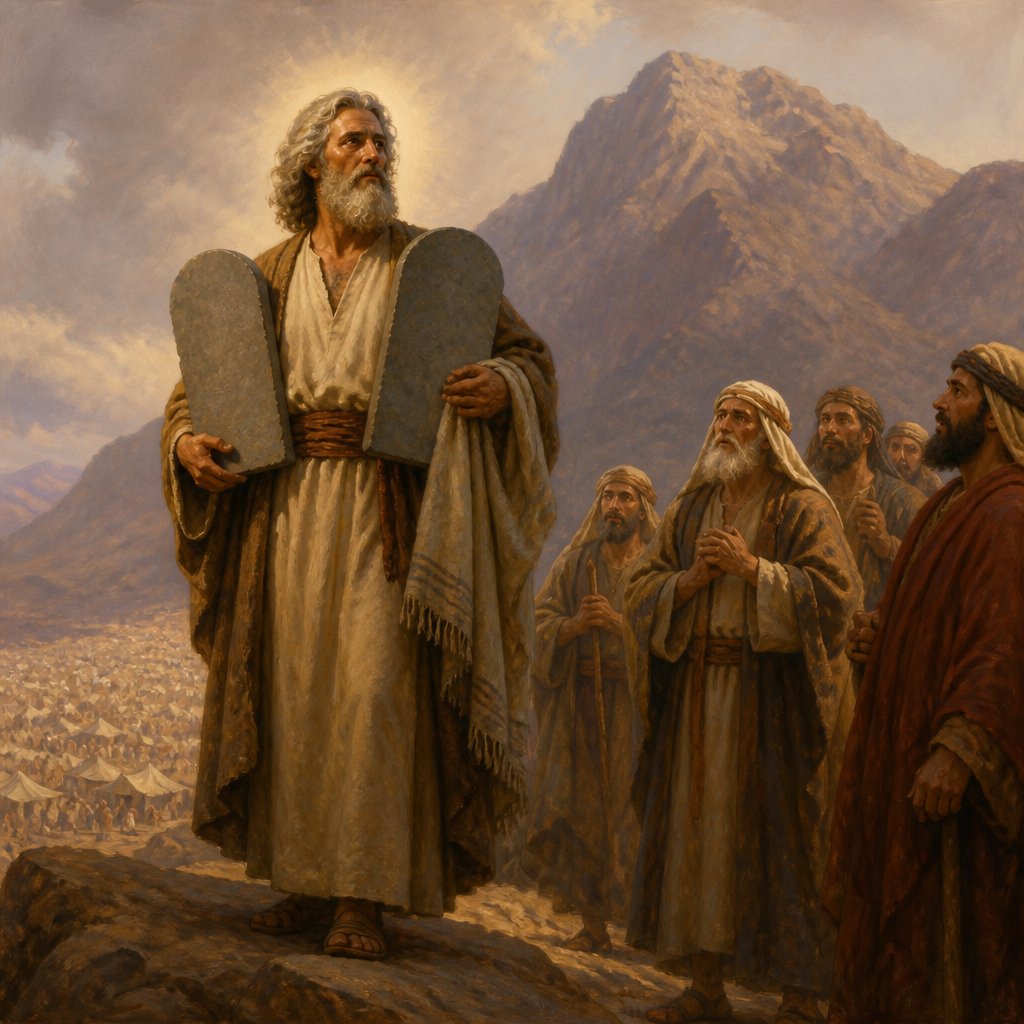
In Exodus 34:29-35 (KJV), we read a profound account that details not only a moment in history but also a significant spiritual truth about communion with God and its transformative power. "When Moses came down from Mount Sinai with the two tables of testimony in Moses' hand, when he came down from the mount, that Moses wist not that the skin of his face shone while he talked with him." This reveals a powerful reality: Moses was so enveloped in the presence of the Lord that he was transformed physically, reflecting God's glorious nature.
As the text describes, Moses was unaware that his face shone—a physical manifestation of his encounter with God. This unexpected radiance caught the attention of Aaron and the Israelites, who were initially afraid to approach him. Why were they afraid? Perhaps they understood something significant had changed in Moses; he bore evidence of divine encounter, bringing an aura of holiness that was intimidating. In the same way, when we truly encounter God, our lives encounter transformation that others might notice as well.
Moses' interaction with the people illustrates an essential aspect of our relationship with God: the need to speak of Him to those around us. After the awe of God seemed to scare the people away, Moses called to them. "And Moses called unto them; and Aaron and all the rulers of the congregation returned unto him: and Moses talked with them." Here, we see the role of a mediator. Moses had experienced the words and commandments of God, and it was his responsibility to relay that revelation. Similarly, we are called to share the gospel—the good news of Christ’s love—with our community. Our encounters with God ought to bear fruit that encourages and uplifts others.
It’s also significant to note that after giving them God’s commandments, Moses veiled his face. The Scripture reads, "And till Moses had done speaking with them, he put a vail on his face." This act serves multiple meanings. First, it signifies the temporary nature of His reflected glory; the veil concealed the diminishing brilliance of God’s glory as days passed. This mirrors our human experience: while our encounters with God can profoundly change us, the effects can diminish with time if we do not maintain our communion with Him. Paul refers to this in 2 Corinthians 3:13-16, discussing the veil, wherein he claims that it can still cover the hearts of people who do not turn to the Lord.
Second, the veil represents the separation that existed before Christ. Under the Old Covenant, people experienced God’s presence in limited ways. When Moses entered into God’s presence, the veil was removed, but it was a reminder of the separation that was necessary due to sin. However, Christ, through His sacrificial love, became our ultimate mediator and has removed the veil completely, allowing us direct access to God’s glorious presence.
As believers today, we are invited to approach God with unveiled faces, transformed by His glory as we gaze upon Him. The Apostle Paul states in 2 Corinthians 3:18, "But we all, with open face beholding as in a glass the glory of the Lord, are changed into the same image from glory to glory, even as by the Spirit of the Lord." This transformation happens through the Holy Spirit as we dwell in God’s presence and partake in His Word.
The conclusion of Exodus 34 reminds us about the importance of continual fellowship with God. "And when Moses went in before the Lord to speak with him, he took the vail off, until he came out." God's presence should be our ultimate destination where we can be renewed and restored. Not only do the moments we spend alone with God impact us, they enable us to impact others effectively, as we share God’s heart and commands in our lives. Let us remember to remove our veils when we come before the Lord, allowing His glory to shine through us, boldly reflecting His love to a world that desperately needs to see it.
Get our apps


Artwork for Exodus 34:29-35

Exodus 34:29-35 - "When Moses came down from Mount Sinai with the two tablets of the covenant law in his hands, he was not aware that his face was radiant because he had spoken with the Lord. When Aaron and all the Israelites saw Moses, his face was radiant, and they were afraid to come near him. But Moses called to them; so Aaron and all the leaders of the community came back to him, and he spoke to them. Afterward all the Israelites came near him, and he gave them all the commands the Lord had given him on Mount Sinai. When Moses finished speaking to them, he put a veil over his face. But whenever he entered the Lord’s presence to speak with him, he removed the veil until he came out. And when he came out and told the Israelites what he had been commanded, they saw that his face was radiant. Then Moses would put the veil back over his face until he went in to speak with the Lord."
"When Moses came down from Mount Sinai with the two tablets of the covenant law in his hands, he was not aware that his face was radiant because he had spoken with the Lord. When Aaron and all the Israelites saw Moses, his face was radiant, and they were afraid to come near him. But Moses called to them; so Aaron and all the leaders of the community came back to him, and he spoke to them. Afterward all the Israelites came near him, and he gave them all the commands the Lord had given him on Mount Sinai. When Moses finished speaking to them, he put a veil over his face. But whenever he entered the Lord’s presence to speak with him, he removed the veil until he came out. And when he came out and told the Israelites what he had been commanded, they saw that his face was radiant. Then Moses would put the veil back over his face until he went in to speak with the Lord." - Exodus 34:29-35
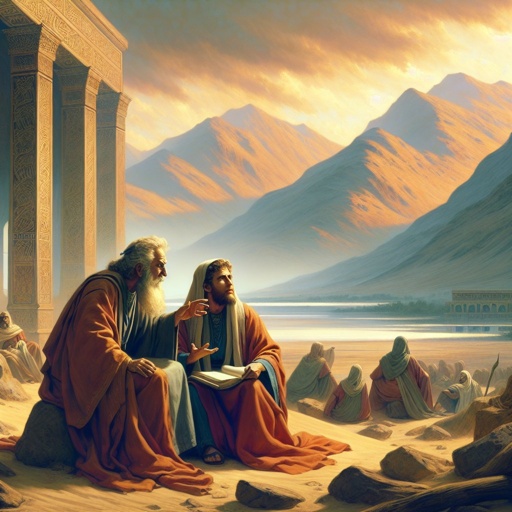
Exodus 35:34 - "And he hath put in his heart that he may teach, both he, and Aholiab, the son of Ahisamach, of the tribe of Dan."

Exodus 34:35 - "And the children of Israel saw the face of Moses, that the skin of Moses' face shone: and Moses put the vail upon his face again, until he went in to speak with him."

"And it came to pass, when Moses came down from mount Sinai with the two tables of testimony in Moses’ hand, when he came down from the mount, that Moses wist not that the skin of his face shone while he talked with him." - Exodus 34:29

Exodus 29:35 - "And thus shalt thou do unto Aaron, and to his sons, according to all things which I have commanded thee: seven days shalt thou consecrate them."
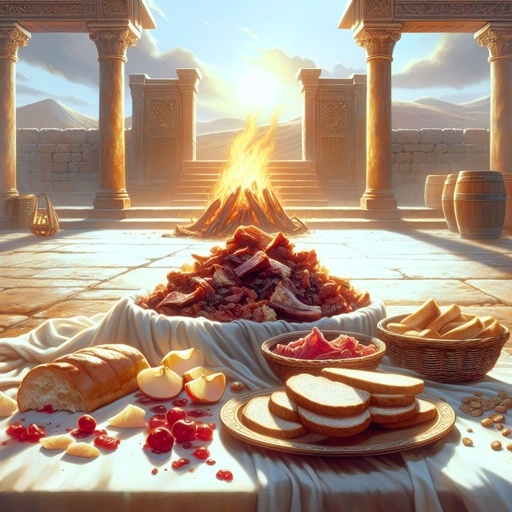
Exodus 29:34 - "And if ought of the flesh of the consecrations, or of the bread, remain unto the morning, then thou shalt burn the remainder with fire: it shall not be eaten, because it is holy." The image should not depict explicit or offensive content but be symbolic.

Exodus 35:29 - "The children of Israel brought a willing offering unto the LORD, every man and woman, whose heart made them willing to bring for all manner of work, which the LORD had commanded to be made by the hand of Moses."
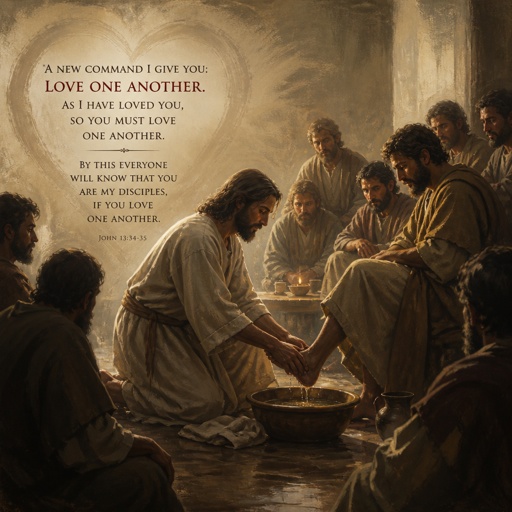
John 13: 34-35

Lucas 20:34-35
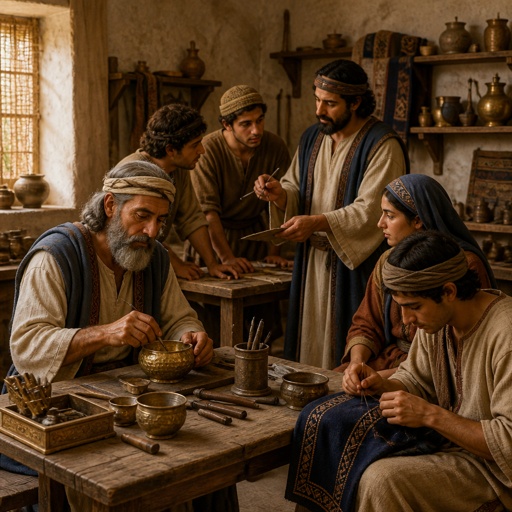
"And he hath put in his heart that he may teach, both he, and Aholiab, the son of Ahisamach, of the tribe of Dan." - Exodus 35:34

1 Samuel 17:34-35

Exodus 34:29 - "¶ And it came to pass, when Moses came down from mount Sinai with the two tables of testimony in Moses' hand, when he came down from the mount, that Moses wist not that the skin of his face shone while he talked with him."

Genesis 29:16-35

Matthew 20:29-34

Exodus 32.15-35

Exodus 40: 34

Job 34:35 - "Job hath spoken without knowledge, and his words were without wisdom."
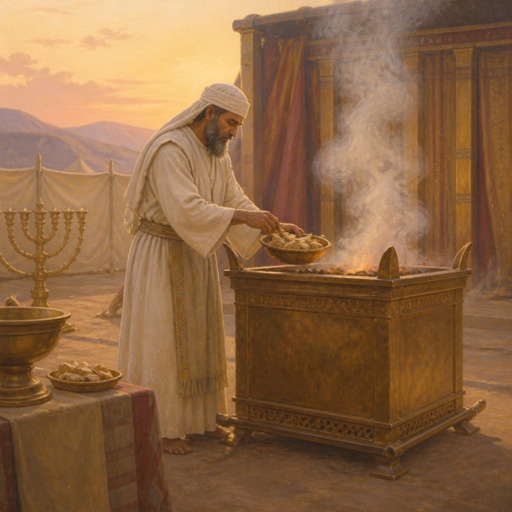
"And if ought of the flesh of the consecrations, or of the bread, remain unto the morning, then thou shalt burn the remainder with fire: it shall not be eaten, because it is holy." - Exodus 29:34

Exodus 28:31-34
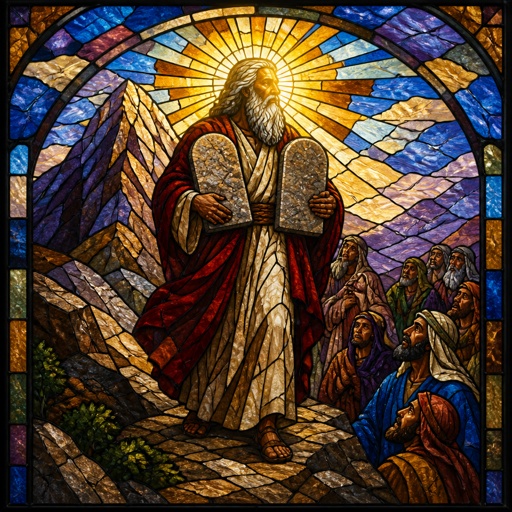
"And it came to pass, when Moses came down from mount Sinai with the two tables of testimony in Moses’ hand, when he came down from the mount, that Moses wist not that the skin of his face shone while he talked with him." - Exodus 34:29

Exodus 35:18 - "The pins of the tabernacle, and the pins of the court, and their cords,"

Exodus 39:35 - "The ark of the testimony, and the staves thereof, and the mercy seat,"

Exodus 28:31-34

Exodus 28:31-34

Exodus 35:9 - "And onyx stones, and stones to be set for the ephod, and for the breastplate."

Exodus 35:32 - "And to devise curious works, to work in gold, and in silver, and in brass,"

Exodus 35:6 - "And blue, and purple, and scarlet, and fine linen, and goats' hair,"

Exodus 35:8 - "And oil for the light, and spices for anointing oil, and for the sweet incense,"

Exodus 35:12 - "The ark, and the staves thereof, with the mercy seat, and the vail of the covering,"