The Divine Designer: Understanding Our Limitations
“And the LORD said unto him, Who hath made man’s mouth? or who maketh the dumb, or deaf, or the seeing, or the blind? have not I the LORD?” — Exodus 4:11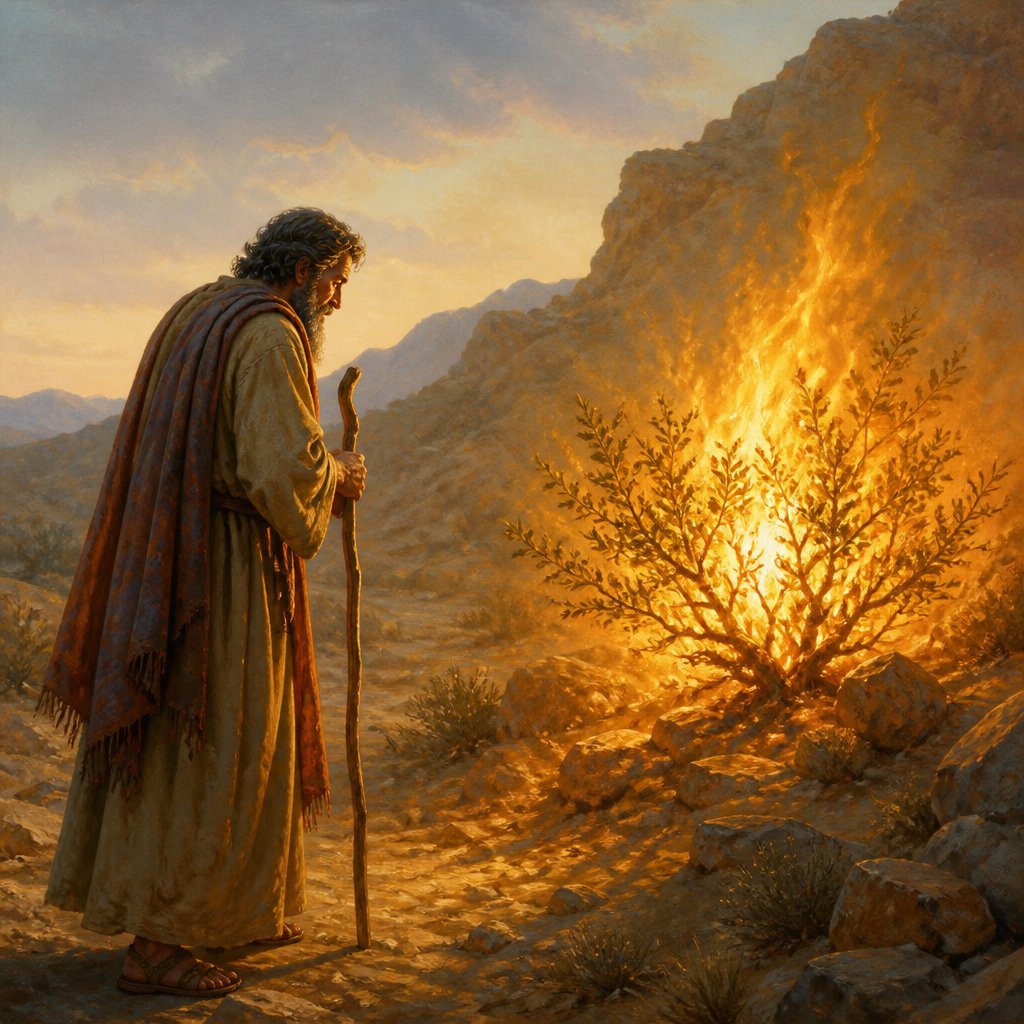
Exodus 4:11 (KJV) states, "And the LORD said unto him, Who hath made man's mouth? or who maketh the dumb, or deaf, or the seeing, or the blind? have not I the LORD?" This profound verse captures a pivotal moment in the story of Moses — a moment filled with doubt, fear, and, ultimately, revelation.
As we delve into the narrative surrounding this scripture, we find Moses at a critical juncture in his journey of faith. After years of self-imposed exile and a life burdened by the knowledge of his people’s suffering, God calls Moses to lead the Israelites out of slavery in Egypt. Despite God’s clear command and reassurance, Moses hesitates. He voices his concern, stating, "I am not eloquent... but I am slow of speech, and of a slow tongue" (Exodus 4:10). Here, we see Moses’ vulnerability and self-doubt surface. He feels inadequate for the monumental task laid before him.
God's response to Moses is far from chastising; instead, it is deeply compassionate and laden with truth. "Who hath made man's mouth?" God asks, reminding Moses that it is He who creates and ordains our abilities. This question points to the sovereignty of God over human limitations. It serves as a powerful reminder that our inadequacies are not barriers to God’s plans; they are opportunities for God’s glory to be revealed. God knows every aspect of our being — our strengths, weaknesses, and even what we consider shortcomings.
In this moment, God sheds light on His omnipotence. He creates individuals who can speak and those who cannot. He opens the eyes and the ears of those who are blind and deaf. God is the maker of every human condition. This affirmation challenges our perceptions of disability and ability. How often do we limit ourselves based on our understanding of what we can do? We allow our fears to govern our paths, often forgetting that God’s power is made perfect in our weakness (2 Corinthians 12:9).
When we feel inadequate, it is easy to focus on our disabilities rather than on God’s ability. God does not call the equipped but equips the called. Moses’ reluctance highlights a common theme among the faithful throughout scripture – that God often chooses the unassuming to carry out His divine purposes. Think of David, a mere shepherd boy chosen to be king, or Gideon, trembling with fear yet selected to lead Israel against an overwhelming army. These narratives remind us that God delights in using the humble and the weak to shine forth His strength.
This principle speaks volumes to our everyday lives. Consider the moments when you felt unworthy or incapable: presenting in front of a crowd, facing an intimidating challenge at work, or extending forgiveness to those who have wronged you. We often underestimate our potential, forgetting that we have the Creator of the universe on our side, who has empowered us for every task He has called us to.
In our struggles, it’s vital to remember that we do not journey alone. God assures Moses that he will not be left to fend for himself; He will provide Aaron, his brother, to speak for him. This idea of divine partnership resonates with us today as we are reminded of the Body of Christ — no one is called to walk this path alone. We all have a role to play and are interdependent on one another for support and encouragement.
In closing, let us embrace our identities as God’s creations with peace and purpose. We may face challenges in communicating our message or doubts about our capabilities, but we can rest assured in the truth that God, the One who formed our mouths and our minds, equips us to fulfill the calling. Next time fear grips our hearts, let us remember Exodus 4:11, and trust in the Lord’s perfect plan, confident that He alone is the answer to our limitations.
Get our apps


Artwork for Exodus 4:11

Exodus 4:11 - "And the LORD said unto him, Who hath made man's mouth? or who maketh the dumb, or deaf, or the seeing, or the blind? have not I the LORD?"
"And the LORD said unto him, Who hath made man's mouth? or who maketh the dumb, or deaf, or the seeing, or the blind? have not I the LORD?" - Exodus 4:11

Exodus 11:4 - "And Moses said, Thus saith the LORD, About midnight will I go out into the midst of Egypt:"

Exodus 4:1-5
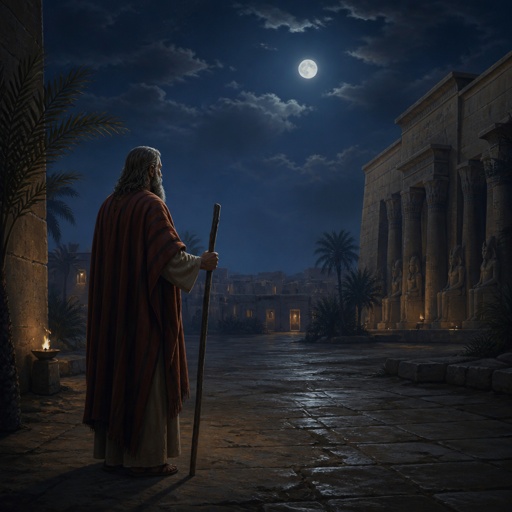
"And Moses said, Thus saith the LORD, About midnight will I go out into the midst of Egypt:" - Exodus 11:4

exodus 18:11

Exodus 17:11
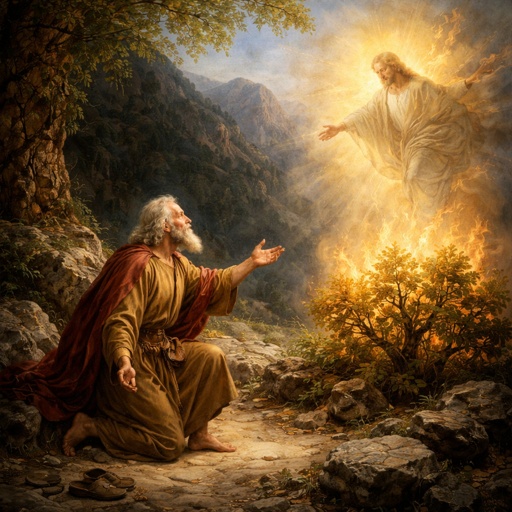
exodus 3:11

The Plague on the Firstborn - Exodus 11
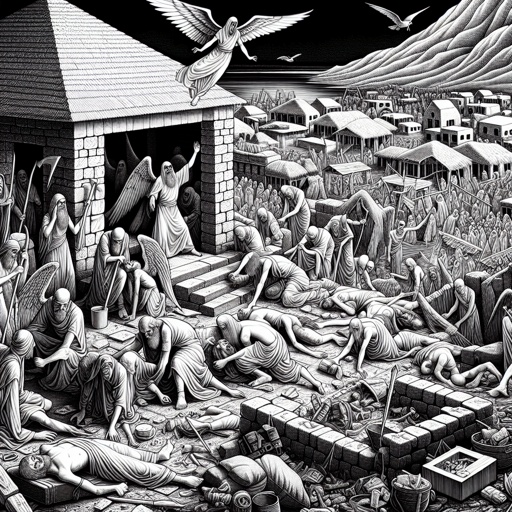
The Plague on the Firstborn - Exodus 11

The Plague on the Firstborn - Exodus 11
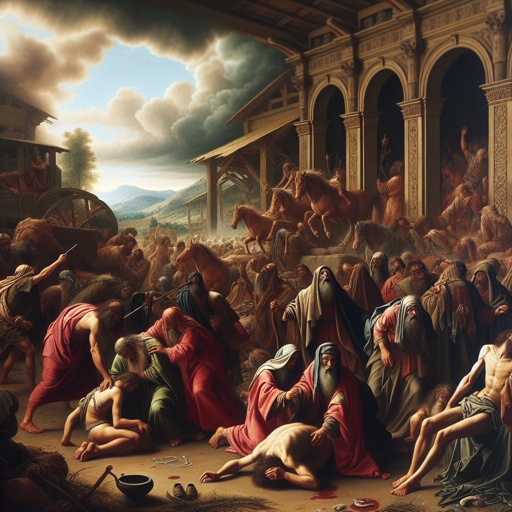
The Plague on the Firstborn - Exodus 11

Exodus 24:9-11

The Plague on the Firstborn - Exodus 11

The Plague on the Firstborn - Exodus 11

Exodus 23:4

Exodus 28:4

Exodus 28:4

Exodus 28:4

Exodus 28:4

Exodus 24:4

Exodus 23:4

Exodus 16:11 - "¶ And the LORD spake unto Moses, saying,"

Exodus 30:11 - "¶ And the LORD spake unto Moses, saying,"

Exodus 39:11 - "And the second row, an emerald, a sapphire, and a diamond."

The Plague on the Firstborn Son - Exodus 11

Exodus 40:11 - "And thou shalt anoint the laver and his foot, and sanctify it."

Exodus 1:4 - "Dan, and Naphtali, Gad, and Asher."

Exodus 29:11 - "And thou shalt kill the bullock before the LORD, by the door of the tabernacle of the congregation."

The Plague on the Firstborn - Exodus 11, 12:1-30