A Reluctant Messenger: Embracing God's Call
“And he said, O my Lord, send, I pray thee, by the hand of him whom thou wilt send.” — Exodus 4:13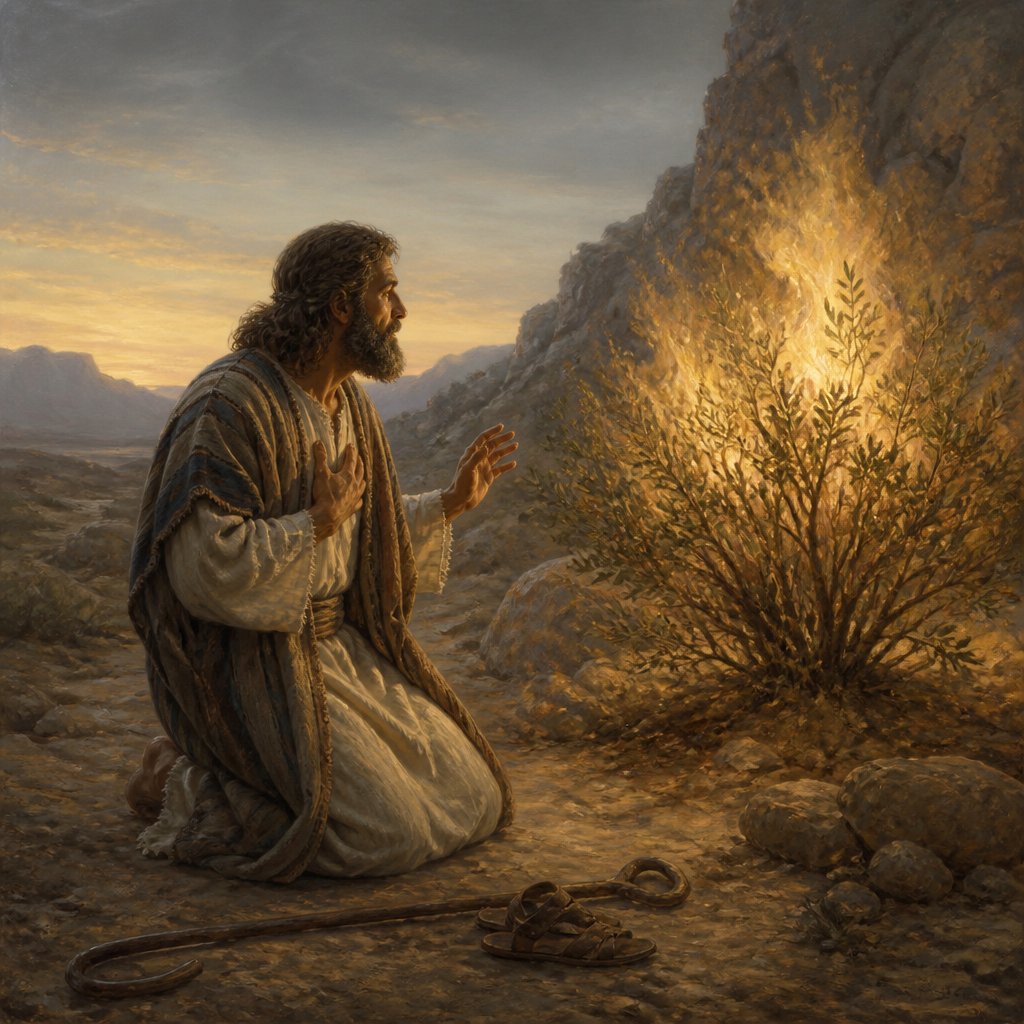
Exodus 4:13 states, "And he said, O my Lord, send, I pray thee, by the hand of him whom thou wilt send." This verse encapsulates the essence of hesitation mixed with a deep desire for obedience that is often found in the hearts of many believers. In Exodus, we encounter Moses at a pivotal point in his life—one where he finds himself at the edge of God's calling, yet paralyzed by self-doubt and insecurity.
Moses had just experienced God’s calling through the burning bush—a profound moment that altered the trajectory of his life. God had chosen him to be the deliverer of the Israelites from the oppression of Pharaoh in Egypt. Instead of embracing this divine mission, Moses wrestled with his inadequacies, voicing his concern over his ability to articulate God's message. He feared rejection, questioned his own skills, and fell into the trap of allowing self-doubt to cloud his obedience to God.
In our spiritual walk, how often do we find ourselves echoing Moses' sentiments? The divine whisper of God calling us to lead, to serve, or to speak can easily be met with a stumbling response. "Send someone else," we might plead, much like Moses. In biblical history and in contemporary life, God routinely calls the unlikely to fulfill great purposes.
Moses standing before God felt significant pressure; he was essentially being asked to confront an empire, a task that would require bravery and tenacity. However, Moses' response reflects a reality many of us face: the fear of stepping out of our comfort zones. We are attuned to our limitations and vulnerabilities, and these very fears can immobilize us in our quest to follow God's will.
One important consideration in this passage is that God's selection of Moses was not a mistake; God did not call him despite his inadequacies but rather because of them. In Scripture, God often chooses the weak to confound the strong (1 Corinthians 1:27). In a world that equates success with capability, God’s approach is refreshing and contrasting. When we respond to God’s call, we may not feel ready or equipped, but it is His strength that will ultimately carry the mission forward.
In contemplating God’s call, we must ask ourselves: What is holding us back from responding with courage and commitment? It may be the weight of our past, the enormity of the task, or the fear of failure that prevents us from saying "yes". But we must remember that God equips those He calls. Our feelings of inadequacy can be transformed into a tapestry of grace when we submit to His will.
Just as Moses had revelations of God’s support through the signs (the miracles God enabled him to perform), we, too, have the assurance of God’s presence. He promised His nearness in Matthew 28:20, "And, lo, I am with you always, even unto the end of the world. Amen." This promise reassures us that we do not journey alone.
As we reflect upon Exodus 4:13, let us consider what God is calling us to do. Are we hesitating in our hearts, longing for someone else to step into the role He has for us? This verse invites us to surrender our fears and trust that God is more than capable of taking our imperfect selves and transforming them into vessels for His glory.
Let us pray: Lord, I confess that there are times I have shied away from Your call, convinced of my inadequacies. Help me to remember that You do not seek perfection but a willing heart. Empower me to step forward in faith, trusting in Your unfailing support. May I find peace in knowing that through my weaknesses, Your power is magnified. In Jesus’ name, Amen.
Get our apps


Artwork for Exodus 4:13

Exodus 4:13 - "And he said, O my Lord, send, I pray thee, by the hand of him whom thou wilt send."
"And he said, O my Lord, send, I pray thee, by the hand of him whom thou wilt send." - Exodus 4:13

Exodus 13:4 - "This day came ye out in the month Abib."
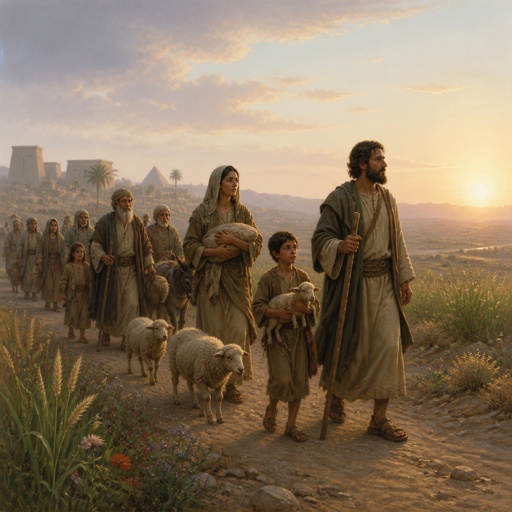
"This day came ye out in the month Abib." - Exodus 13:4

Exodus 14:13

Exodus 14:13

Exodus 14:13

Exodus 14:13

Exodus 14:13

Exodus 14:13

Exodus 14:13
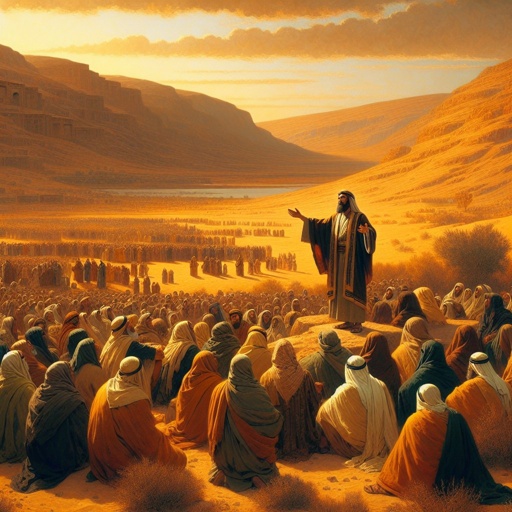
Exodus 14:13

Exodus 14:13

Exodus 14:13
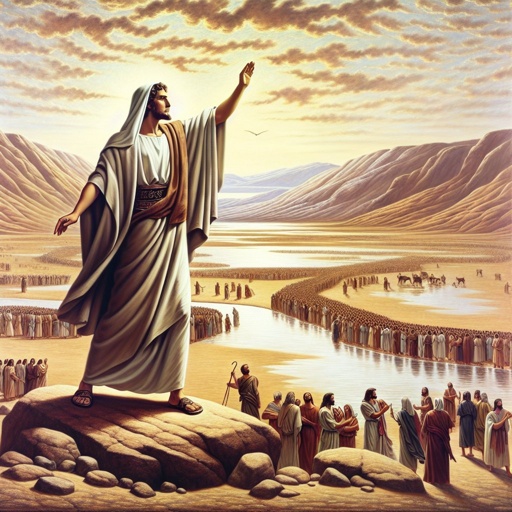
Exodus 14:13

Exodus 14:13
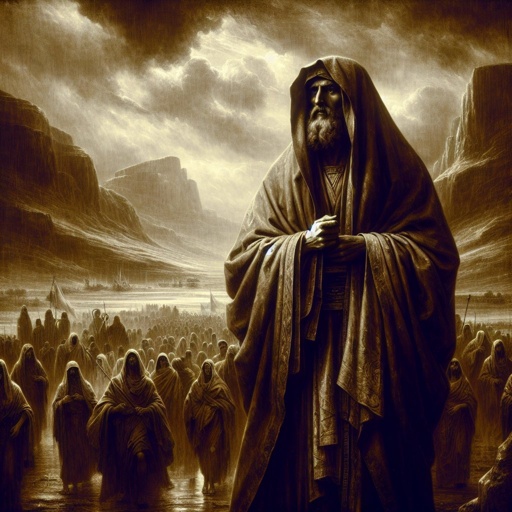
Exodus 14:13
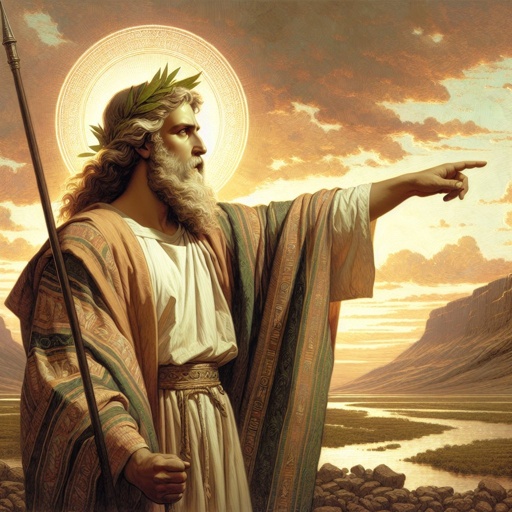
Exodus 14:13

Exodus 14:13

Exodus 14:13

Exodus 14:13

Exodus 14:13

Exodus 14:13
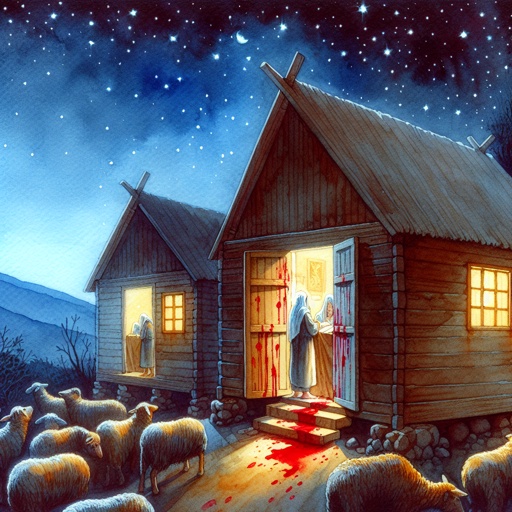
Exodus 12:13

Exodus 14:13

Exodus 14:13

Exodus 14:13

Exodus 14:13

Exodus 14:13

Exodus 14:13