The Sovereign Hand of God: Understanding His Purposes Amidst Hardness
“And I will harden Pharaoh’s heart, and multiply my signs and my wonders in the land of Egypt.” — Exodus 7:3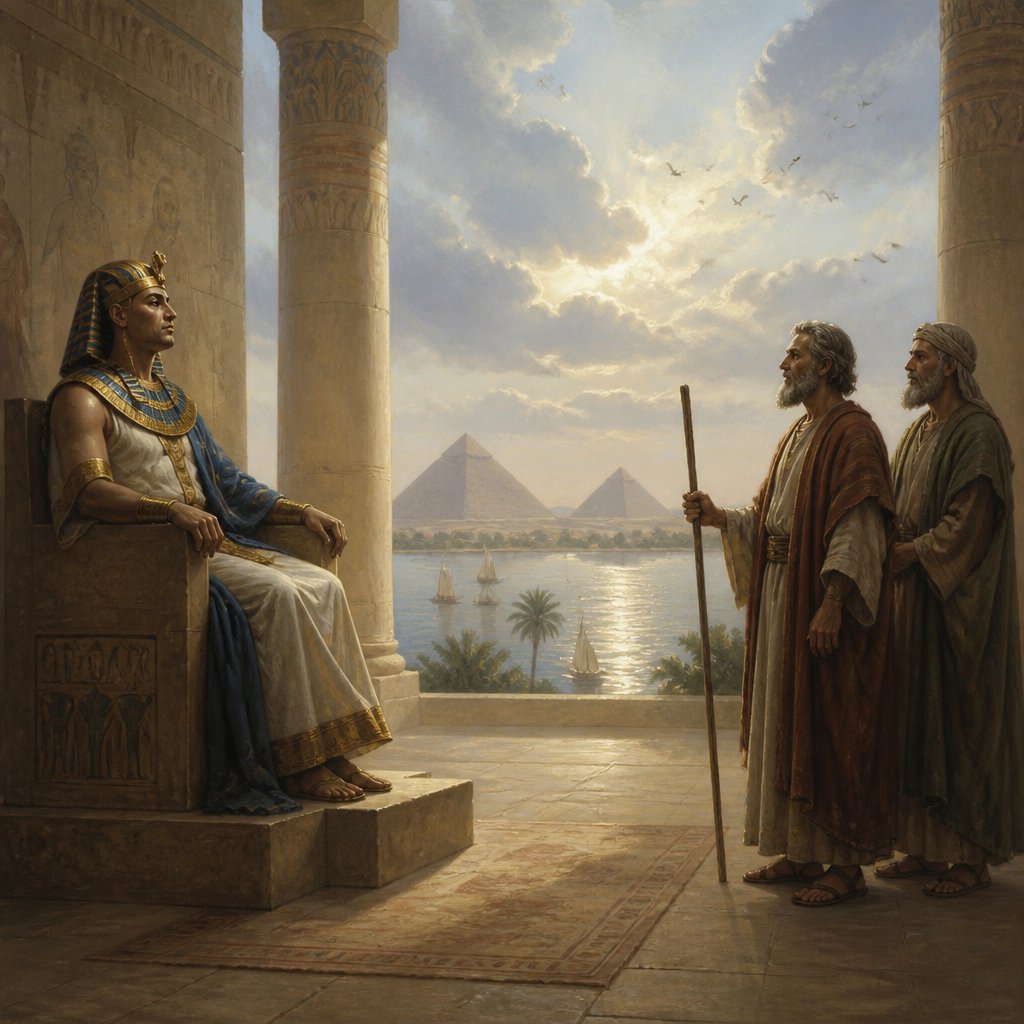
The story of Exodus is a profound narrative illustrating God’s relentless pursuit of His people and the sovereignty of His will. In Exodus 7:3 (KJV), we read, "And I will harden Pharaoh's heart, and multiply my signs and my wonders in the land of Egypt." At first glance, this verse raises questions about the nature of God’s actions and intentions. Why would God harden Pharaoh’s heart? What purpose does this serve, both for Pharaoh and for the Israelites? To unpack this, we must examine God’s sovereignty, the purpose of signs and wonders, and the implications of a hardened heart.
First, let us contemplate God’s sovereignty. Throughout the Book of Exodus, we see the Creator exercising His supreme authority over creation. Pharaoh, a ruler considered divine within Egyptian culture, encountered the true God facing his façade of sovereignty. By hardening Pharaoh’s heart, God does not simply act whimsically; rather, He orchestrates a scenario to reveal His glory. God could have easily softened Pharaoh's heart to enable an easy exodus for the Israelites, but He had greater plans in mind. In the subsequent plagues and miracles, God’s power would be manifested to both His people and Egypt, demonstrating that He is the one true God. His sovereignty means that He controls the hearts of kings (Proverbs 21:1), and even the mightiest ruler’s obstinacy cannot impede His divine plan. Just as God had a purpose in the hardening of Pharaoh’s heart, He has a purpose for our lives, even during times of hardship and struggle.
Secondly, consider the concept of signs and wonders multiplied in the land of Egypt. The miracles God performed were not solely to punish Pharaoh; they embodied a call for Israel to witness the power of their God. Each sign and wonder demonstrated God's authority over creation, establishing His reputation among the nations. For the Israelites, witnessing these miraculous acts would strengthen their faith and affirm their identity as God's chosen people. These wonders would not only lead to their liberation but also serve as a witness to future generations of God's faithfulness. Indeed, as we reflect on our spiritual journeys, we often find that it is in the midst of trials—the signs and wonders in our lives—that our faith is either tested or bloomed.
However, we must not overlook the significance of a hardened heart. In Scripture, the heart symbolizes the inner being—thoughts, desires, and intentions. A hardened heart represents a resistance to God’s voice and a refusal to accept His ways. Pharaoh's hardened heart serves as a poignant reminder for us. It is a warning against spiritual stubbornness, where pride may lead us to dismiss God's commands and the nudges of the Holy Spirit. Reflecting on our responses to God’s leading can be illuminating. Are we open to His influence, or are we resistant due to fear or a desire for control? Paul reminds us in Romans 12:2 (KJV), "And be not conformed to this world: but be ye transformed by the renewing of your mind, that ye may prove what is that good, and acceptable, and perfect, will of God." The journey from hardness to a receptive heart starts with humility—an acknowledgment of God’s sovereignty and our need for His transformative power.
In conclusion, Exodus 7:3 calls us to recognize the profound interplay between God’s sovereignty and human response. Rather than viewing God’s hardening of Pharaoh as mere cruelty, we see it as part of a larger divine narrative aimed at displaying His greatness and fulfilling His promises. Like Pharaoh, we have a choice; we can either harden our hearts against God’s leadership or allow Him to soften us and mold us into His likeness. May we not be turned away by signs and wonders but drawn closer to Him, that through our trials and experiences, we may witness His salvation and the assurance that He is indeed working all things together for our good (Romans 8:28). In all circumstances, let us remain open to God’s calling and receptive to the transformative work He longs to do in us.
Get our apps


Artwork for Exodus 7:3

Exodus 7:3 - "And I will harden Pharaoh's heart, and multiply my signs and my wonders in the land of Egypt."
"And I will harden Pharaoh's heart, and multiply my signs and my wonders in the land of Egypt." - Exodus 7:3

Exodus 3:7 - "¶ And the LORD said, I have surely seen the affliction of my people which are in Egypt, and have heard their cry by reason of their taskmasters; for I know their sorrows;"
exodus 3

exodus 3

Exodus 7:10

Exodus 7:10

Exodus 12:7

Exodus 12:7

Exodus 3:12

Exodus 3:12

Exodus 17:3

Exodus 3:12

Exodus 3:12

Exodus 3:12

Exodus 7:14-24
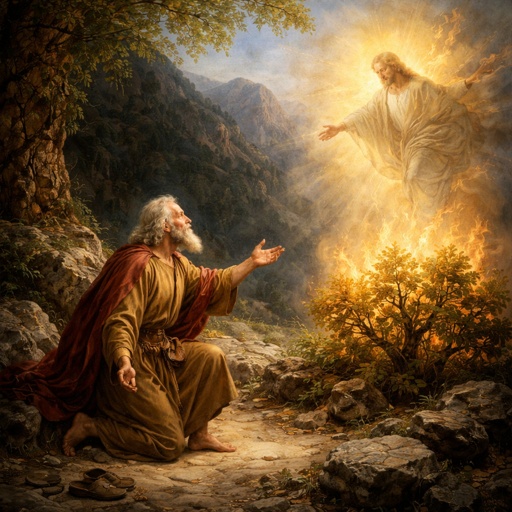
exodus 3:11

Exodus 3:14

Exodus 3:14

Exodus 3:14

exodus 3:14

Exodus 3:14

Exodus 17:3

Exodus 3:12

Exodus 3:12

Exodus 7:7 - "And Moses was fourscore years old, and Aaron fourscore and three years old, when they spake unto Pharaoh."

Exodus 1:3 - "Issachar, Zebulun, and Benjamin,"

exodus 27:3 forks

Exodus 25:7 - "Onyx stones, and stones to be set in the ephod, and in the breastplate."

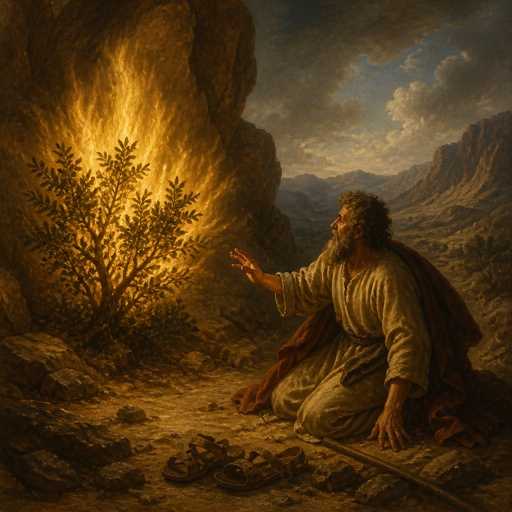
Exodus 3:3 - "And Moses said, I will now turn aside, and see this great sight, why the bush is not burnt."