The Divine Image: Understanding God's Creatures in Ezekiel 1:11
“Thus were their faces: and their wings were stretched upward; two wings of every one were joined one to another, and two covered their bodies.” — Ezekiel 1:11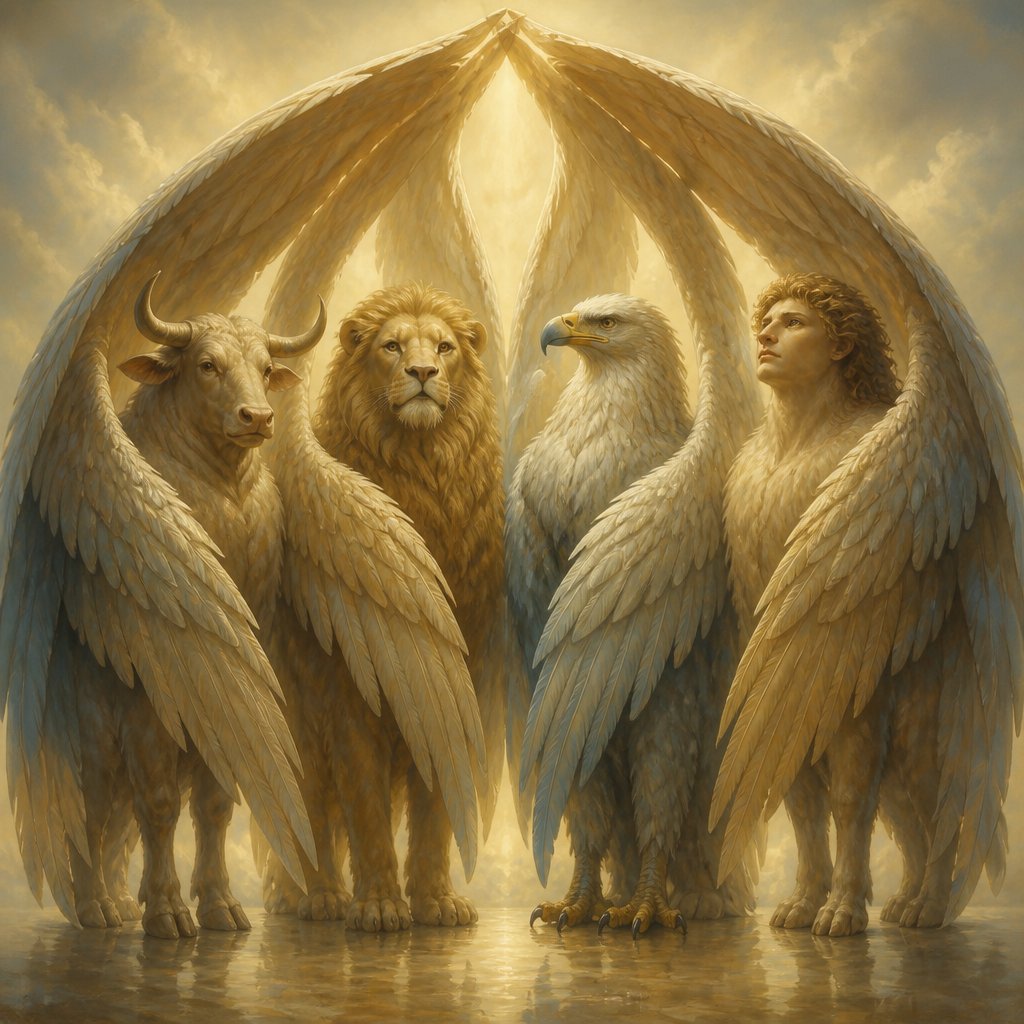
In the depths of Ezekiel's vision, amidst the vivid imagery of celestial beings, we see an extraordinary representation of God's creation: the cherubim. Ezekiel 1:11 states, "Thus were their faces: and their wings were stretched upward; two wings of every one were joined one to another, and two covered their bodies." This verse serves as both a powerful descriptive element of heavenly worship and a profound theological insight into the nature of divine service.
Ezekiel, a prophet during a tumultuous period in Israel’s history, was called to speak God’s truth to a people in exile. This call was accompanied by visions that revealed not only God’s sovereignty but also His glorious nature. In Chapter 1, we are introduced to the cherubim—heavenly creatures that are intricately designed and brimming with symbolism. The faces, wings, and posture of the cherubim are paramount for understanding their role and what they signify about the nature of service unto God.
The phrase "their wings were stretched upward" captures a compelling image of reverence and readiness. Wings in the Bible often represent swiftness and the ability to ascend towards God. The upward stretch suggests a posture of worship and submission. It challenges us to examine our own spiritual posture before God. Are our lives, like the cherubim, stretching upward towards our Creator? Do we live with affection and ambition towards seeking the presence of God? In our day-to-day lives, it can be easy to become grounded, consumed by earthly affairs, and neglect the vertical relationship we are called to maintain with our Heavenly Father.
The detail that "two wings of every one were joined one to another" speaks not only to the unity of the cherubim but also to the unity that we are called to exhibit among ourselves as believers. The joining of wings can be a profound metaphor for community and collective worship. As the body of Christ, we are not meant to function in isolation but to join together in a harmonious relationship that reflects God’s love and glory. Just as the cherubim serve one another in their form of divine duty, we too must serve our neighbors, listing to their needs and responding with compassion and love. This verse reminds us to cultivate a sense of connection and unity within the Body of Christ, allowing our differences to be a source of strength rather than division.
Furthermore, the imagery of "two covered their bodies" illustrates humility. The covering of their bodies suggests a profound respect for the holiness of God. Even these majestic creatures of heaven acknowledge their position in relation to God’s glory. This prompts us to consider our own postures of humility. When we think of coming into the presence of God, we may sometimes take it for granted. Yet, the cherubim teach us that worship requires humility—recognizing our created nature and the holiness of the Creator. As we approach God, let us cover ourselves in humility, acknowledging our need for grace and our call to righteousness.
In essence, Ezekiel 1:11 paints a picture of worship that embraces unity, reverence, and humility. As we journey forward in our walk with Christ, let us strive to embody these characteristics. May our wings stretch upward in a pursuit of God. May we join together as a community in loving service. May we humble ourselves before the Almighty, acknowledging His glory. By honing these qualities, we can reflect the very design that God intended for us in His image—beautiful, humble, and ready for divine service. As we meditate on this vision from Ezekiel, let us ask God to create in us a heart fully devoted, a life stretching upward in worship and service.
Get our apps


Artwork for Ezekiel 1:11

Ezekiel 1:11 - "Thus were their faces: and their wings were stretched upward; two wings of every one were joined one to another, and two covered their bodies."
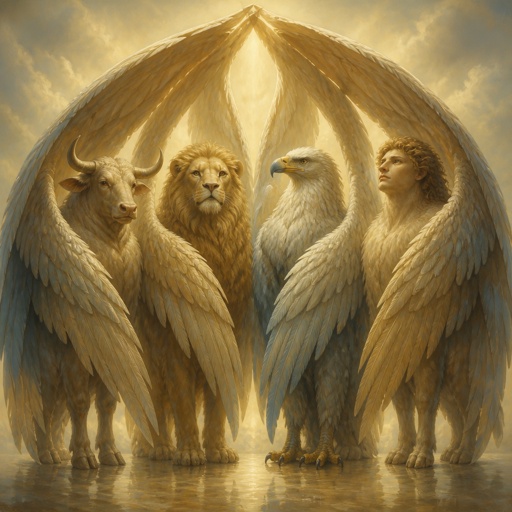
"Thus were their faces: and their wings were stretched upward; two wings of every one were joined one to another, and two covered their bodies." - Ezekiel 1:11

Ezekiel 1:1-28

Ezekiel 1:1-28

Ezekiel 1:1-28

Ezekiel 1:1-28

Ezekiel 1:1-28

Ezekiel 1:1-28

Ezekiel 1:1-28

Ezekiel 1:1-28

Ezekiel 1:1-28

Ezekiel 1:10-11

Ezekiel 1:4-28

Acts 1:1-11

Acts 1:1-11

Revelation 1:11

Isaiah 11:1

Ezekiel 1:1-28 I would like to see your vision of what a cherubim is as it is described in EZEKIEL

Revelation 1:11

Ezekiel 28:11-19

Ezekiel 28:11-19

Ezekiel 28:11-19

Ezekiel 28:11-19

Ezekiel 28:11-19

Ezekiel 28:11-19

Nehemiah 11:1-19

Ezekiel 39:11

Ezekiel 39:11

Ezekiel 1:1-28 I would like to see your vision of what a cherubim is as it is described in EZEKIEL Make sure the wheels have eyes

Ezekiel 1:1-28 I would like to see your vision of what a cherubim is as it is described in EZEKIEL Make sure the wheels have eyes