The Sound of Warning: A Call to Heed God's Voice
“Cry and howl, son of man: for it shall be upon my people, it shall be upon all the princes of Israel: terrors by reason of the sword shall be upon my people: smite therefore upon thy thigh.” — Ezekiel 21:12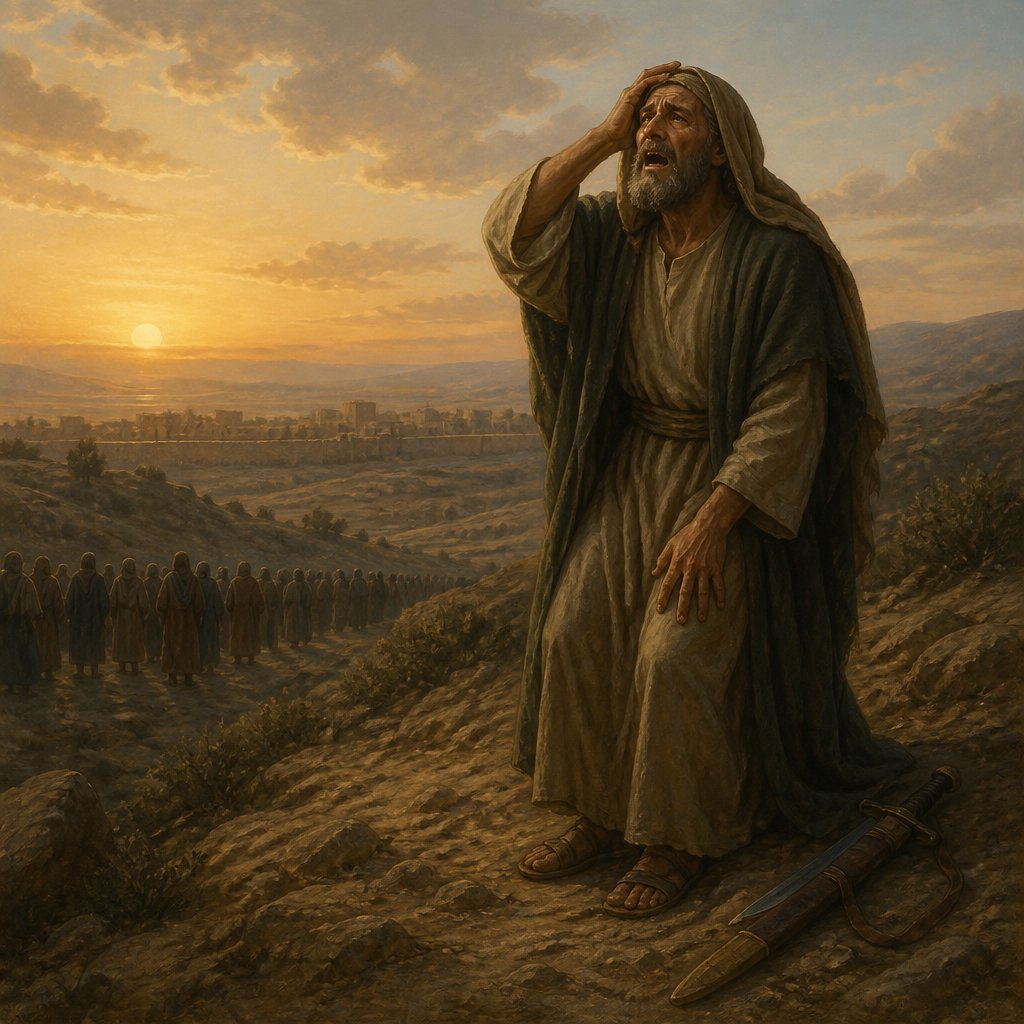
In Ezekiel 21:12, we find the poignant and alarming exhortation: "Cry and howl, son of man: for it shall be upon my people, it shall be upon all the princes of Israel: terrors by reason of the sword shall be upon my people: smite therefore upon thy thigh." These words are not merely a call to emotional lament but a profound warning from God to His people through the prophet Ezekiel. As we dive deeper into this verse, we discover both the severity of God's impending judgment and His unwavering desire for His people to fully comprehend the gravity of their situation.
The imagery presented in this verse is vivid and heartrending. God commands Ezekiel to cry and howl – expressions of deep sorrow, grief, and alarm. This is not a casual or mild declaration; rather, it encapsulates the enormity of the crisis the people of Israel are facing. The phrase "it shall be upon my people" signifies an impending disaster that will affect the entire nation, from the commoner to the most powerful princes. It reflects God's deep concern for His people as He prepares them for the truth they must confront.
Why does Ezekiel need to cry and howl? Because the terror approaching them is not just a physical threat; it is the result of their own choices, their rebellion against God, and the outcome of their unfaithfulness to the covenant. The sword represents judgment, the instrument through which God's discipline will be administered. We must understand that God's judgment serves a purpose: it aims to bring about repentance and restoration. Just as a loving father warns and disciplines his children, so God lovingly calls His own people to recognize their sins and return to Him.
"Smite therefore upon thy thigh" indicates an action of mourning or distress — a sign of grief and recognition of their helpless state. The act of striking the thigh suggests deep anguish and sorrow, a physical manifestation of the internal devastation that comes with understanding the consequences of one’s actions. The people of Israel are being called to a profound awareness of their situation, and Ezekiel, as God's messenger, is to lead them in this emotional and spiritual awakening.
In our modern context, we must also reflect on what this verse asks of us. God has not changed; His concern for His people remains. While we may not face the same physical threats as Israel did, we too live in a world rife with sin, moral decay, and spiritual lethargy. Are we, like the princes of Israel, turning a blind eye to the terrors that befall our communities? Have we grown numb to the cries of the marginalized, or have we ignored the silent anguish of our friends and family as they face spiritual battles?
As followers of Christ, it is imperative that we take seriously the call to be watchmen for our communities. We are tasked with the responsibility to "cry and howl" against injustice, complacency, and the moral decline that often permeates our surroundings. We must not only acknowledge the sin within our hearts but also commit to taking action — reaching out, speaking truth, and fostering love in a hurting world.
Let us take time to listen for God’s voice, allowing it to penetrate our complacency, awakening us to the realities of sin and its consequences. Like Ezekiel, may we be willing to bear the burden of intercession, crying out for our people, our leaders, and ultimately ourselves. In this process, we will not only mourn the state of our world but will be led to repentance, healing, and restoration as we draw closer to the heart of God.
In conclusion, Ezekiel 21:12 serves as a stark reminder of the seriousness of our covenant relationship with God. We are called to respond to His warnings with urgency, grace, and love, understanding that true repentance leads to the blessing of restoration. Let us not smite our thighs in vain but commit ourselves to action, heeding His call and interceding for our communities with fervor.
Get our apps


Artwork for Ezekiel 21:12

Ezekiel 21:12 - "Cry and howl, son of man: for it shall be upon my people, it shall be upon all the princes of Israel: terrors by reason of the sword shall be upon my people: smite therefore upon thy thigh."
"Cry and howl, son of man: for it shall be upon my people, it shall be upon all the princes of Israel: terrors by reason of the sword shall be upon my people: smite therefore upon thy thigh." - Ezekiel 21:12

Ezekiel 12:21 - "¶ And the word of the LORD came unto me, saying,"

Matthew 2:1-2

Genesis 2:1-2

Genesis 2:1-2

"¶ And the word of the LORD came unto me, saying," - Ezekiel 12:21

Ezekiel 21:7

Ezekiel 21:1 - "And the word of the LORD came unto me, saying,"

Ezekiel 21:18 - "¶ The word of the LORD came unto me again, saying,"

Ezekiel 21:8 - "¶ Again the word of the LORD came unto me, saying,"

ezekiel 47:1-12

ezekiel 47:1-12

ezekiel 47:1-12

ezekiel 47:1-12

ezekiel 47:1-12

Ezekiel 47:1-12

ezekiel 47:1-12

ezekiel 47:1-12

ezekiel 47:1-12

ezekiel 47:1-12

ezekiel 47:1-12

ezekiel 47:1-12

ezekiel 47:1-12

ezekiel 47:1-12

Proverbs 2:1-2 - "My son, if you accept my words and store up my commands within you, turning your ear to wisdom and applying your heart to understanding."

Revelation 21:12

Genesis 21-12

Ezekiel 28:21 - "Son of man, set thy face against Zidon, and prophesy against it,"

Ezekiel 21:21 - "For the king of Babylon stood at the parting of the way, at the head of the two ways, to use divination: he made his arrows bright, he consulted with images, he looked in the liver."