The Sovereignty of God: Understanding His Judgments
“And I will execute judgments upon Moab; and they shall know that I am the LORD.” — Ezekiel 25:11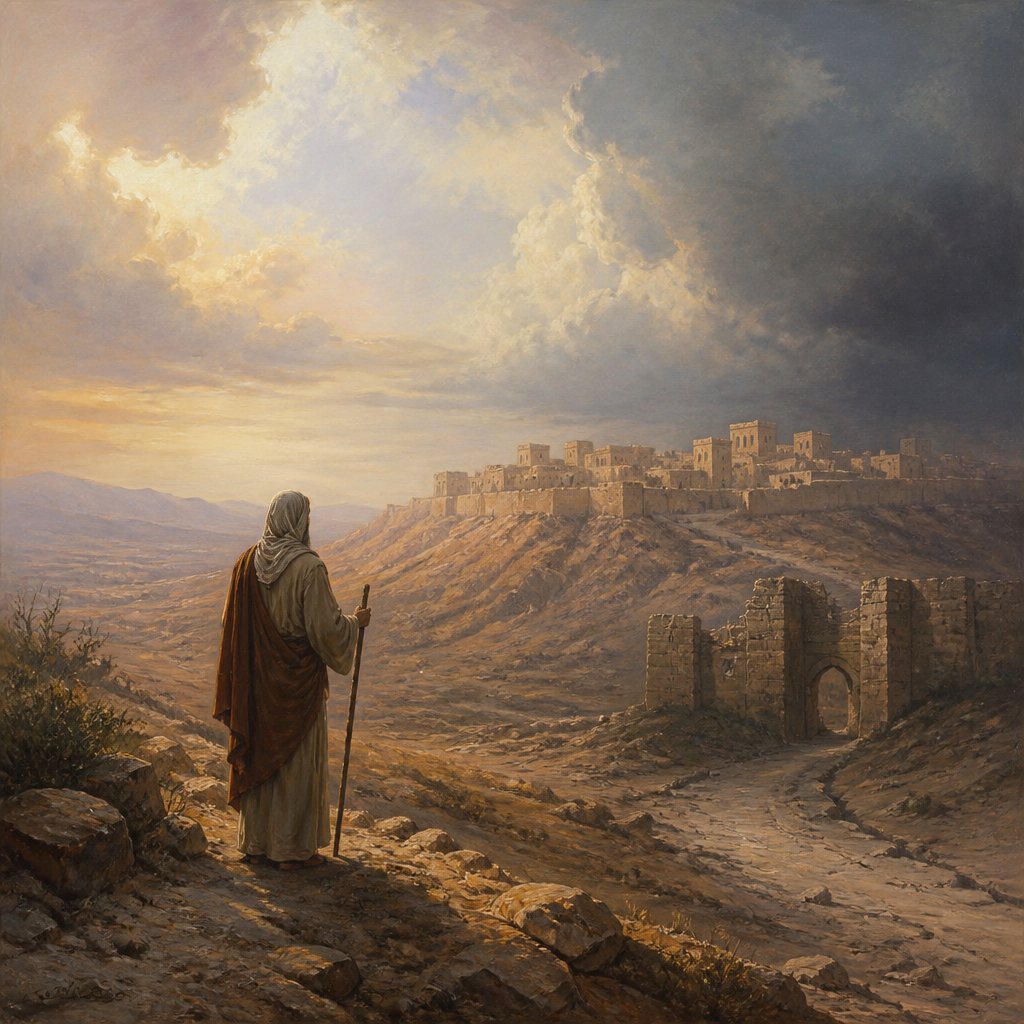
In Ezekiel 25:11, the Lord declares, "And I will execute judgments upon Moab; and they shall know that I am the LORD." This profound statement encapsulates the sovereignty of God over the nations, revealing His divine authority to judge and His ultimate purpose in every act of judgment.
In the context of the Old Testament, the prophecy against Moab reflects the ongoing tension and conflict among the nations surrounding Israel. Moab, a nation descended from Lot, often stands as a symbol of pride and rebellion against God. Their idolatrous practices and hostility towards the people of Israel placed them firmly in the sight of divine scrutiny. This prophecy is a reminder that God does not overlook iniquity, and even the nations that appear to flourish or stand in opposition are destined to face His judgment.
In our contemporary society, where judgments often carry negative connotations, we need to unpack what it means when God executes judgment. Divine judgment is not capricious nor is it akin to human judgment, which is often rooted in personal bias or incomplete knowledge. Instead, God’s judgment stems from His holiness and His nature as a Just Judge. In executing judgments, He reveals His character—His righteousness and justice—and calls His creation to acknowledge His sovereignty.
When God pronounced judgment upon Moab, His ultimate purpose was revelatory. The verse concludes with a critical phrase, “and they shall know that I am the LORD.” This phrase invites us to reflect upon God’s desire for recognition and relationship. Every act of judgment serves as a reminder of His LORDSHIP over all creation. It is not merely about punishing wrong; it is about bringing people to a point of realization—recognizing His supreme authority and understanding who He is.
For the believer, this raises poignant questions concerning our own lives and choices. Are there areas in which we walk in rebellion or act like the Moabites—proudly ignoring God’s statutes while attempting to live freely as we choose? The challenge is to reflect on our personal lives, our decisions, and our relationships. God calls us to a life that recognizes His authority and newness in Christ Jesus. Therefore, when we find ourselves distant, we should be cautious. The loving correction of God can feel like judgment, but it is always steeped in grace, aiming to draw us back to Him.
The assurance of God’s presence as the LORD in our lives is a powerful motivator. Being aware that He governs our lives helps us to walk by faith, even in difficult seasons. When troubles arise, it is easy to forget that our circumstances are not outside of His control. Remember, while God’s judgments may seem harsh or incomprehensible, they are rooted in His unwavering love for justice and truth. This does not mean that we will understand every trial; however, it does mean that God is purposefully at work, allowing us to experience and witness His majesty through every storm.
As we reflect on this verse, let us be reminded of the importance of a heart posture that desires to know God—trusting in His plans (Jeremiah 29:11), recognizing that He is an ever-present help in times of trouble (Psalm 46:1), and looking forward to the day when all will recognize Him as LORD. Our lives should echo the truth that we are not just passive recipients of His grace; we are active participants in His divine plan.
In conclusion, as we face the challenges of life, let us take reassurance in the truth of Ezekiel 25:11. Acknowledge that God’s judgments are expressions of His faithful character. They invite us into a deeper relationship with Him, recognizing that every situation is an opportunity to declare that He is indeed the LORD.
Get our apps


Artwork for Ezekiel 25:11

Ezekiel 25:11 - "And I will execute judgments upon Moab; and they shall know that I am the LORD."
"And I will execute judgments upon Moab; and they shall know that I am the LORD." - Ezekiel 25:11

Ezekiel 11:25 - "Then I spake unto them of the captivity all the things that the LORD had shewed me."
"Then I spake unto them of the captivity all the things that the LORD had shewed me." - Ezekiel 11:25

Philippians 2:5-11

Micah 5:2-5

Ezekiel 7:25 - "Destruction cometh; and they shall seek peace, and there shall be none."

Ezekiel 28:11-19

Ezekiel 28:11-19

Ezekiel 28:11-19

Ezekiel 28:11-19

Ezekiel 25:1 - "The word of the LORD came again unto me, saying,"

Ezekiel 28:11-19

Ezekiel 28:11-19
Genesis 25-11

Ezekiel 39:11

Ezekiel 39:11

Romans 11:25-32

Matthew 25:11-13

Ezekiel 48:25 - "And by the border of Simeon, from the east side unto the west side, Issachar a portion."

Ezekiel 25:2 - "Son of man, set thy face against the Ammonites, and prophesy against them;"

Ezekiel 1:10-11

Ezekiel 1:25 - "And there was a voice from the firmament that was over their heads, when they stood, and had let down their wings."

Ezekiel 25:10 - "Unto the men of the east with the Ammonites, and will give them in possession, that the Ammonites may not be remembered among the nations."

Ezekiel 20:25 - "Wherefore I gave them also statutes that were not good, and judgments whereby they should not live;"

Acts 11:25 - "Then departed Barnabas to Tarsus, for to seek Saul:"

Ezekiel 21:25 - "¶ And thou, profane wicked prince of Israel, whose day is come, when iniquity shall have an end,"

Ezekiel 11:11 - "This city shall not be your caldron, neither shall ye be the flesh in the midst thereof; but I will judge you in the border of Israel:"

Ezekiel 25:5 - "And I will make Rabbah a stable for camels, and the Ammonites a couchingplace for flocks: and ye shall know that I am the LORD."

Luke 11:25 - "And when he cometh, he findeth it swept and garnished."