The Splendor and Downfall of Pride
“Thou hast been in Eden the garden of God; every precious stone was thy covering, the sardius, topaz, and the diamond, the beryl, the onyx, and the jasper, the sapphire, the emerald, and the carbuncle, and gold: the workmanship of thy tabrets and of thy pipes was prepared in thee in the day that thou wast created.” — Ezekiel 28:13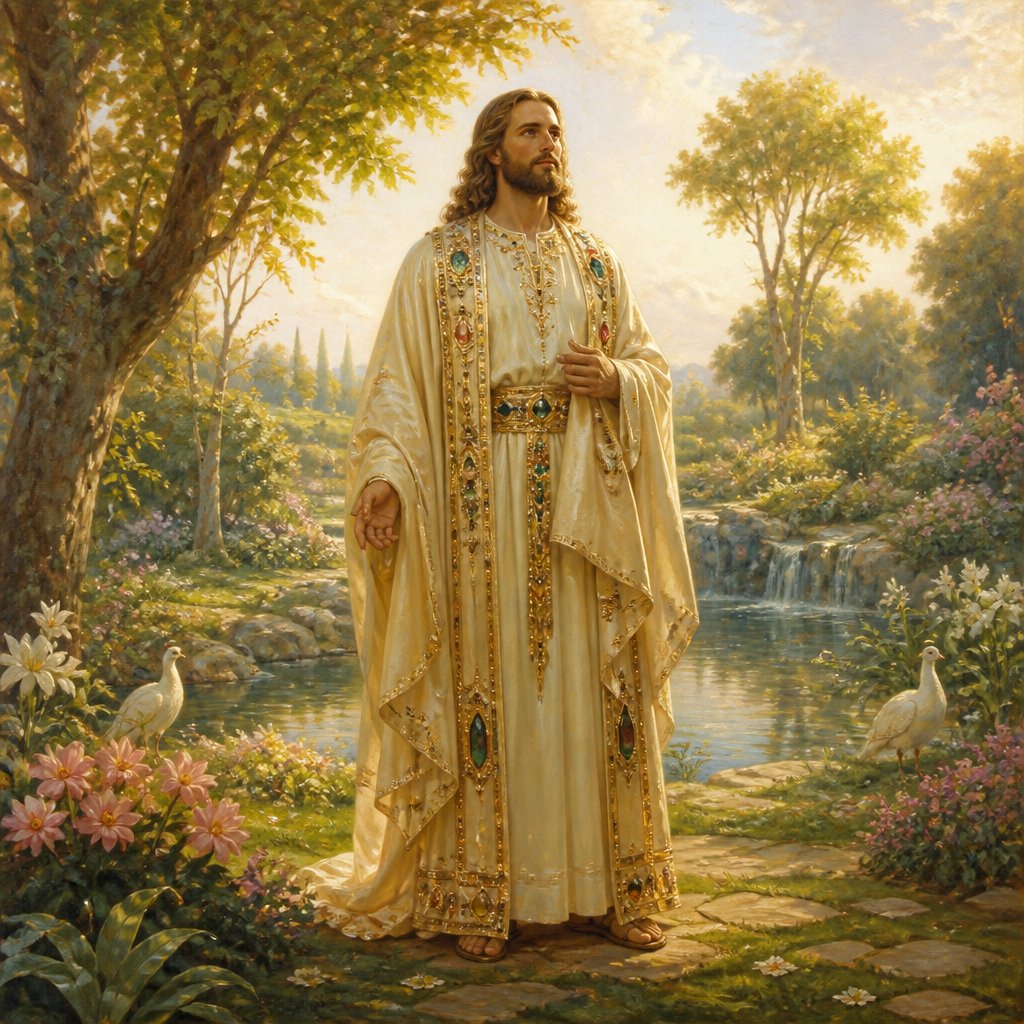
**Ezekiel 28:13** says, “Thou hast been in Eden the garden of God; every precious stone was thy covering, the sardius, topaz, and the diamond, the beryl, the onyx, and the jasper, the sapphire, the emerald, and the carbuncle, and gold: the workmanship of thy tabrets and of thy pipes was prepared in thee in the day that thou wast created.” This verse is a striking testimony to the glory and beauty that once characterized the being referred to in this passage, traditionally understood to be a representation of Satan or the King of Tyre. However, within its verses lies a profound lesson about the nature of pride, beauty, and the inevitable fall that pride invites.
In the beginning, we encounter a picture of unmatched splendor. The mention of Eden, God’s garden, evokes an image of paradise—perfection exemplified. The imagery of precious stones reflects not just outward beauty but also richness in relationships and divine favor. Here, beauty was not merely an aesthetic quality; it was an expression of God’s creative majesty. This being was adorned with dazzling brilliance, suggesting a position of immense privilege and honor in the heavenly realms. In this environment of divine glory, it is easy to see how one might mistake the gifts for the giver.
Yet, as Ezekiel moves from describing the adornment of the creature to the crafting of musical instruments within its very being, we sense a deeper understanding of the role of this figure: a leader in worship and praise among the heavenly hosts. The “tabrets” and “pipes” indicate a design meant to bring glory to God through sound, possibly representing the harmonious worship that ought to arise in heaven. In this way, we too, when created in God’s image, are endowed with the ability to produce beauty—whether in art, relationships, or in reverence. The call for us is to remain conduits of His glory.
However, all this splendor came with a critical responsibility; beauty, influence, and privilege can breed an atmosphere ripe for pride. Just as the being in question enjoyed the privileges of Eden, so too we may find ourselves blessed with gifts and talents. The danger lies in our inclination to elevate ourselves above God; to see our talents and beauty as a status to be maintained rather than a gift to be used in His service. In our modern lives, this tendency might manifest as self-glorification—posing our abilities, intellect, and achievements as evidence of our worth instead of a testimony of divine grace.
With acts of worship and a heart devoted to honoring God, there lies a protective barrier against pride. When we focus on magnifying the creator, we naturally diminish the urge to exalt ourselves. A verse such as James 4:10 reminds us, "Humble yourselves in the sight of the Lord, and He shall lift you up." True elevation comes from God, and a heart of humility assures that we will not fall victim to the same fate as the fallen being in Ezekiel’s vision.
Ultimately, God desires our beauty and gifts to reflect back to Him. When pride seeped in, the being fell from grace, stripped of its beauty in rebellion against the Creator. This solemn reality compels us to examine our hearts continually—Are we channeling our gifts for His glory, or is conceit damaging our ability to reflect His light?
In conclusion, Ezekiel 28:13 stands not just as a historical or futuristic warning but as a timeless principle: that beauty and privilege, when untempered by humility and service, can lead to a great fall. Let us wear our metaphorical stones carefully, ensuring they are not shields of pride but armors of service, reflecting the glory of the One who deserves all honor and praise.
Get our apps


Artwork for Ezekiel 28:13

Ezekiel 28:13

Ezekiel 28:13 - "Thou hast been in Eden the garden of God; every precious stone was thy covering, the sardius, topaz, and the diamond, the beryl, the onyx, and the jasper, the sapphire, the emerald, and the carbuncle, and gold: the workmanship of thy tabrets and of thy pipes was prepared in thee in the day that thou wast created."
"Thou hast been in Eden the garden of God; every precious stone was thy covering, the sardius, topaz, and the diamond, the beryl, the onyx, and the jasper, the sapphire, the emerald, and the carbuncle, and gold: the workmanship of thy tabrets and of thy pipes was prepared in thee in the day that thou wast created." - Ezekiel 28:13

Ezekiel 28:11-19

Ezekiel 28:11-19

Ezekiel 28:11-19

Ezekiel 28:11-19

Ezekiel 28:11-19

Ezekiel 28:11-19

Ezekiel 1:1-28

Ezekiel 1:1-28

Ezekiel 1:1-28

Ezekiel 1:1-28

Ezekiel 1:1-28

Ezekiel 1:1-28

Ezekiel 1:1-28

Ezekiel 1:1-28

Ezekiel 1:4-28

Ezekiel 1:1-28

Ezekiel 1:4-28 – The vision of the four living creatures and the wheels.

Genesis 28-13

Ezekiel 28:1 - "The word of the LORD came again unto me, saying,"

Ezekiel 28:20 - "¶ Again the word of the LORD came unto me, saying,"

Ezekiel 27:28 - "The suburbs shall shake at the sound of the cry of thy pilots."

Ezekiel 28:11 - "¶ Moreover the word of the LORD came unto me, saying,"

Mark 13:28-37

Mark 13:28-37

Ezekiel 28:21 - "Son of man, set thy face against Zidon, and prophesy against it,"

Mark 13:28-37

luke 13:28-37