The Great River and the Greater God: A Devotional on Ezekiel 29:3
“Speak, and say, Thus saith the Lord GOD; Behold, I am against thee, Pharaoh king of Egypt, the great dragon that lieth in the midst of his rivers, which hath said, My river is mine own, and I have made it for myself.” — Ezekiel 29:3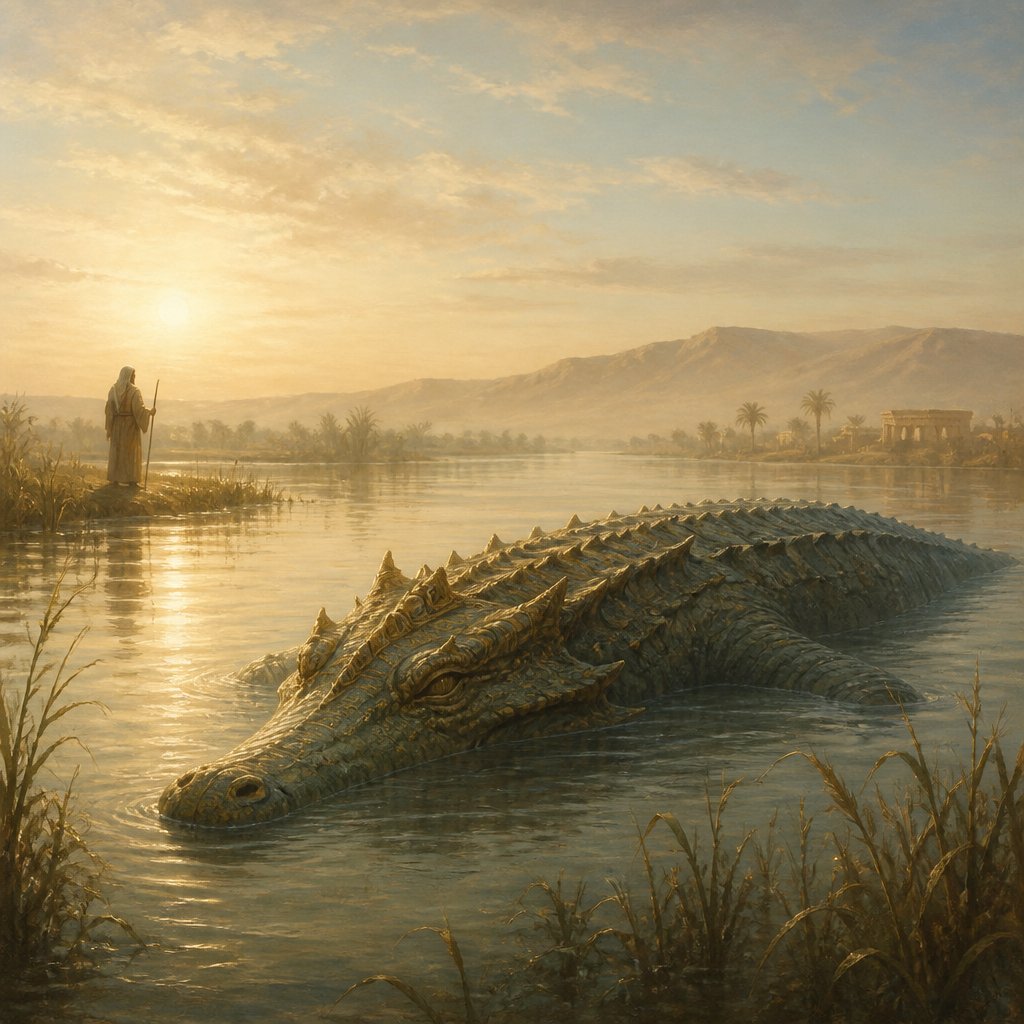
The verse Ezekiel 29:3, "Speak, and say, Thus saith the Lord GOD; Behold, I am against thee, Pharaoh king of Egypt, the great dragon that lieth in the midst of his rivers, which hath said, My river is mine own, and I have made it for myself," sets a powerful stage for reflection on sovereignty, pride, and accountability before God. In this passage, God confronts Pharaoh, the king of Egypt, who embodies not only political might but also spiritual delusion. It serves as both a stark warning and a deep reminder to us today about where we place our trust and confidence.
As we dive into the context, it's crucial to understand the significance of both Egypt and Pharaoh in biblical literature. Egypt represented not merely a geographical location but also a symbol of oppression and idolatry. Pharaoh as a figure claimed ultimate power and control over his empire, personified by the Nile River, which was seen as a source of life and sustenance. In his arrogance, Pharaoh declares ownership over the river, asserting, "My river is mine own, and I have made it for myself." Here lies the heart of the issue—Pharaoh's pride leads him to believe he is the architect of his own success, distancing himself from the true Creator who provides all things.
God responds dramatically by declaring, "I am against thee, Pharaoh." This is not merely an indictment of Pharaoh's governance but a divine proclamation against misplaced authority and self-sufficiency. It is a strong reminder that no matter how powerful humans appear to be, they are ultimately under the authority of the Almighty. It prompts us to examine the aspects of our own lives where we may have claimed ownership or control, failing to recognize God’s sovereignty over our possessions, endeavors, and even our very lives.
In our contemporary culture, we often mirror these sentiments expressed by Pharaoh. We get caught up in the pursuit of self-sufficiency, believing that our accomplishments are solely our own doing. Whether in our careers, family lives, or spiritual journeys, it is easy to slip into a mindset where we exalt our own efforts over divine provision. When we say, "I have made it for myself," we echo Pharaoh's pride and rebellion against God’s authority. What we might not realize is that God has a vested interest in our lives; He desires to be the one we depend on, yet He stands against us when we assume we are in control.
This verse also evokes themes of idolatry. Every time we glorify our achievements or resources above God, we create a form of idolatry. It challenges our perceptions about where our identity and worth come from. Are we building our lives upon the firm foundation of God, or are we leaning on our understanding and capacities, which are fickle and fleeting? In recognizing God as the true source of our strength, we can dismantle the idols constructed from our pride and surrender our claims of ownership back to Him.
The powerful imagery of the "great dragon" is significant too. It represents a system of tyranny and ego that feeds on its environment, threatening to consume what should be life-giving. Just as the Nile nourished Egypt, the pride of Pharaoh was draining the land of its spiritual vitality. Similarly, we must be vigilant against the dragons in our own lives; be it pride, greed, or ambition that seeks to consume us. In acknowledging that God is against such dragons, we must then choose to submit to His authority and trust in His provision.
In conclusion, Ezekiel 29:3 urges us to confront our own hearts and realign our understanding of who really rules our lives. The lesson from Pharaoh teaches us the importance of humility in acknowledging that everything we have, including our time, talents, and resources, ultimately belong to God. Let us resist the temptation to cling to our personal rivers, and instead, surrender them to the Lord, recognizing that true life flows from Him alone.
Get our apps


Artwork for Ezekiel 29:3
Ezekiel 29:3 - "Speak, and say, Thus saith the Lord GOD; Behold, I am against thee, Pharaoh king of Egypt, the great dragon that lieth in the midst of his rivers, which hath said, My river is mine own, and I have made it for myself."
"Speak, and say, Thus saith the Lord GOD; Behold, I am against thee, Pharaoh king of Egypt, the great dragon that lieth in the midst of his rivers, which hath said, My river is mine own, and I have made it for myself." - Ezekiel 29:3

Genesis 29-3

Ezekiel 29:1 - "In the tenth year, in the tenth month, in the twelfth day of the month, the word of the LORD came unto me, saying,"

Ezekiel 44:29 - "They shall eat the meat offering, and the sin offering, and the trespass offering; and every dedicated thing in Israel shall be their's."

Ezekiel 48:29 - "This is the land which ye shall divide by lot unto the tribes of Israel for inheritance, and these are their portions, saith the Lord GOD."

Ezekiel 29:14 - "And I will bring again the captivity of Egypt, and will cause them to return into the land of Pathros, into the land of their habitation; and they shall be there a base kingdom."

Ezekiel 16:29 - "Thou hast moreover multiplied thy fornication in the land of Canaan unto Chaldea; and yet thou wast not satisfied herewith."

Ezekiel 29:6 - "And all the inhabitants of Egypt shall know that I am the LORD, because they have been a staff of reed to the house of Israel."
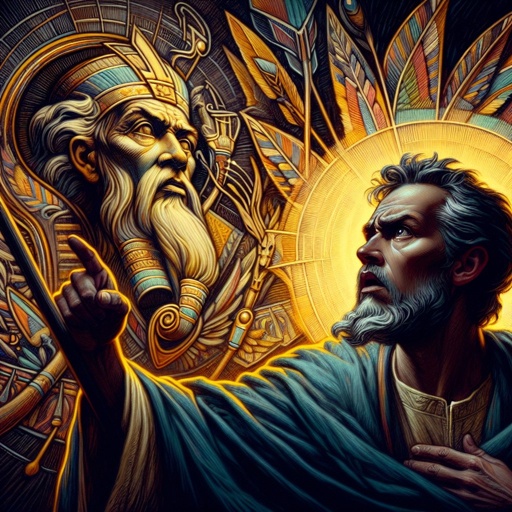
Ezekiel 29:2 - "Son of man, set thy face against Pharaoh king of Egypt, and prophesy against him, and against all Egypt:"

ezekiel 8:3

Ezekiel 3:17
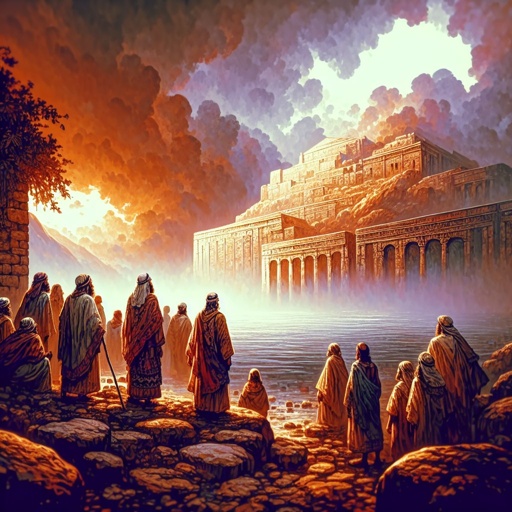
Ezekiel 20:29 - "Then I said unto them, What is the high place whereunto ye go? And the name thereof is called Bamah unto this day."

Ezekiel 29:17 - "¶ And it came to pass in the seven and twentieth year, in the first month, in the first day of the month, the word of the LORD came unto me, saying,"
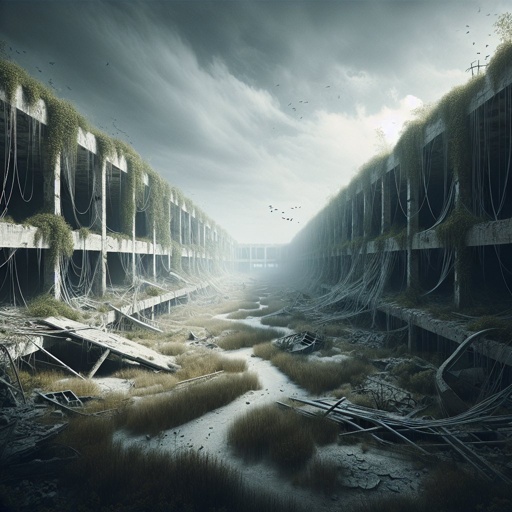
Ezekiel 29:11 - "No foot of man shall pass through it, nor foot of beast shall pass through it, neither shall it be inhabited forty years."

Ezekiel 36:29 - "I will also save you from all your uncleannesses: and I will call for the corn, and will increase it, and lay no famine upon you."

Ezekiel 27:29 - "And all that handle the oar, the mariners, and all the pilots of the sea, shall come down from their ships, they shall stand upon the land;"

Ezekiel 29:13 - "¶ Yet thus saith the Lord GOD; At the end of forty years will I gather the Egyptians from the people whither they were scattered:"

Ezekiel 18:29 - "Yet saith the house of Israel, The way of the Lord is not equal. O house of Israel, are not my ways equal? are not your ways unequal?"

Ezekiel 22:29 - "The people of the land have used oppression, and exercised robbery, and have vexed the poor and needy: yea, they have oppressed the stranger wrongfully."

Ezekiel 34:29 - "And I will raise up for them a plant of renown, and they shall be no more consumed with hunger in the land, neither bear the shame of the heathen any more."

Ezekiel 34:3–4
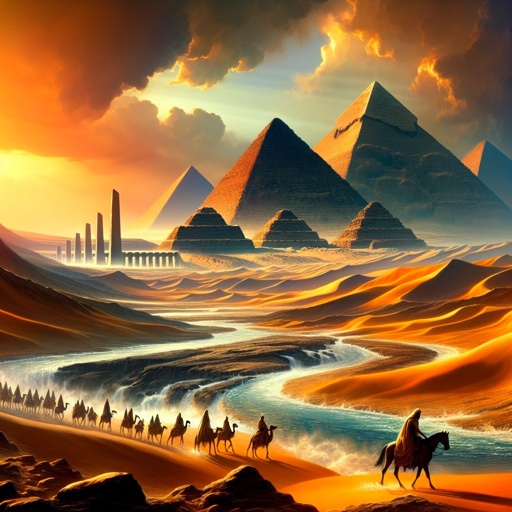
Ezekiel 29:20 - "I have given him the land of Egypt for his labour wherewith he served against it, because they wrought for me, saith the Lord GOD."

Ezekiel 33:29 - "Then shall they know that I am the LORD, when I have laid the land most desolate because of all their abominations which they have committed."

Ezekiel 38:1-3

Ezekiel 4:1-3

Ezekiel 33:3-9

Lamentations 3:29 - "He putteth his mouth in the dust; if so be there may be hope."

Deuteronomy 3:29 - "So we abode in the valley over against Beth-peor."

Galatians 3:29 - "And if ye be Christ's, then are ye Abraham's seed, and heirs according to the promise."