Faithful Remnants: The Legacy of Ezra’s Restoration
“And of the sons of Pahath-moab; Adna, and Chelal, Benaiah, Maaseiah, Mattaniah, Bezaleel, and Binnui, and Manasseh.” — Ezra 10:30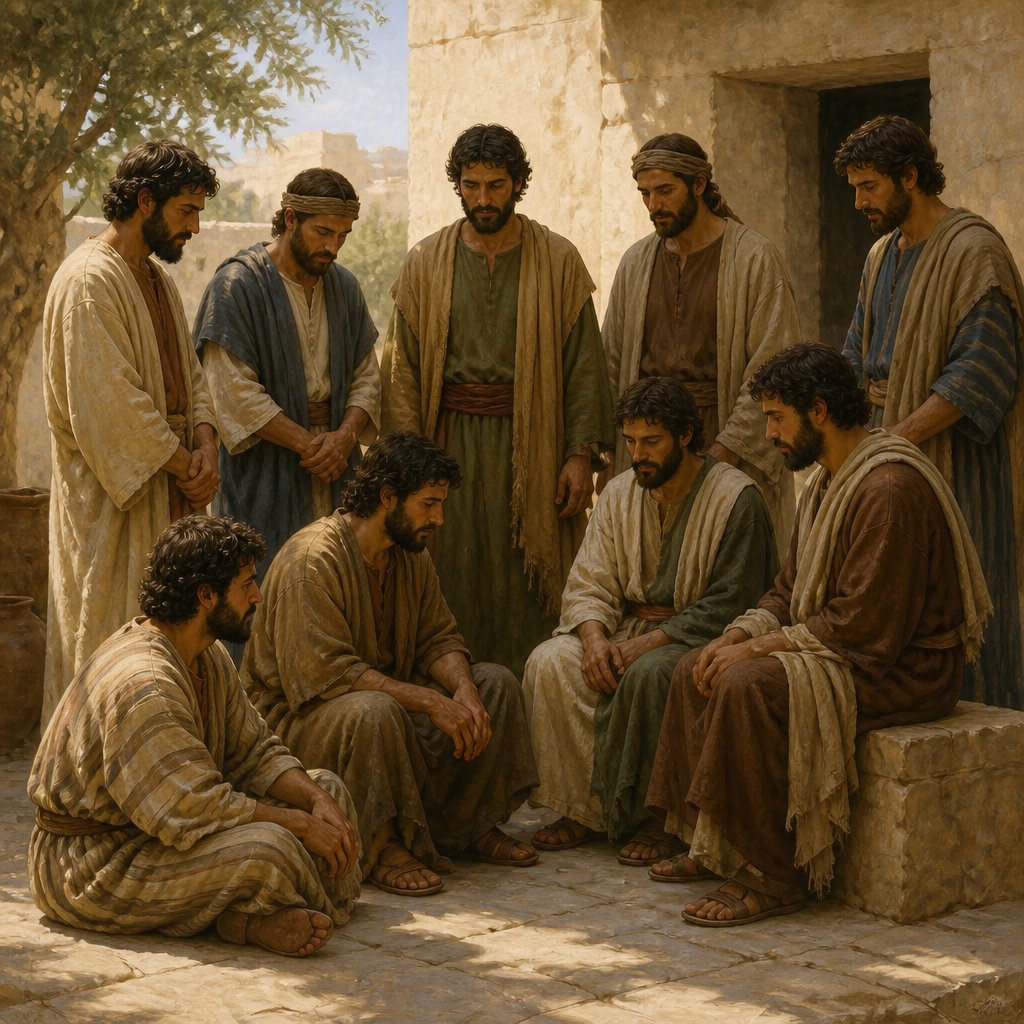
The Bible is filled with accounts that not only recount historical events but also serves as profound lessons about faith, obedience, and identity. Ezra 10:30, although it may come across as a mere list of names—"And of the sons of Pahath-moab; Adna, and Chelal, Benaiah, Maaseiah, Mattaniah, Bezaleel, and Binnui, and Manasseh"—invites us to consider the deeper significance of God's restoration of His people.
At first glance, one might be tempted to overlook this verse as it lists the sons of a specific clan returning from exile. However, it is essential to understand the context in which these names emerge. Ezra, a scribe skilled in the Law of Moses, led a group of Israelites back to Jerusalem after the Babylonian exile. God’s people were returning to a land that had been devastated, to a temple that lay in ruins, and to lives that had been disrupted. Through Ezra and his leadership, this restoration was not solely about physical structures but a profound return to covenant faithfulness.
In the face of this reality, the names listed reflect more than individual identities; they represent a faithful community of believers who chose to reclaim their relationship with God. Each son mentioned in Ezra 10:30 echoes the names of those who stood with Ezra in making important decisions about their lives and nation.
The act of naming these individuals is significant, illustrating that restoration always involves community. In a world fixated on individualism, this reminds us that our spiritual journeys are deeply intertwined with one another. The resurgence of faith often requires collective action and commitment. In participating in the communal act of repentance and restoration, these men exemplified what it meant to be part of God’s chosen people. They made a stand in a time that demanded it, choosing holiness over familiar comforts.
Moreover, looking deeper into the meaning of these names can provide rich insights. For instance, 'Adna' means 'delight', suggesting that our return to God should be a journey filled with joy. 'Benaiah', meaning 'Yahweh has built', serves as a reminder that God is the architect of restoration, and we are merely the vessels through which He works. This serves to encourage believers that our attempts to rebuild areas of our lives after spiritual desolation are always supported by God’s divine assistance.
The narrative of Ezra also highlights the importance of accountability. Ezra was not merely concerned with the physical reinstitution of the temple but was profoundly invested in the spiritual integrity of the community. He called out the intermarriage that had occurred with the peoples around them, pressing for purity amongst God’s people. This raises an essential question for us: Are we willing to hold ourselves and each other accountable in our walk with God?
Just as the sons of Pahath-moab stood in the gap during their restoration, believers today are equally called to uphold the integrity of the faith. This involves being aware of how our lives mirror our beliefs and making the necessary changes to align our actions with the standards set forth in Scripture. It can be a challenging process, filled with the fear of losing relationships or standing out among peers. Still, it is through such courage that the church will shine brighter amidst a fading morality.
In conclusion, Ezra 10:30 serves not merely as a genealogical note but as a profound testimony for contemporary believers. Just as Ezra's followers stood together in faithfulness and accountability, we are encouraged to seek community restoration while leaning on God's everlasting promise to be with us. May we be audacious and dedicated in our call to provide spiritual leadership, hold one another accountable, and celebrate the redemptive work of Christ in our lives and communities.
Today, consider how you might be a faithful remnant in your own community, upholding the truths of God’s word, enabling an environment of restoration, and living lives that reflect the delight of knowing our Lord.
Get our apps


Artwork for Ezra 10:30

Ezra 10:30 - "And of the sons of Pahath-moab; Adna, and Chelal, Benaiah, Maaseiah, Mattaniah, Bezaleel, and Binnui, and Manasseh."
"And of the sons of Pahath-moab; Adna, and Chelal, Benaiah, Maaseiah, Mattaniah, Bezaleel, and Binnui, and Manasseh." - Ezra 10:30

Ezra 2:30 - "The children of Magbish, an hundred fifty and six."

Ezra 10:10-12

Ezra 10:10 - "And Ezra the priest stood up, and said unto them, Ye have transgressed, and have taken strange wives, to increase the trespass of Israel."

Ezra 10:3

Ezra 3:10

Ezra 10:3
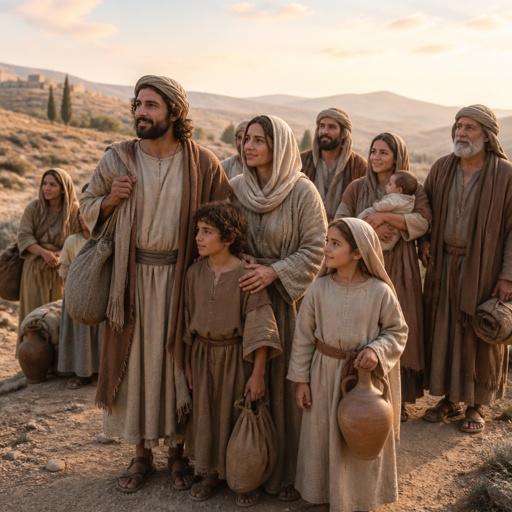
"The children of Magbish, an hundred fifty and six." - Ezra 2:30

Ezra 10:5 - "Then arose Ezra, and made the chief priests, the Levites, and all Israel, to swear that they should do according to this word. And they sware."

Ezra 7:10 - "For Ezra had prepared his heart to seek the law of the LORD, and to do it, and to teach in Israel statutes and judgments."

Ezra 10:38 - "And Bani, and Binnui, Shimei,"

Ezra 10:37 - "Mattaniah, Mattenai, and Jaasau,"

Ezra 10:40 - "Machnadebai, Shashai, Sharai,"

Ezra 10:32 - "Benjamin, Malluch, and Shemariah."

Ezra 10:36 - "Vaniah, Meremoth, Eliashib,"

Ezra 10:35 - "Benaiah, Bedeiah, Chelluh,"

Ezra 10:42 - "Shallum, Amariah, and Joseph."

Ezra 10:41 - "Azareel, and Shelemiah, Shemariah,"

Ezra 10:39 - "And Shelemiah, and Nathan, and Adaiah,"

Ezra 10:20 - "And of the sons of Immer; Hanani, and Zebadiah."

Ezra 10:34 - "Of the sons of Bani; Maadai, Amram, and Uel,"

Ezra 8:30 - "So took the priests and the Levites the weight of the silver, and the gold, and the vessels, to bring them to Jerusalem unto the house of our God."

Ezra 2:10 - "The children of Bani, six hundred forty and two."

Ezra 10:21 - "And of the sons of Harim; Maaseiah, and Elijah, and Shemaiah, and Jehiel, and Uzziah."

Ezra 10:24 - "Of the singers also; Eliashib: and of the porters; Shallum, and Telem, and Uri."

Ezra 10:28 - "Of the sons also of Bebai; Jehohanan, Hananiah, Zabbai, and Athlai."

Ezra 10:31 - "And of the sons of Harim; Eliezer, Ishijah, Malchiah, Shemaiah, Shimeon,"

"Azareel, and Shelemiah, Shemariah," - Ezra 10:41

"And Bani, and Binnui, Shimei," - Ezra 10:38