The Call to Commitment: Embracing Covenant Community
“And that whosoever would not come within three days, according to the counsel of the princes and the elders, all his substance should be forfeited, and himself separated from the congregation of those that had been carried away.” — Ezra 10:8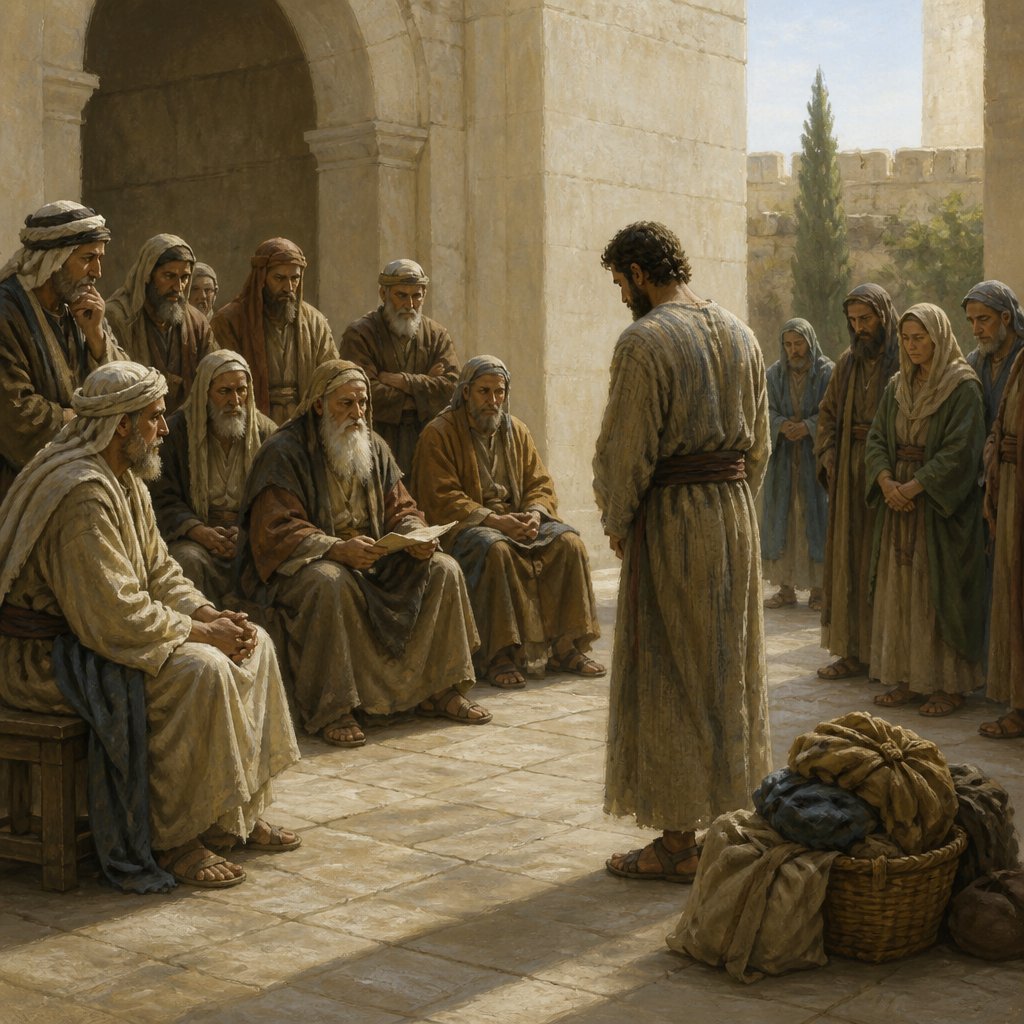
In the unfolding narrative of Ezra, we find ourselves at a significant juncture in the life of the exiles returning from Babylon. Ezra 10:8 presents a stern ultimatum: “And that whosoever would not come within three days, according to the counsel of the princes and the elders, all his substance should be forfeited, and himself separated from the congregation of those that had been carried away.”
This verse succinctly encapsulates a critical moment of decision-making and personal commitment that echoes through the corridors of faith both ancient and modern. At this pivotal moment, Ezra and the leaders recognize that the restoration of their community hinges upon the faithfulness of its members to adhere to God’s covenant. This leads us into a deeper exploration of the themes of obedience, community, and the cost of discipleship.
**The Importance of Community**
The Israelites had experienced the consequences of disobedience and separation from God’s favor. As they gathered to restore their lives in accordance with their covenant, they were reminded that their individual actions profoundly affected the larger community. Isolation from the assembly was not just about being physically distanced; it signified a spiritual estrangement that jeopardized the entire covenant relationship they had with God. In Ezra’s time, the call to assemble was not merely a suggestion; it was an imperative that underscored the need for unity, accountability, and collective worship.
As we reflect on this verse, we should ask ourselves: What does it mean for us to be part of a covenant community? It is easy to drift into a personal faith that neglects the importance of collective worship and communal accountability. Yet, God calls us into fellowship with one another, creating a tapestry of faith where each thread supports and strengthens the other. The separation mentioned in Ezra 10:8 serves as a reminder that when we choose to disengage from our church community, we not only forfeit our shared blessings but may potentially endanger the well-being of the collective body.
**The Cost of Disobedience**
Ezra’s decree was decisive: refusal to participate meant loss, both materially and spiritually. The cost of disobedience could lead to substance forfeiture, a loss that was both tangible and intangible. In our contemporary context, we may not face physical separation from a congregation, but disobedience can lead us to spiritual disconnection, emotional distress, and isolation from the blessings of God’s presence in our lives.
Jesus similarly speaks of the cost of following Him, inviting us to consider what we are willing to give for the sake of our commitment to God. In Luke 14:27, He says, "And whosoever doth not bear his cross, and come after me, cannot be my disciple." This call to bear our cross illustrates that commitment demands sacrifice and dedication, mirroring the challenge presented in Ezra's call to action.
**A Call to Action**
The phrase "within three days" brings urgency to the situation. The leaders did not issue this decree lightly; they understood the gravity of the matter at hand. Today, we too face a pressing need for personal action in our faith walks. The Church needs committed individuals who will uphold the teachings of Christ and actively participate in the life of the congregation. Are we prepared to come together, bear the weight of our covenant, and support one another within our faith communities?
As we meditate on Ezra 10:8, let us remember that our commitment to God is a commitment to each other. As members of His body, we are called to stir one another up to love and good works (Hebrews 10:24). May our hearts resonate with the profound truth that our faith necessitates action, and our presence matters in the tapestry of God’s designed community. In embracing our roles with fervor and sincerity, we honor both God and the fellowship He has gifted us.
Get our apps


Artwork for Ezra 10:8

Ezra 10:8 - "And that whosoever would not come within three days, according to the counsel of the princes and the elders, all his substance should be forfeited, and himself separated from the congregation of those that had been carried away."
"And that whosoever would not come within three days, according to the counsel of the princes and the elders, all his substance should be forfeited, and himself separated from the congregation of those that had been carried away." - Ezra 10:8

Ezra 8:10 - "And of the sons of Shelomith; the son of Josiphiah, and with him an hundred and threescore males."
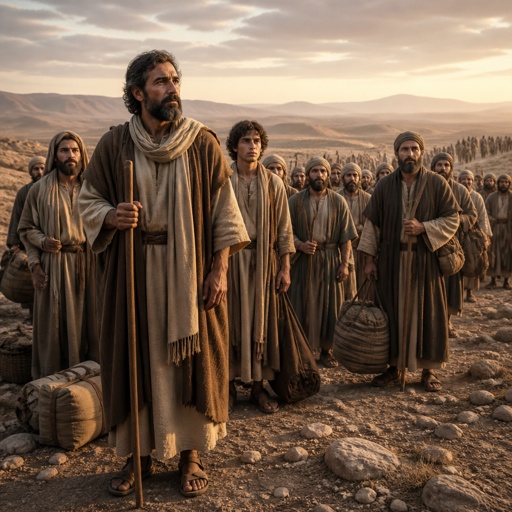
"And of the sons of Shelomith; the son of Josiphiah, and with him an hundred and threescore males." - Ezra 8:10

Ezra 10:10-12

Ezra 10:10 - "And Ezra the priest stood up, and said unto them, Ye have transgressed, and have taken strange wives, to increase the trespass of Israel."

Ezra 10:3

Ezra 3:10

Ezra 8:21

Ezra 10:3

Ezra 10:5 - "Then arose Ezra, and made the chief priests, the Levites, and all Israel, to swear that they should do according to this word. And they sware."

Ezra 8:8 - "And of the sons of Shephatiah; Zebadiah the son of Michael, and with him fourscore males."

Ezra 7:10 - "For Ezra had prepared his heart to seek the law of the LORD, and to do it, and to teach in Israel statutes and judgments."

Ezra 10:38 - "And Bani, and Binnui, Shimei,"

Ezra 10:37 - "Mattaniah, Mattenai, and Jaasau,"

Ezra 10:40 - "Machnadebai, Shashai, Sharai,"

Ezra 10:32 - "Benjamin, Malluch, and Shemariah."

Ezra 10:35 - "Benaiah, Bedeiah, Chelluh,"

Ezra 10:41 - "Azareel, and Shelemiah, Shemariah,"

Ezra 10:36 - "Vaniah, Meremoth, Eliashib,"

Ezra 10:42 - "Shallum, Amariah, and Joseph."

Ezra 10:39 - "And Shelemiah, and Nathan, and Adaiah,"

Ezra 10:20 - "And of the sons of Immer; Hanani, and Zebadiah."

Ezra 10:34 - "Of the sons of Bani; Maadai, Amram, and Uel,"

Ezra 8:32 - "And we came to Jerusalem, and abode there three days."

Ezra 2:8 - "The children of Zattu, nine hundred forty and five."

Ezra 2:10 - "The children of Bani, six hundred forty and two."

Ezra 10:24 - "Of the singers also; Eliashib: and of the porters; Shallum, and Telem, and Uri."

Ezra 10:21 - "And of the sons of Harim; Maaseiah, and Elijah, and Shemaiah, and Jehiel, and Uzziah."

Ezra 10:31 - "And of the sons of Harim; Eliezer, Ishijah, Malchiah, Shemaiah, Shimeon,"